
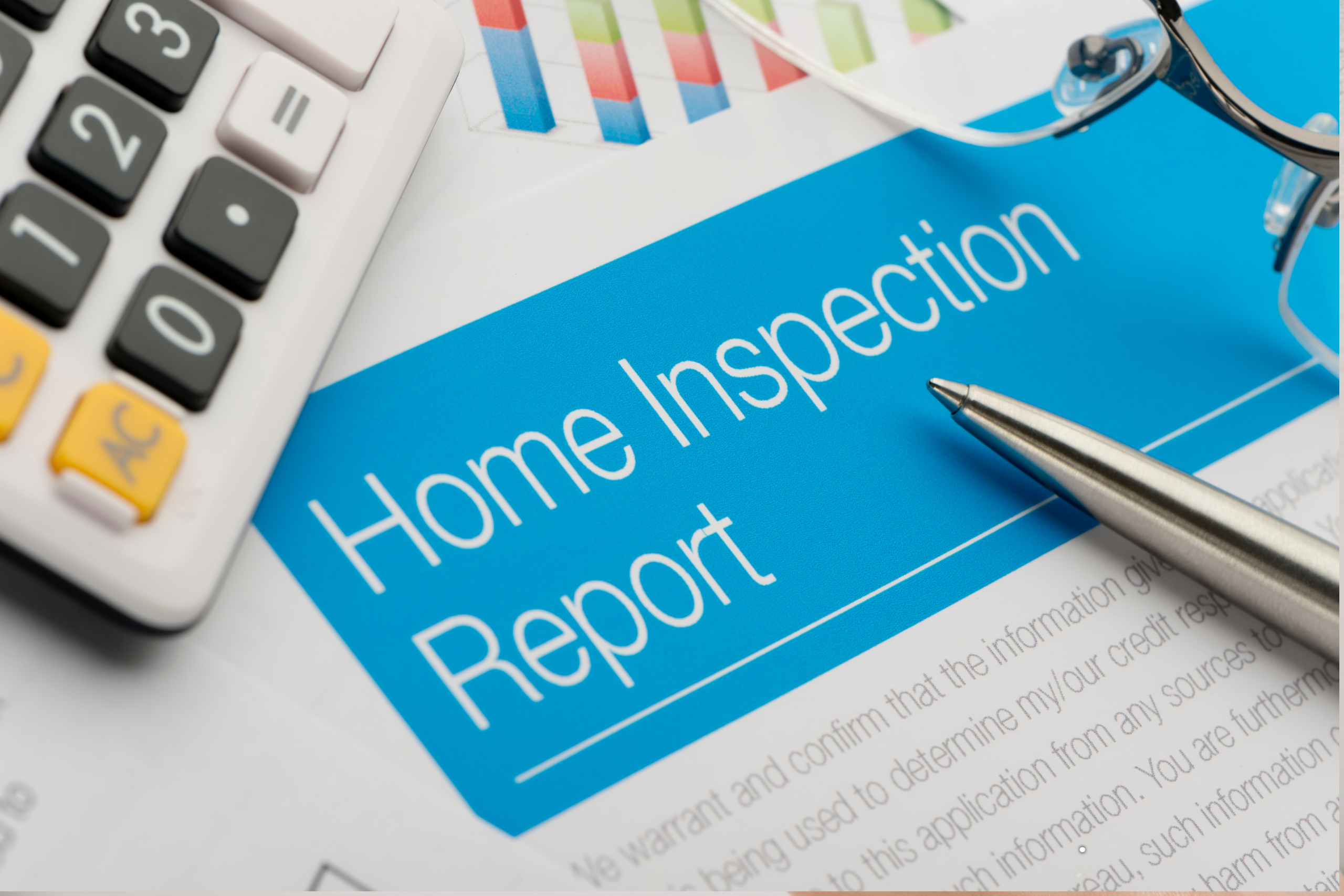
Provided by Bent Nail Inspections
What Qualifications Should I Look for When Choosing a Home Inspector?
Buying or selling a home is a significant decision, and choosing the right home inspector is essential to ensure a smooth and informed process. But with many inspectors to choose from, how do you know you’re making the best choice? This guide outlines the key qualifications for selecting a home inspector, helping you secure the expertise needed for a comprehensive inspection.
Licensing and Certification
The first and arguably most important qualification to verify is whether the home inspector is licensed. While not all states mandate home inspector licenses, hiring a licensed professional is crucial for those that do. A licensed inspector has met the state’s specific requirements, including completing formal training and passing a rigorous exam.

In addition to licensing, certifications from well-known organizations can distinguish an outstanding home inspector. Some certifications to look for include:
- International Association of Certified Home Inspectors (InterNACHI)
- American Society of Home Inspectors (ASHI)
- National Institute of Building Inspectors (NIBI)
These organizations require ongoing education, adherence to industry standards, and a commitment to ethical conduct. By choosing a certified inspector, you ensure they stay current with industry practices and techniques.
Experience Matters
While licensing and certifications provide a solid foundation, experience is invaluable. An inspector with several years in the field has likely encountered many issues and is better equipped to identify subtle or hidden defects. When interviewing potential inspectors, ask questions such as:
- How many years have they been inspecting homes?
- How many home inspections have they conducted?
An experienced inspector offers more comprehensive reports, spotting problems that someone with less field experience may overlook. This experience can also translate into practical advice to save you money.
Specialized Training
Not all homes are the same, and depending on your property’s unique characteristics, you may require an inspector with specialized expertise. For example, consider inspectors trained in:
- Radon testing
- Mold inspections
- Pest inspections
- Energy efficiency evaluations
Choosing an inspector with expertise relevant to your property ensures a more thorough and accurate assessment, particularly if the home has specific risk factors that need closer attention.
Insurance Coverage
Professional liability insurance, or Errors and Omissions (E&O) insurance, is a critical safeguard when hiring a home inspector. This insurance protects you in case the inspector misses a significant issue during the inspection. Always ask about the inspector’s insurance coverage and verify that it’s current and adequate for the job.
Attention to Detail
A qualified home inspector leaves no stone unturned. They should thoroughly assess the home’s major systems, structure, and components, including:
- Foundation
- Roof
- Plumbing
- Electrical systems
- HVAC systems
A rushed inspection may overlook important issues, while a well-conducted inspection typically takes between 2 to 4 hours, depending on the size and complexity of the home. Ensure the inspector you hire will take the necessary time to do the job right.

Have You Considered a Home Warranty for Your Rental Property?
Essentially this is insurance for your appliances, HVAC, as well as for pools, septic’s, and more. Home warranties can help landlords with:
- Budget management: Landlords can avoid unexpected repair costs and make budgeting easier.
- Quality and longevity: Licensed professionals perform repairs, which can help maintain the quality and longevity of the property.
- Tenant satisfaction: Tenants can be confident that issues will be addressed promptly and professionally, which can contribute to a positive landlord-tenant relationship.
Never Pay for Covered Home Repairs Again. Choice Home Warranty is the most comprehensive, flexible, and value-priced on the market.
Clear and Comprehensive Reports
One of the most critical deliverables of a home inspection is the report. Make sure your inspector provides a clear, well-organized, and easy-to-understand report. The best reports include:
- Photographs highlighting issues
- Summaries of the home’s overall condition
- Descriptions of potential future problems
- Recommendations for repairs or maintenance
Additionally, ask if the inspector provides digital reports and whether they can answer any follow-up questions after the inspection is complete.
Positive Reviews and References
A track record of satisfied clients is another good indicator of a qualified home inspector. Check online reviews and testimonials to gauge the inspector’s reliability and professionalism. Look for consistent praise in areas such as:
- Punctuality
- Thoroughness
- Communication skills
- Willingness to answer questions
Choosing the right home inspector is vital for protecting investment and gaining peace of mind. Ensure they are licensed, certified, experienced, and have adequate insurance. Don’t hesitate to ask questions and verify their qualifications through reviews and references. A good home inspector will provide a detailed report and offer clear explanations, empowering you to make well-informed decisions about the property.
Your home deserves the best inspection. At Bent Nail Inspections, we pride ourselves on being certified and experienced professionals committed to providing thorough inspections and detailed reports. Let us help you safeguard your investment and make the best decisions for your property. Schedule your inspection today!
FAQs about Home Inspector Qualifications
Q: Should I hire an inspector who specializes in older homes?
A: Yes, if you’re purchasing an older home, hiring an inspector with experience in older properties can help you spot age-related issues like foundation settling, outdated electrical systems, or plumbing concerns.
Q: What happens if my home inspector misses something?
A: This is why hiring an inspector with liability insurance is crucial. Their Errors and Omissions (E&O) insurance can protect you if something critical is missed.
Q: How many certifications should a home inspector have?
A: While one certification from a reputable organization is often sufficient, additional certifications in specialized areas can provide extra assurance of their expertise.

Did you enjoy this article?
This is an example of what is included on our FREE weekly newsletter, Landlord Weekly.
Subscribers get access to our free forms, email templates, and guides! As well as…
▪️Landlord Tips ▪️ Early Access to Our Blogs ▪️ Landlord Specific Articles by Other Industry Pro’s ▪️ Podcast Links
To check out a sample of our newsletter, click one of the links below👇

Provided by Bigger Pockets
After reaching an all-time high in 2007, single-family home prices collapsed 27.4% until hitting a low in 2012. Since then, the Case-Shiller U.S. National Home Price Index has exploded by 141.23%.
Don’t you wish you had a time machine and could buy a home at 2012 prices?
You don’t, and you can’t, of course. But you can invest in another type of real estate that’s coming off a similar collapse in prices.
Multifamily apartment building prices have fallen by 23.5% since reaching a peak in July 2022, according to CoStar. The Freddie Mac Multifamily Apartment Investment Market Index (AIMI) fell 28.1% before bottoming out and starting to rise again.
And you don’t need millions of dollars to invest in multifamily properties. You can invest fractionally with $5,000 and enjoy all the cash flow, appreciation, and tax benefits of ownership.
Why Multifamily Looks Like It’s Bottomed Out
First, take a moment to remember the narrative around real estate in 2011-2012. The mood was bleak—all you read were doom-and-gloom headlines, and the narrative was all negative. In other words, there was “blood in the streets.”
Today, you are in the same mood in multifamily real estate. Investors are running scared after three years of capital calls and distressed sales.
Every investor knows the famous Warren Buffett’s advice to “be fearful when others are greedy, and greedy when others are fearful.” But the mood among investors is far from the only reason to consider multifamily right now.
Dropping construction starts
What drives market prices? Supply and demand—and multifamily housing supply rose sharply between 2021-2025.
But after peaking at 614,000 in late 2022, multifamily unit housing starts have dropped to 370,000 as of February. You can thank the “blood in the streets” for that.
In 2024 alone, new multifamily construction starts fell by 25%.
So yes, the U.S. saw a lot of housing construction post-pandemic. But that surge in new construction has passed and crashed, while the country remains in a housing shortage.
Continued housing shortage
Rising rents
A 2024 report by Zillow estimated that the U.S. is still short 4.5 million housing units. Most markets don’t have to worry about an oversupply of housing. Quite the opposite.
Multifamily prices are calculated based on rental income. And rents keep rising faster than inflation. In fact, rents are one of the primary drivers of inflation. As of February, rents nationwide are up 4.2% year over year.
Rising prices
After hitting a low in 2024, multifamily prices have started rising again.
The Commercial Property Price Index (CPPI) index, calculated by MSCI Real Capital Analytics, shows multifamily properties hitting a low in February 2024, leveling out over the next few months, and rising since.
The CPPI also shows multifamily prices far below their long-term trend line:

That means they have some serious catching up to do, marking now as the perfect time to buy into the market.
Multifamily cap rates are starting to compress again
After seeing how low they could go in 2021, multifamily cap rates expanded sharply from 2022-2023. But in 2024, they stabilized, and in the second half of the year started shrinking again, according to the CBRE’s 2024 Cap Rate Survey.
As a refresher, cap rates are the other part of the price equation for commercial real estate. You divide a property’s net operating income (NOI) by the cap rate to come up with the value.
Lower cap rates mean higher prices. So, one of the drivers of rising multifamily prices is cap rates turning around and compressing again.
How to Invest in Multifamily Without Betting the Farm
I get it: There’s a lot of uncertainty in all financial markets right now, real estate included. The Trump tariffs and trade wars, as well as recession uncertainty, all make for fearful investors. So, how can you invest in multifamily while keeping your risk in check?
Invest small amounts
If you invest in a multifamily syndication yourself, it typically requires a minimum investment of $50,000 to $100,000. I don’t like that. So, I go into these investments with other people through a co-investing club.
It’s how I practice dollar-cost averaging with my real estate investments, steadily investing $5,000 each month.
Protect against recession risk
Some investments are recession-resilient, continuing to thrive even during downturns.
For example, I’ve invested in mobile home parks with tenant-owned homes. If a renter has to choose between paying a $500 lot rent and paying $6,500 to move their mobile home, which do you think they’ll pay?
Likewise, I’ve invested in multifamily properties that get a property tax abatement for setting aside 50% of their units for affordable housing. Those units have a waiting list—imagine how much more the demand would rise in a recession.

Need a Lease Agreement?
A FREE account gets you access to over 200 free forms. Upgrade to a paid account (monthly, annually, or lifetime)
EZLandlord Forms Is Offering 15% 𝙊𝙛𝙛 For New Customers!
We cannot recommend these guys enough!
👉 State Specific Leases 👉 400 Forms to make your landlord-tenant relationship top notch 👉 200 FREE forms for those not ready to purchase 👉 4.8 Rating with over 5000 Reviews 👉 Pro Members get access to ALL leases and forms for $12 per month OR $75 if you purchase the annual membership 👉 YOU CAN BUY LIFETIME FORMS for $399
USE CODE 𝐒𝐓𝐀𝐂𝐈𝐄𝟏𝟓 to get 15% OFF ALL first-time purchases, EVEN THE LIFETIME FORMS!
Here are other recession-resilient real estate investments for more examples.
Don’t count on compressing cap rates
The trend line looks positive for cap rates compressing again. But I’m still not counting on that for the success of my investments.
In my club, we generally like to see strong cash flow in the multifamily investments we vet. We like collecting distributions, like properties that don’t rely on price improvements for returns.
With strong cash flow, the operator (and you) can sit back and hold the property long term, waiting out rough patches—all while collecting plenty of rental income.
Diversify with other property types
Yes, it looks like a great time to buy multifamily properties. But you should look to diversify your portfolio. That includes taking a look at industrial properties, mobile home parks, raw land, hotels, and vacation rentals.
I don’t have a crystal ball, so I can’t predict the next hot asset class. And I don’t have to because I invest in so many different types of properties.
Diversify across states
I have cash tied up in over 30 properties across 13 states and counting.
Again, no one knows where the next “hot” market will be. Who cares? Spread your money across many geographical markets, and you’ll catch some of the hot ones.
Diversify across other passive investments
Syndications are just one type of passive real estate investment but aren’t the only option. You can also invest in private partnerships, private notes, secured debt funds, and real estate equity funds. That also helps you invest for different timelines, including some investments as short as nine months.
Final Thoughts
Multifamily properties experienced a bear market from 2022-2024, along with the losses and fear that come with them.
The bottom of a bear market doesn’t look and feel optimistic yet. The press and mood remain mostly negative at the bottom before it becomes obvious to everyone a new bull market is starting. That’s precisely the time to buy in.
As someone who invests steadily every month, I don’t advocate trying to time the market. But as far as I can tell, most market metrics are signaling the bottom of the bear market and the beginning of a new bull market in multifamily.
It doesn’t feel like the giant party that it was in 2021. And that’s precisely what makes it a better time to buy.
Did you enjoy this article?
This is an example of what is included on our FREE weekly newsletter, Landlord Weekly.
Subscribers get access to our free forms, email templates, and guides! As well as…
▪️Landlord Tips ▪️ Early Access to Our Blogs ▪️ Landlord Specific Articles by Other Industry Pro’s ▪️ Podcast Links
To check out a sample of our newsletter, click one of the links below👇