By Bethany Laflam
As a securities attorney who’s reviewed and structured thousands of multifamily real estate deals, I’ve seen what happens when things go sideways, especially when you’re scaling with Other People’s Money (OPM). And while my legal focus is on SEC compliance, I’m also a real estate investor myself. I know firsthand that protecting investor capital isn’t just about legal documents, it’s about operational decisions, too.
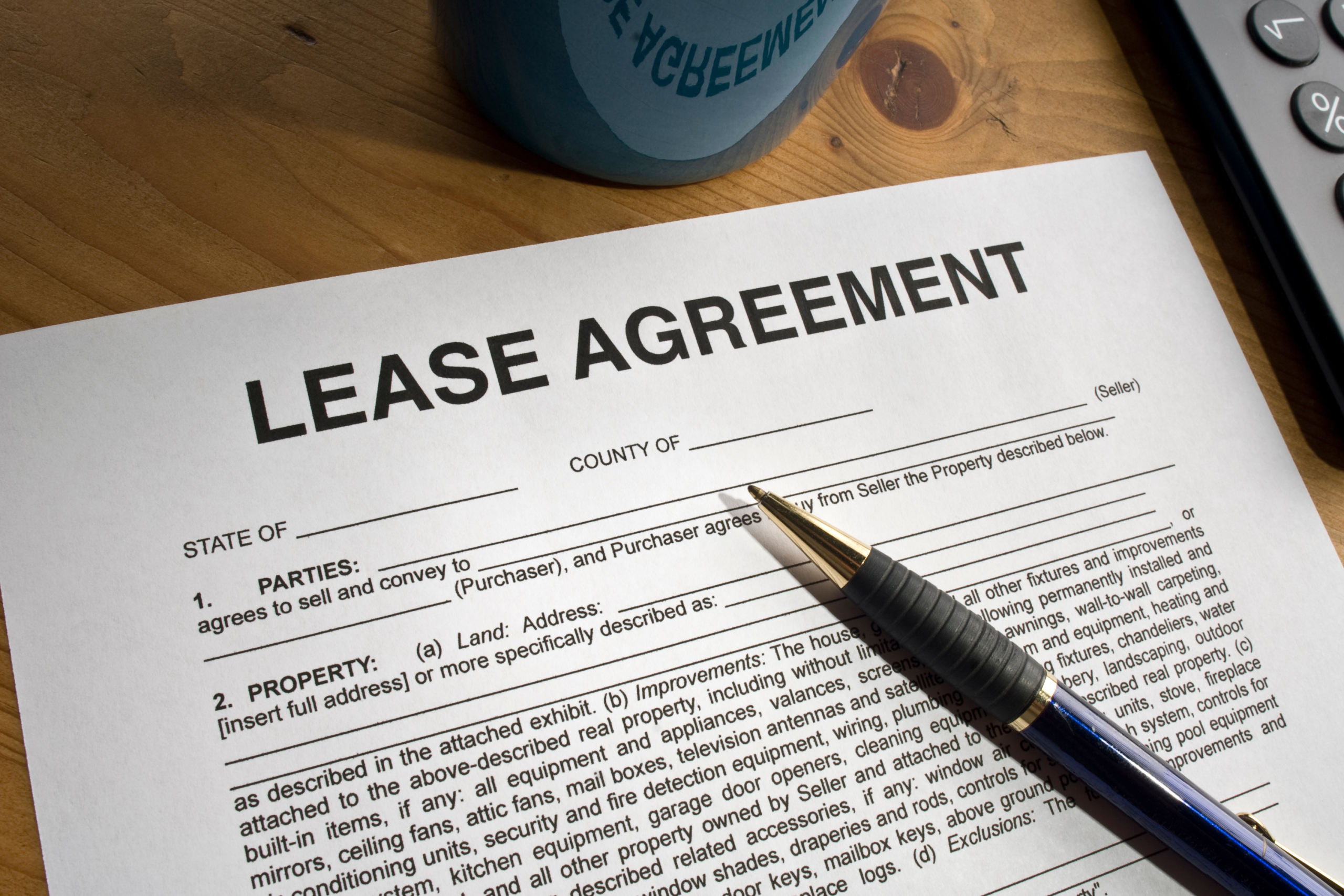
One of the most overlooked areas of legal risk? The lease agreement. A lease is more than a rental formality, it’s your frontline legal defense. And when you’re using OPM, a weak lease isn’t just a landlord mistake. It’s a fiduciary failure.
Here are the top clauses landlords regret not including and why you should care if you’re building wealth on the back of someone else’s capital.
STEP 1
INDEMNIFICATION THAT ACTUALLY WORKS
Vague or generic indemnification clauses might sound official, but they often fall apart in court. If a tenant causes injury or property damage, your lease needs to clearly shift liability away from you and by extension, your investors and partners. I had a client get sued after a tenant hosted an unsanctioned event that resulted in injuries. The lease included standard language, but it wasn’t specific enough. Insurance coverage got messy, and investor trust was shaken. Custom language would have changed the outcome.
STEP 2
CLEAR MOLD, PEST, AND LEAK REPORTING REQUIREMENTS
Mold claims can be brutal and expensive. I’ve seen operators get sued over health issues when tenants failed to report leaks. The problem? The lease didn’t make reporting mandatory. When you’re using OPM, delayed response = potential negligence. Your lease must require tenants to notify management in writing of leaks, pests, or visible mold immediately. It’s a simple line that can save you six figures in legal fees and remediation costs.
STEP 3
A HARD “NO” ON SHORT-TERM RENTALS
Unauthorized Airbnb use is more common than most operators realize—and more dangerous.
From party damage to city code violations, the ripple effects can threaten your property, your
projections, and your credibility. If your lease doesn’t explicitly ban short-term rentals or subleasing without written approval, you are vulnerable. And when OPM is in play, reputational risk can hit just as hard as financial risk.

Need a Lease Agreement?
A FREE account gets you access to over 200 free forms. Upgrade to a paid account (monthly, annually, or lifetime)
EZLandlord Forms Is Offering 15% 𝙊𝙛𝙛 For New Customers!
We cannot recommend these guys enough!
👉 State Specific Leases 👉 400 Forms to make your landlord-tenant relationship top notch 👉 200 FREE forms for those not ready to purchase 👉 4.8 Rating with over 5000 Reviews 👉 Pro Members get access to ALL leases and forms for $12 per month OR $75 if you purchase the annual membership 👉 YOU CAN BUY LIFETIME FORMS for $399 USE CODE 𝐒𝐓𝐀𝐂𝐈𝐄𝟏𝟓 to get 15% OFF ALL first-time purchases, EVEN THE LIFETIME FORMS!
STEP 4
ATTORNEY’S FEES AND COLLECTION COSTS
Winning a legal dispute is great unless you’re stuck paying the bill. Your lease should clearly
state that you can recover attorney’s fees and costs if the tenant violates the agreement.
I’ve seen clients spend thousands on eviction and still take a financial hit because their lease did not include this provision. When investor returns are involved, that kind of loss matters.
STEP 5
EARLY TERMINATION CLAUSES AND LIQUIDATED DAMAGES
Unexpected vacancies can wreck projections, especially during key periods like refinancing or
sale prep. Without a clause that outlines penalties or fees for breaking a lease early, you’re at the mercy of the market. One client’s cash flow cratered after a tenant exited unexpectedly. No liquidated damages clause meant no recourse—just another reason for capital partners to get nervous.
IF YOU’RE USING OTHER PEOPLE’S MONEY (OPM), THE STAKES ARE HIGHER
When you’re raising capital from others, whether formally through a syndication or informally through a JV, you take on more than just financial responsibility. You take on legal and ethical responsibility to protect that money. That means your lease isn’t just a management tool. It’s a risk mitigation strategy. It affects cash flow, liability, investor trust, and your ability to deliver. And even if you outsource property management, you are still accountable. Passive investors should care, too. Don’t assume your sponsor or operator has it handled. Ask to see the lease template. Ask who wrote it. Ask what protections are built in. Because when things go wrong, legal documents are the first line of defense—and the first thing everyone reviews in hindsight.
FINAL THOUGHT: A $20 CLAUSE CAN PROTECT A $2M DEAL
You’ve gone through the work of raising capital, structuring your deal, and building a business on trust. Don’t let all that crumble because of a vague clause in a lease. Strong leases aren’t exciting, but they’re essential. And when you’re playing with OPM, they’re not optional.

Did you enjoy this article?
This is an example of what is included on our FREE weekly newsletter, Landlord Weekly.
Subscribers get access to our free forms, email templates, and guides! As well as…
▪️Landlord Tips ▪️ Early Access to Our Blogs ▪️ Landlord Specific Articles by Other Industry Pro’s ▪️ Podcast Links
To check out a sample of our newsletter, click one of the links below👇

Provided by Property Manager Insider
In 2025, multifamily condominium communities across the United States are focusing on amenities that keep residents happy and encourage them to renew their leases. Modern condo dwellers – from Gen Z renters to Baby Boomer homeowners – expect more than just a roof over their heads. They seek features that enhance security, convenience, community life, and sustainability. In fact, 75% of tenants prioritize amenities when deciding to rent or renew their lease. Properties that deliver the right amenities can see significantly higher renewal rates – some communities report a 15–20% increase in lease renewals after adding modern amenities. This article explores the top amenity categories driving lease renewals in 2025 condominiums, highlighting emerging trends and noting where different age groups place the most value.
Security Features Enhancing Peace of Mind
One of the most important factors in resident retention is safety – people need to feel secure at home. Condo communities are investing in robust security features that give residents peace of mind. Gated entrances, secure building access, and surveillance cameras are increasingly standard. In many urban condos, controlled access systems and keyless smart locks top the priority list for renters. These technologies let residents use smartphone apps or key fobs to securely enter buildings and their units, and to verify visitors. Good lighting in parking areas and hallways, along with on-site security staff or patrols in larger complexes, also help residents feel safe.
Security features tend to resonate with all age groups. Baby Boomers especially appreciate traditional safety measures like gated entries and on-site security guards, as personal safety is a top concern for many older residents. Younger renters also value security, often preferring tech-enabled solutions like app-based video intercoms or smart doorbells that fit their digital lifestyles. Importantly, residents are often willing to overlook minor issues if they know they “can go home to a safe space each night,” making security a must-have amenity for lease renewals. Communities that invest in safety first see stronger loyalty from tenants.
Smart Home Technology and Automation
Smart home technology has moved from a luxury to an expectation in 2025’s condo market. Renters and owners alike enjoy the convenience of smart thermostats, smart lighting, and app-controlled door locks. These features not only make life easier but can also save energy and bolster security. According to industry research, technology amenities are very popular, ranking in the top tier of renter preferences alongside security features. In practice, this means many condo units now come equipped with programmable or voice-activated thermostats, smart lighting systems, and Wi-Fi enabled appliances that can be monitored remotely.
Younger residents are particularly drawn to tech-enabled living. They’ve “grown up digital,” so they expect seamless connectivity – for example, managed property-wide Wi-Fi, smart entry systems, and mobile apps for everything from rent payments to maintenance requests. A survey of Gen Z renters found they prioritize features like smart locks and thermostats as part of a modern, tech-driven lifestyle. However, older generations appreciate smart home tech as well when it offers clear benefits. Baby Boomers might value smart leak detectors (to prevent water damage) or simple remote controls that make their homes easier to manage. Overall, integrating smart home technology has become a key retention strategy – it adds convenience and “cool factor” to condos without much extra effort for residents. By enhancing the resident experience through technology, condo communities appeal to tech-savvy renters and show they are keeping up with the times.
Community Features and Shared Spaces
Condominium living isn’t just about private units – it’s also about the community spaces and amenities that residents share. In 2025, community and social amenities play a huge role in satisfaction across all demographics. Many residents today want a “live-work-play” environment where they can exercise, socialize, or even work from home without leaving the property. Key community features driving lease renewals include:
- Fitness Centers and Wellness Facilities: An on-site gym or fitness room is often expected. Modern condo gyms offer a range of wellness options – from traditional exercise machines to yoga studios and even virtual fitness classes. These amenities boost retention: properties with fitness centers see a 6–8% higher tenant retention, especially among younger renters who value convenient workouts. In some regions, pools and outdoor fitness areas are considered non-negotiable as well. For example, many Sun Belt communities (e.g. in Florida, Arizona) find that residents insist on having a pool available for relaxation and exercise.
- Outdoor Spaces and Recreation: Access to open outdoor space is increasingly important. Residents want to enjoy fresh air and nature at home. Condos that provide green courtyards, rooftop gardens, walking paths, or barbecue areas make it easier for people to relax or socialize outdoors. In fact, after years of indoor work, many people want to get their taste of fresh air during non-working hours, and well-designed outdoor lounges or patios can make all the difference in resident satisfaction. Private outdoor spaces like balconies or patios attached to units are also highly prized – in California, for instance, renters say private balconies are one of their favorite features. Condominium communities that offer appealing outdoor spaces – from rooftop terraces to peaceful courtyards – give residents an extra reason to stay.
- Coworking Spaces and Business Centers: With remote and hybrid work common in 2025, many condo properties now feature coworking lounges, business centers, or reservable private offices. These facilities let residents work from home effectively by providing quiet workstations, conference rooms, and strong internet connectivity. Such spaces are especially valued in regions with many remote workers – for example, renters in the Midwest cited availability of coworking spaces as a deciding factor in their housing choices. Millennials and Gen Z (who make up a large share of the remote workforce) are keen on having a modern “office” environment at home.
Another community aspect that cannot be overlooked is pet-friendly amenities. Over half of American households include a dog or cat in 2025, so many residents consider their “furry family members” when choosing where to live. Condo properties that provide pet amenities – such as dog parks, pet run areas, and pet washing stations – have an edge in retention. Pet owners feel more welcome and are 18% more likely to renew their lease in communities with pet-friendly facilities. Millennials in particular have high pet ownership rates and often specifically seek out buildings that accommodate pets. By catering to this need (for example, with on-site dog play areas or pet concierge services), condos can secure loyalty from this demographic of renters. Even for residents without pets, a pet-friendly policy signals a warm, home-like atmosphere that many appreciate.
Convenience-Based Services and Perks
Modern residents place a high premium on convenience. Busy lifestyles mean people value any service that saves time or effort. In 2025, top condominium communities are delivering hotel-like services and digital conveniences that make day-to-day living easier. These offerings can significantly influence a resident’s decision to stay. For instance, one industry survey found that the amenities and services available were one of the three biggest factors in how renters judged the value of their current home (the other factors being management quality and property condition). Below are key convenience-based amenities driving renewals:
- Package Management: With the explosion of online shopping, secure package handling has become essential. Many condos have installed package lockers or dedicated mailrooms where deliveries can be safely stored. Others employ package concierge services to accept and hold parcels. This addresses a real pain point – residents don’t want their packages lost or sitting out where they could be stolen. Communities with smart package locker systems report much higher resident satisfaction (one analysis noted a 25% boost in tenant satisfaction when package lockers are available). As one CEO observed about young renters, “They also want secure and easily accessible package solutions” for all their Amazon orders and deliveries. All generations appreciate this amenity, though it’s especially critical for working professionals who can’t be home to receive daytime deliveries.
- On-Demand and Concierge Services: Top-tier condo buildings now offer services that make daily life feel a bit more luxurious. This can include dry cleaning pickup and delivery, house cleaning services, dog walking, or grocery delivery coordination. Some properties partner with concierge apps or third-party providers so that residents can easily book a cleaning or handyman visit. These were once seen as extras, but now services like on-demand cleaning, handyman help, pet care, and package handling are considered essentials rather than luxuriesamenify.com. Such conveniences are highly valued by busy Millennials and Gen Xers juggling work and family – they’re willing to stay (and even pay a bit more) for a community that helps simplify their routines.
- Digital Resident Portals and Payments: In 2025, going digital is a major convenience factor. Residents love having a mobile app or online portal for their community where they can pay rent, request maintenance, and get updates instantly. The idea of writing checks or standing in line at an office is increasingly outdated, especially for Gen Z and Millennials. Providing a seamless, tech-driven process for handling finances and communication is now a baseline expectation. In fact, a recent national renter study showed 97% of tenants desire automated digital services for easier access to rental functions. Offering digital lease signing, 24/7 chat support, and text/email alerts about community news makes residents feel looked-after and in control – factors that strongly support lease renewals.
- Move-In and Transition Assistance: Communities are also recognizing that the move-in process can set the tone for a resident’s entire lease. Moving is stressful – nearly 90% of renters say moving into a new home is extremely difficult. To ease this, move-in support services are emerging as a sought-after perk. In one survey, 97% of renters said they prefer landlords or managers who offer help finding movers or coordinating the move-in. Some condo buildings now have partnerships with moving companies or provide new residents with a “move-in concierge” to help with tasks like elevator reservations, utility setup, or even furniture assembly. By smoothing out the move-in and offering ongoing support, communities send a message that they care – which translates into residents feeling happier and staying longer.
- Flexible and Customer-Focused Policies: Convenience extends to policies and programs that make living in a condo community more financially manageable. For example, flexible rent payment options, such as the ability to pay rent in two installments per month instead of one, are in demand. A national survey found 93% of renters would be happier if they could choose biweekly or weekly payment schedules rather than a rigid monthly schedule. Additionally, some property managers are introducing resident loyalty programs – nearly 98% of tenants liked the idea of loyalty rewards to help with the cost of living. These might include small rent credits, discounts at local businesses, or referral bonuses for renewing. While these are not physical amenities, they are convenience-oriented perks that increase residents’ overall satisfaction and sense of value. Renewal incentives like these make residents feel appreciated, which can tip the scales in favor of staying.
In summary, convenience-based amenities – from secure package lockers to digital apps and flexible services – directly boost resident happiness. They cater to the modern expectation that “there’s a service for that,” reducing daily hassles. Communities that stay ahead in offering convenient services are rewarded with higher renewal intentions, as renters hesitate to give up the comfort and ease they’ve grown accustomed to.

A landlords one stop shop for tenant management…for FREE
You can’t beat free and the only time you pay is if you want to purchase a lease or have expedited rent deposits. Most everything else costs zip, zero, zilch.
Sustainability and Green Living Options
Across age groups, Americans have become more conscious of sustainability and healthy living. This is reflected in the rising demand for eco-friendly amenities in condo properties. Interestingly, 4 of the top 10 most-preferred apartment features in 2024 were related to sustainability, according to a nationwide renter survey. Amenities that were once afterthoughts – like energy-saving appliances or recycling programs – can now be deal-makers for residents deciding whether to renew.
Key sustainability-focused amenities include:
- Energy-Efficient Appliances & Systems: Modern condo units boast high-efficiency appliances, such as HE washers/dryers, ENERGY STAR refrigerators, smart HVAC systems, that reduce utility bills and environmental impact. In Greystar’s 2024 survey of 90,000 renters, high-efficiency appliances ranked among the top five most-valued amenities nationally. About 83% of renters expressed interest in efficient appliances, reflecting a broad desire to save energy and money. Smart thermostats also play a role here – they cut down energy waste and let residents customize their climate settings. Baby Boomers and Gen X renters often appreciate the cost savings from these features, while Gen Z and Millennials may be equally drawn to their eco-friendliness.
- Enhanced Air Quality and Ventilation: Health and sustainability go hand in hand. Features like fresh air ventilation systems and premium air filters have become highly desirable. Nationally, 86% of renters showed interest in enhanced fresh air ventilation, and 17% said they would refuse to rent an apartment lacking that feature. In tech-heavy regions (e.g. Seattle or San Francisco), renters are especially mindful of air quality and wellness-focused amenities, a trend amplified by recent wildfire smoke and pandemic concerns. Condo buildings are responding with better HVAC systems, indoor air purifiers, and non-toxic building materials – all of which signal a healthy living environment. Such improvements appeal across ages, though younger generations often voice the strongest concerns about wellness and environmental quality in housing.
- Recycling, Composting, and Waste Reduction: Eco-conscious residents notice if a community makes it easy to recycle and reduce waste. Many condos provide recycling centers on-site, composting programs, and water bottle refill stations to cut down on single-use plastics. These amenities demonstrate a property’s commitment to sustainability. They can particularly influence Millennials and Gen Z, who on average express greater concern for environmental responsibility in their living choices. However, older residents appreciate these efforts too, as they contribute to a clean, efficient community.
- Electric Vehicle (EV) Charging Stations: With electric cars growing in popularity, EV charging stations have gone from rarity to a hot new amenity. In fact, the amenity with the greatest increase in interest in recent years is EV charging, according to multifamily housing research. As more residents drive electric vehicles, having convenient charging options at home is a huge plus. Offering EV charging can be a key retention tool, as eco-minded renters will stick with a community that supports their transportation needs. Some condos even install solar panels or use renewable energy to power these stations, doubling down on green credibility.
- Green Building Certifications and Design: Finally, some newer condominium properties are built to green building standards, like LEED certification. These buildings may feature solar panels, rainwater harvesting systems, efficient insulation, and other cutting-edge sustainable design elements. Renters and owners who care about climate impact find pride in living in a community with a smaller carbon footprint. Gen Z renters, in particular, are drawn to apartments with green certifications and energy-efficient features, viewing them as aligned with their values. Sustainable design can also improve comfort – for example, better insulation means quieter and more temperature-stable apartments. By investing in sustainability, condo communities not only help the planet but also create desirable living conditions that residents want to keep enjoying year after year.
Overall, sustainability amenities have moved into the mainstream. From younger generations passionate about environmental issues to older generations looking to save on bills and live in healthy spaces, everyone finds value in green features. Communities that demonstrate a commitment to sustainability – through tangible amenities like those above – foster goodwill and loyalty among residents. This translates into higher renewal rates, as people are reluctant to leave a home that aligns with their comfort, health, and values.
A Holistic Approach to Resident Satisfaction
In 2025, successful multifamily condominium communities take a holistic approach to amenities, recognizing that resident needs are diverse and ever-evolving. Security, smart technology, community spaces, convenience services, and sustainability options all work together to create an environment where people feel happy and at home. When residents feel that their community offers a safe, convenient, and enriching lifestyle, they are far more likely to stay. Industry data underscores this point: amenities and services aren’t just add-ons, but core drivers of lease renewals.
Crucially, different demographics may gravitate toward different amenities – a retiree might be most impressed by secure access and quiet gardens, while a young professional might prioritize high-speed internet, a co-working lounge, and app-based services. Millennials and Gen Z often look for tech integration, social opportunities, and eco-friendly features, whereas Baby Boomers may focus on safety, comfort, and convenience. The best condo properties balance these needs by providing a range of amenities that add value for everyone. As one property management expert put it, the key is having “thoughtful spaces, remembering that the community will house people from all walks of life.”
By listening to resident feedback and staying ahead of trends, condo communities can continue to meet or exceed expectations. This pays off not only in happier residents, but in tangible results like higher renewal percentages and lower turnover costs. In summary, amenities that improve quality of life – from a secure front door to a solar panel on the roof – are driving lease renewals in 2025. Communities that invest in these areas are rewarded with loyal residents who are proud to call their condominium home.
Did you enjoy this article?
This is an example of what is included on our FREE weekly newsletter, Landlord Weekly.
Subscribers get access to our free forms, email templates, and guides! As well as…
▪️Landlord Tips ▪️ Early Access to Our Blogs ▪️ Landlord Specific Articles by Other Industry Pro’s ▪️ Podcast Links
To check out a sample of our newsletter, click one of the links below👇