

Provided by The Fair Housing Institute
As the demand for housing continues to rise, property managers face the dual responsibility of maintaining occupancy standards and adhering to fair housing regulations. Occupancy limits are a fundamental tool used to ensure the safety, comfort, and well-being of residents while safeguarding property integrity. However, enforcing these limits while remaining compliant with fair housing laws can present challenges, particularly when requests for reasonable accommodation are involved.
This article explores the critical role of occupancy limits, the legal framework governing their enforcement, and the considerations property managers must account for when handling requests for exceptions.
The Importance of Occupancy Limits
Occupancy limits are established to maintain safety standards and prevent overcrowding in rental units. These limits are typically based on state and local housing codes, which take into account factors such as the square footage of a unit, the availability of exits, and the capacity of essential systems such as plumbing and ventilation. But what does enforcing these types of limits ensure for properties?
Enforcing occupancy limits is essential for ensuring safety compliance, as overcrowded units can pose significant risks, including increased fire hazards, restricted emergency access, and excessive strain on the property’s infrastructure. Additionally, occupancy limits help maintain the quality of life for all residents by minimizing noise, preventing property damage, and reducing wear and tear on shared amenities. Lastly, adhering to legal guidelines for occupancy limits not only helps preserve the well-being of the community but also shields property owners and managers from potential legal disputes and costly penalties.
While occupancy limits are essential for these reasons, property managers must enforce them in a manner that also aligns with federal fair housing laws.
Enforcing Occupancy Limits: Key Considerations
When enforcing occupancy limits, property managers must approach the task with professionalism and an understanding of both their legal obligations and the rights of residents under fair housing regulations. The following considerations will help guide enforcement in a fair and compliant manner:
1. Can Occupancy Limits Be Enforced?
Yes, property managers are within their rights to enforce occupancy limits, as long as these limits are clearly defined in the lease agreement and compliant with state and local regulations. However, it is important to recognize that exceptions may arise in the context of fair housing laws. For example, residents may request reasonable accommodations that necessitate a deviation from the set occupancy limits.
2. How Should Suspected Violations Be Addressed?
When a property manager suspects that a unit is housing more occupants than allowed, the first step is to confirm the facts. This involves engaging with the residents to discuss the terms of the lease and the occupancy policy. Should a violation be confirmed, it is necessary to proceed with addressing the issue as a lease violation. However, property managers must remain open to the possibility that a request for reasonable accommodation may alter the course of action.
3. What Practices Should Be Avoided?
To avoid potential fair housing violations, property managers should refrain from inquiring about the composition of the household in terms of familial status (i.e., whether there are children in the home). The focus should remain on the number of individuals residing in the unit, as family status is a protected category under fair housing law. Unless your occupancy policy explicitly excludes infants from the count, conversations should strictly center on the number of occupants in relation to the lease agreement.
4. Can Residents Request a Reasonable Accommodation?
Yes, federal fair housing law allows residents to request reasonable accommodations to occupancy limits, even if those limits are established by local ordinances. For example, if a resident requires live-in care due to a disability, the property manager may need to allow an additional occupant in the unit beyond the standard limit. When local regulations and federal civil rights laws conflict, federal law takes precedence.

Need a Lease Agreement?
A FREE account gets you access to over 200 free forms. Upgrade to a paid account (monthly, annually, or lifetime)
EZLandlord Forms Is Offering 15% 𝙊𝙛𝙛 For New Customers!
We cannot recommend these guys enough!
👉 State Specific Leases 👉 400 Forms to make your landlord-tenant relationship top notch 👉 200 FREE forms for those not ready to purchase 👉 4.8 Rating with over 5000 Reviews 👉 Pro Members get access to ALL leases and forms for $12 per month OR $75 if you purchase the annual membership 👉 YOU CAN BUY LIFETIME FORMS for $399
USE CODE 𝐒𝐓𝐀𝐂𝐈𝐄𝟏𝟓 to get 15% OFF ALL first-time purchases, EVEN THE LIFETIME FORMS!
Balancing Enforcement and Fair Housing Obligations
Enforcing occupancy limits is a necessary aspect of property management, but it must be done with an awareness of legal obligations under federal fair housing laws. By ensuring that occupancy limits are fairly applied and that reasonable accommodation requests are carefully considered, property managers can navigate this complex issue with confidence.
Reviewing occupancy policies regularly, staying updated on changes to housing laws, and providing ongoing training for staff are essential steps in maintaining compliance and fostering an inclusive and safe residential community.
In conclusion, property managers must find the right balance between enforcing occupancy limits for the benefit of all residents and accommodating individual needs under fair housing law. By maintaining open communication and staying informed of legal developments, property managers can ensure their policies are both effective and equitable.

Did you enjoy this article?
This is an example of what is included on our FREE weekly newsletter, Landlord Weekly.
Subscribers get access to our free forms, email templates, and guides! As well as…
▪️Landlord Tips ▪️ Early Access to Our Blogs ▪️ Landlord Specific Articles by Other Industry Pro’s ▪️ Podcast Links
Stephen Michael White
Looking for marketing ideas to help you fill an apartment vacancy quickly? Maximize your rental property’s potential with our top marketing strategies. Discover how to fill vacancies fast, attract quality tenants, and enhance your apartment’s appeal in a competitive market. Turn your rental challenges into opportunities with our expert guide.
Key Takeaways
- Diverse Marketing Channels: Utilize a mix of advertising methods, including online listings, traditional signs, and word of mouth, to reach a broad audience.
- Engagement and Communication: Clearly articulate the benefits and features of your rental property to potential tenants, highlighting amenities and the local community.
- Strategic Pricing: Ensure your rental price is competitive within the local market to attract and retain tenants.
- Property Presentation: Keep the rental property well-maintained and attractive to prospective tenants, making a good first impression.
- Tenant Screening: Aim for quality over speed in tenant selection to ensure long-term stability and reduce turnover rates.
Finding the right tactics to market a new property is difficult, but filling vacancies is essential for any successful rental business.
A vacant rental property is like a pimple on the complexion of your real estate investment business—it’s all you can think about when it’s there, and you feel so much better when it’s gone!
Rental vacancies go even deeper. The longer you have vacancies you can’t fill, the more your bottom line suffers. Filling empty units is vital for long-term success, so finding the right strategies for your target market is essential.
Today, learn about five great ideas for marketing rental property that will fill your rental vacancies quickly.
Why Marketing Matters
For many new landlords, rental property marketing is something they have never had to do before. However, even more experienced landlords might still be searching for ways to successfully advertise an apartment for rent.
Before we learn the techniques that are helping landlords worldwide fill vacancies, consider why marketing should be a crucial element of your rental business.
Reduce Costs
When you have a vacant rental property, it costs you money every day that it sits empty, so it’s important to reduce that time between qualified, paying tenants to the bare minimum.
This is one of the most important reasons you should focus on rental property marketing in the early development stages of your business. Filling properties with good tenants can be challenging, but you want to ensure that you have a system to make this as efficient as possible.
Finding Good Tenants
While finding good tenants isn’t always the first thing on your mind when trying to fill a rental unit quickly, it is still an essential aspect of marketing. The more applicants you have for a property, the more likely you will find a good fit.
However, filling a vacant unit with good tenants takes more than printing neighborhood flyers.
How to Market Your Apartment for Rent: A Simple Guide
Once it is time to start marketing, there’s more to do than post your property in the right places. When learning how to market your apartment for rent, there are a few more things to know, including which method you use to market your vacant rental property.
Attend to The Rental Property
The rental property itself needs to be as attractive as possible. How much you can do and how early depends on whether an existing tenant currently occupies the unit or whether you are dealing with an already vacant unit. If the rental unit is currently occupied, coordinate with the tenant for a move-out inspection to get a good idea of what kinds of repairs and updates you’ll need.
It’s also an excellent time to photograph the rental property for your marketing efforts. Make a list of all the tasks you’ll need to do or manage to get the rental property in top shape.
Then, schedule services and maintenance the day after the tenant moves out so you don’t postpone a new tenant’s move-in date. Schedule the painters, carpet cleaners, and any other outside services as soon as you can so that the rental unit is move-in ready just a few days after being vacated.
With a rental property that is already vacant, you must still work quickly to get those outside services to transform the unit into something you can show prospective tenants as soon as possible. Remember that every day your rental property sits empty translates into zero income for you, so pressure everyone, including yourself, to get the property rent-ready.
Vacancy Tip:
Photographs of clean, empty rental units are generally more appealing to prospective tenants than photos of someone else’s furniture and belongings.
If you don’t have any photos of the empty rental property to use for your current marketing efforts, make sure you take the time during this transition to get some quality shots before the new tenants move in. You can keep these photographs on file to use the next time you need to fill a vacancy, saving yourself some time and hassle.
Write Enticing Marketing Copy
When advertising your rental property, your words and the features you highlight will motivate prospective tenants to contact you. Paired with good property photographs, the right marketing copy will tell applicants everything they want to know and help screen out people who wouldn’t be interested in your rental.
Make a list of all the features your rental property offers. Note the obvious things like the number of bedrooms and bathrooms and other details like the size, rent and deposit amounts, pet policy, location, and contact information.
List your property’s amenities and best features, such as laundry hookups, air conditioning, a pool, or new carpet. Then, think outside the box and decide what makes your property unique. In other words, what type of tenant would be attracted to it?
For example, mention that the property has easy freeway access or is close to downtown to attract younger professionals. You could list the elementary, junior high, and high schools for your single-family rental property to attract those with kids. Include anything you think might make your advertisement stand out from all the similar ones.
Vacancy Tip:
Nothing grabs attention better than the promise of a sale, discount, or other financial perks, so consider including that in your marketing copy headline. Examples include $100 off the first month’s rent, free six-month cable, or a $100 gift card upon signing a lease agreement.
Although it may seem counterintuitive to put up some of your own money or slash rent, it is a small price to pay to get the attention of prospective tenants and motivate them to choose your rental property over another.
Choose Your Advertising Avenues
Once ready to market your vacant rental unit and have the photos and copy, consider your best marketing sources to deliver the message to the correct recipients.
To get maximum exposure, post your advertisement in as many free places as possible and as many paid-for places as is reasonable and affordable.
Marketing a vacancy means making as many qualified applicants as possible aware that your property is ready and waiting for them. There are several options for both free and paid marketing campaigns. Free marketing means that it either takes no money or a minuscule amount to market your rental vacancy, while other marketing efforts may cost you to use their services.
Beyond those free sources, consider how much it costs to hold onto vacancies versus how much it would cost you to do paid advertising. This will allow you to see if your budget has reasonable space for paid advertising to bring new eyes to your rental properties.
Here are five great marketing ideas that will fill rental vacancies quickly:
- Word of mouth: Sometimes, other tenants can be your best free resource when finding potential tenants. Let your other tenants know that you have a vacancy available, and let them spread the word among family, friends, and co-workers. You can even throw in a finder’s fee for a good referral, such as a discount on rent or a gift card.
- Signs: Even if it seems cliché, putting up one or two “For Rent” signs can capture local traffic like nothing else. Put a sign in a prominent window or even on the front lawn to get the attention of pedestrians and motorists who frequent your neighborhood.
- Online listing sites: Many well-known websites with local market classifieds, including Craigslist and Zillow, are free. Look around for local or regional sites that include apartment and rental property listings, too. Social media platforms, especially Facebook Marketplace, is another good option.
- Online newspaper ads: Most newspapers have added an online version and still offer listings for a range of things, such as jobs, pets for sale, homes for sale, and rental vacancies. Check out your city or region’s local newspaper online and see what it would take to list your property. Most newspapers charge a nominal fee for a set timeframe. Usually, you can easily extend the listing if you have not found the right tenants.
- Local rental and real estate offices: It’s common for more prominent real estate offices to handle rentals and their advertising, but it will cost you a fee that varies from location to location. Real estate offices that facilitate rental referrals enjoy supplemental income. Additionally, it helps them make more contacts if your current tenants eventually become homebuyers.
Don’t Forget to Spruce Up Your Listing
When putting your listing online among many other rental property listings, it often feels like there’s no way to compete. After all, many properties are managed by experienced property managers with the latest camera gear and marketing language.
Still, you can help your listing be viewed positively by making a few minor changes. For example, various new technology is changing how people market their rentals.
We’re talking about 360-degree virtual tours of rentals and houses for sale.
Before You Start Marketing Your Vacant Apartment
Before you start marketing your company’s rental property, it’s essential to understand when to start and how to prepare. For example, jumping into advertising when a property is vacant isn’t always the right choice, as this could leave a bad impression or attract under-qualified tenants.
When to Start Marketing
It’s important to fill that empty unit as soon as possible, but not so fast that you miss essential and wise steps in recruiting and selecting prospective tenants.
If you currently have a tenant in the property, it won’t be easy to consider advertising until you are sure your tenant is moving out.
Ideally, your current tenant will give you a 30-day notice that they’ll be moving. This is the best-case scenario because you still have an occupied property for that month while you begin marketing to find a new tenant.
Sitting on a vacant unit for days, weeks, or months will only eat into your profits; when there’s no rent, your bills still need to be paid. Deliver a written notice to your current tenant to ensure they know you will show the rental property to prospective tenants over the next 30 days.
Remind the tenant of your state laws that allow you as the landlord to do this as long as you provide proper notice. Most states only require that landlords deliver a 24- or 48-hour written notice to the current tenant before showing the property.
If your tenant has abandoned the rental property or otherwise vacated without much notice, you’ll be aware of the ticking clock looming over your vacant property.
Consider Your Rental Pricing
Before starting your marketing efforts, take some time to ensure your rental unit is priced right. This means ensuring that the rent you charge for the unit aligns with your city or neighborhood and reflects a rate similar to those of your direct competitors—not too high or too low.
Rather than guess what rents are in your area, look at what your competition is asking, talk to local real estate experts, and even tour other properties if you can. The rent needs to be competitive for your area to attract tenants; otherwise, it could sit vacant while landlords all around you are filling up.
Speed vs. Quality: What Wins?
Filling a vacant rental quickly is every landlord’s dream, but don’t discount the long-term benefits of taking the time you need to get a quality tenant. If you ignore your standard tenant screening and interview process, you could lose more money in the long run on a bad tenant than you would by letting the property sit vacant for a bit longer.
Think of it this way: If you ignore your standard procedures for marketing, tenant screening, and interviewing and fill a vacancy quickly with someone you haven’t properly checked out, you increase your risk of filling the unit with a bad tenant. A bad tenant is more likely to either not pay rent or do something to get evicted.
The eviction process can take up to two months, during which time you will probably not collect rent. Take a few extra days or weeks to ensure you get the best tenant possible, who is the least likely to cost you.
Finding that balance between speed and quality is essential to ensure your real estate investment pays off.
Finding The Best Tenant
As mentioned, it’s about more than speed, as you still want a quality tenant in your rental.

We use QuickBooks daily in our rental property business!
It’s used to invoice tenants for their rent, track expenses by property and unit number, and our tax advisor can log on anytime to get information he needs for processing taxes or analyzing our data for goal setting meetings!
QuickBooks is the #1 accounting software for small businesses, and today you can take advantage of 30% off your first 6 months of QuickBooks Online using our exclusive Business Affiliate link.
Rental Property Marketing FAQs
How Can Landlords Effectively Market Their Rental Properties to Fill Vacancies Quickly?
Landlords can fill rental vacancies quickly by utilizing various marketing channels, such as online listings, word of mouth, and signage. Effective marketing also involves clear communication of the property’s benefits, competitive pricing, maintaining the property’s appeal, and careful tenant screening to ensure long-term occupancy and satisfaction.
What Do You Put On A “For Rent” Sign?
Once you start preparing some For Rent signs, you might suddenly realize you don’t know what to put on them! This is often a point of confusion for landlords. On the one hand, you will be tempted to put many details on the sign so that people know what to expect. But, on the other hand, you want the sign to be legible even at a distance.
How Can You Balance These Two Things?
The best thing you can do is keep the simple facts on the sign in large, bold letters visible at whatever distance the sign will most commonly be viewed. For example, you want signs that will be viewed from the road to have a larger font than a sign hanging on a door that people walk right up to.
The most important things to include are:
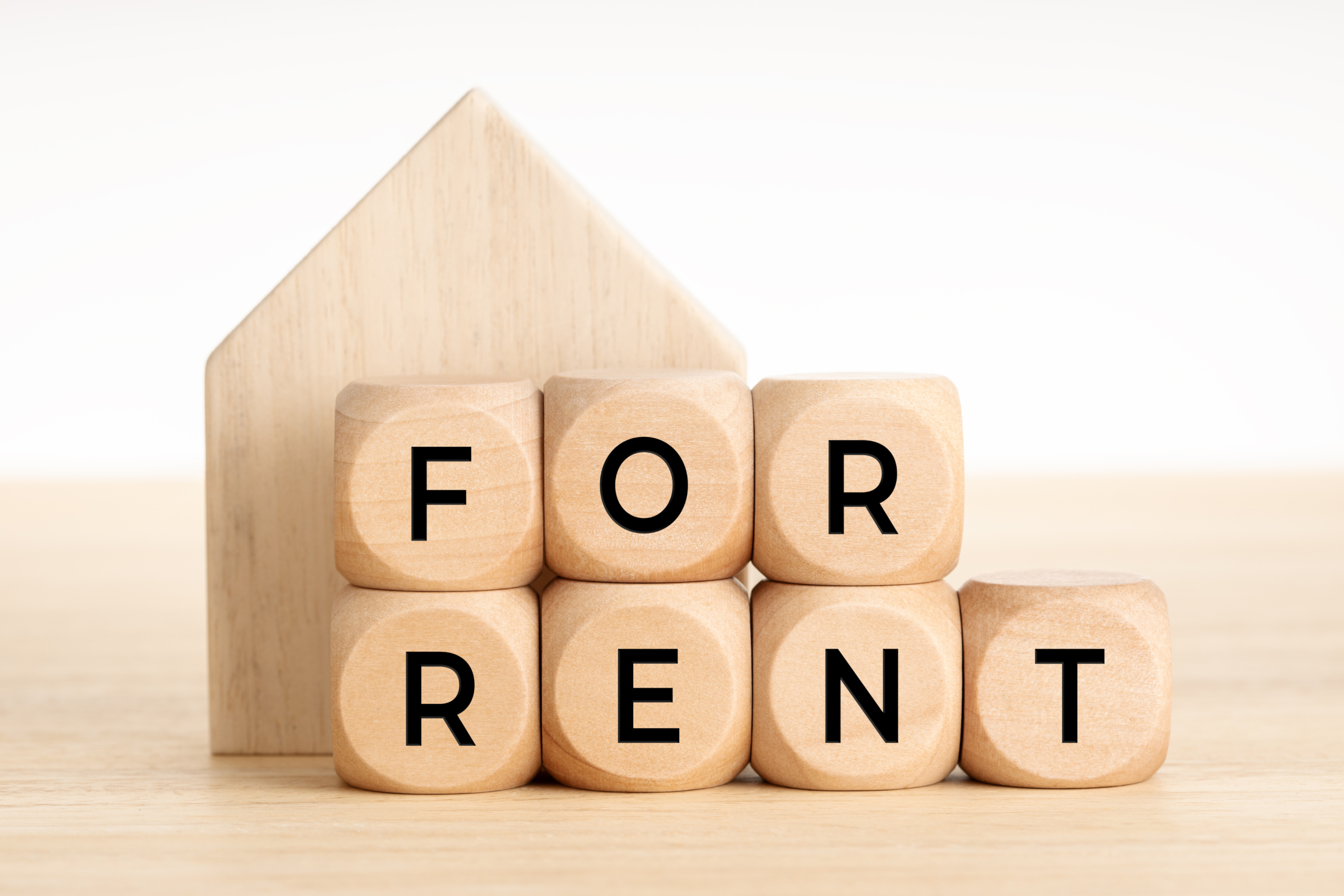
- The words “FOR RENT”
- Your phone number
That’s it! That’s all the information you must include, especially when the signs are viewed from a distance. Another benefit of keeping the information simple is making these signs professionally and reusing them for multiple rental properties.
Of course, making up some signs with more detailed information can also be beneficial. When making a sign that will be hung up close to its viewers, add the following in list form:
- Property address
- Rental price
- Application information
- Number of bedrooms and bathrooms
- Included amenities
- Other features
These long-form signs should include anything that will attract more applicants.
How Can I Make My Rental More Appealing?
Determining how to make your rental property more appealing to potential tenants is a good start when filling vacancies. However, a few approaches need to be considered when facing this situation.
First, consider whether actual changes and improvements must be made to your property. In some cases, properties will sit vacant because they do not meet the expectations of renters in the area. For example, a kitchen with outdated appliances might not rent well in an area where people want more modern, updated designs.
Take some time to review your property in comparison to what is actively renting in your area. Often, investing in these improvements will make your property easier to rent in the long term. Something as simple as painting the interior may be what it takes to find a renter.
Next, consider if you need to change how you advertise your property. Look over the following aspects of your rental property marketing to see if improvements can be made:
- Are your photos clear, showing a clean and welcoming rental unit?
- Does any writing copy include appealing features and local amenities that may attract buyers?
- Are you posting the advertisements in places where your target audience will see them?
- Have you recently updated the copy so that outdated information isn’t being used repeatedly for properties that have been vacant for some time?
Approach your rental marketing like a puzzle that you can solve. The key is determining what aspect of your rental is causing the vacancy. The way to find it is by troubleshooting with these techniques!
How Do You Attract Tenants In A Tough Market?
When competing in a high-volume rental or similarly competitive market, you might have difficulty filling vacancies as quickly as you would like. To attract tenants in a tough market, offer compelling amenities like dedicated parking and flexible lease terms. Though this is a complex problem to overcome, here are some additional tips that can be used to bring in more rental applicants:
- Add pet-friendly options to your apartment listing. This is becoming less common, so having this feature can be a real selling point.
- Upgrade appliances to be more energy efficient. Tenants will appreciate the potential cost savings and the earth-friendliness.
- Offer parking options, especially if you are in an area where parking is a real commodity. This might take some time, but it is worth the investment as it can attract many applicants.
Each proposal involves examining the area and considering what other rentals are lacking. What makes applicants jump on a listing quickly? If you can identify this it-factor in your area, you can set yourself up for fewer vacancies.
How Do You Attract High-Quality Tenants?
Finding tenants who fit your target audience can be difficult, and landlords of all experience levels need help. What is the right way to attract high-quality tenants?
First, you want to ensure you allow your rental applicants to show what type of tenant they would be. Rather than having an open house, try scheduling individual apartment tours. These tours will give you a chance to get to know the potential tenant, show the property thoroughly, and answer any questions they have.
High-quality tenants often know precisely what they want and aren’t afraid to ask questions. Engaging in one-on-one conversations can help you secure their application.
Additionally, ensure you require a full rental application, a background check, and an application fee. Not all landlords will agree that a rental application fee is necessary, but having the applicants pay for their background check is a great way to test how serious they are about the property. The best tenants will be ready and willing to make this commitment.
Finally, continually learn from your experiences as a landlord. Potential applicants who meet you, see your listing, or interact with other tenants in your building will be able to see what type of landlord you are. When you show that you are a professional and considerate landlord, prospective tenants will be more likely to apply.
Did you enjoy this article?
This is an example of what is included on our FREE weekly newsletter, Landlord Weekly.
Subscribers get access to our free forms, email templates, and guides! As well as…
▪️Landlord Tips ▪️ Early Access to Our Blogs ▪️ Landlord Specific Articles by Other Industry Pro’s ▪️ Podcast Links