

By John J. Stromberg
Whether you own one or multiple rental properties, a power of attorney is a key component in your estate planning portfolio.
Power of Attorney in General
A Power of Attorney takes effect on its execution date, remains in effect if you become incompetent and financially incapable, and expires when you pass away. Alternatively, a Power of Attorney document can set forth an earlier date upon which the authority granted therein will terminate.
Your Power of Attorney “Agent”
Your “Agent” is the person designated in your Power of Attorney to manage your estate if you become incompetent or financially incapable. An Agent can be someone close to you, such as a spouse, child, or parent. However, rental property owners may more prudently choose a business partner or another rental industry expert as the Agent. The designated Agent should ultimately acknowledge their duty by signing a certification and acceptance of authority.
Authority Granted in Power of Attorney
Agents have authority to handle matters ranging from business operations, claims and litigation, taxes, and real property transactions. For rental property owners, the Power of Attorney document can describe how your Agent should manage your assets to keep things running smoothly.

Estate Planning You Can Trust
Simple. Easy. Trusted.
Nolo’s WillMaker is America’s #1 estate planning software. Get immediate access to easy-to-use software and create your customized will today. Make a living trust, healthcare directive, power of attorney and so much more. There’s never been an easier, more affordable way to protect your family, home and assets.
Transferring Assets to a Trust through Power of Attorney
A Power of Attorney can simplify the transfer of assets into a trust by enabling your Agent to transfer those assets on your behalf. For example, if you’re unable to finish funding your trust due to an unforeseen severe accident, the Agent can make the necessary transfers for you. If a Power of Attorney is not in place before you become incompetent or pass away, the remaining assets not already in the trust may need to progress through the probate process.Click to Learn More About How to Protect Your Family and Assets
Power of Attorney Compensation
Your Agent is entitled to reimbursement for reasonable costs incurred in exercising their powers outlined in your Power of Attorney. Reimbursement of these costs may come from the assets your Agent is managing while you are incapacitated.
A Power of Attorney is a crucial component in any rental property owner’s estate planning toolbox.

Did you enjoy this article?
This is an example of what is included on our FREE weekly newsletter, Landlord Weekly.
Subscribers get access to our free forms, email templates, and guides! As well as…
▪️Landlord Tips ▪️ Early Access to Our Blogs ▪️ Landlord Specific Articles by Other Industry Pro’s ▪️ Podcast Links

by Ryan Squires
Profit and loss statements (P&L) are one of the key reports rental property owners need to run their businesses. Also known as the “rental income statement” or “income expense statement,” this report summarizes a business’s transactions and calculates the profit (or loss). It shows where money is coming from and going to over a specified period.
Analyzing profit and loss is essential for landlords and property managers, so understanding the basics of the report is crucial. Today, we’ll discuss what you’ll find in an income statement, how to calculate profit or loss for your property, how to use P&Ls within your business, common mistakes to avoid, and more.
What’s included in a profit and loss?
P&L reports cover a set period and include the income, expenditures, and net operating income calculation for that time. The statement consists of three parts: gross income, operating costs, and net operating income. Do you have more than one property or unit? If so, you’ll need a P&L with a column for each door.
Section 1: Gross Rental Income
Gross income is the total revenue generated by the rental property before you deduct any expenses. So in this section, you’d include the unit’s rents plus any additional income associated with the property:
- Application fees
- Late charges
- Laundry fees
- Lease renewal fees
- Parking charges
- Pet fees
- Rents
- Storage charges
- Vending machine income
If you offer additional services, like meal options, concierge services, or transportation, that aren’t typically included in the rent, that income is included in a P&L statement, as well.
Key point: Record security deposits on your balance sheet, not the profit and loss statement. Security deposits only count as income if your tenant breaches the lease terms and you retain some or all of the security deposit. A refundable deposit that you’re holding until the lease ends isn’t reportable income.
Section 2: Operating Expenses
This section reports the costs associated with the day-to-day operations of your rental property. Your P&L report uses the chart of accounts categories to group expenditures, so the expense section of a rental property P&L frequently aligns with the IRS Schedule E categories:
- Advertising
- Auto and travel
- Cleaning and maintenance, including landscaping, snow removal, and pest control
- Commissions
- Insurance
- Legal and professional fees, including accounting costs
- Management fees
- Mortgage interest
- Repairs
- Supplies and small equipment
- Taxes, like property or sales tax, not income taxes
- Utilities, including phone, internet, and garbage collection
- Other, such as education, dues, subscriptions, licenses, etc.
Capital improvements, fixed assets, and loan principal repayments won’t show in this section; those belong on your balance sheet instead.
Section 3: Net Operating Income
Net operating income (NOI) shows the profitability of your investment property. The formula is simple:
Income − Expenses = NOI
Note: NOI is your before-tax income; in other industries, this figure is also known as EBIT, which stands for earnings before interest and taxes.
Despite its straightforward formula, NOI—and the income statement—play a key role in running your rental property business.
How to Use a P&L for Rental Property
With the information from your income statement, you can answer questions and gain insight into your property’s performance. Why is the rental over- or underperforming? Which areas of the business should you target to reduce costs? Which income streams are most profitable? Use your P&L for more than just assessing profitability—here’s how.
Evaluate Your Property’s Financial Health
For real estate investors, understanding a property’s financial health is essential, and your P&L statements are a key part of that. You can use the NOI to evaluate your investment, compare properties, and gauge their performance. The higher your NOI, the more profitable the property.
You can also analyze your P&L to look for income and expense trends. Creeping costs and dwindling income affect your profitability over time, so reviewing your statements regularly will help you catch issues early on.
Perform Comparative Analyses
Are you looking to expand your portfolio? Use the P&L statements from the properties you’re considering for a comparative analysis. The income statements will help you identify the property with the best return or most consistent revenue streams.
By reviewing the P&L statements for potential investments, you can also evaluate the potential risk for each property by asking questions. Is the income stable? Do the expenses fluctuate significantly? What are the market trends?
Appraise Properties and Secure Financing
Once you know a property’s NOI, you can appraise the rental unit by calculating its cap rate, which measures a property’s rate of return and helps you estimate a property’s fair value.
Having a healthy P&L also makes it easier to secure funding and more favorable financing terms. NOI can affect loan approval because lenders use it to assess your cash flow as part of the debt service coverage ratio.
This metric gauges your ability to repay debts, including repaying principal and interest on long- and short-term debt. Investors also use this ratio and a property’s NOI to make informed decisions about acquisitions, sales, or refinancing.
Manage Risk and Make Strategic Plans
Analyzing your P&L is another way to detect and mitigate financial risks for your rental property business. When you review your income statements regularly, you’re searching for potential issues.
For instance, if your utility costs are up unexpectedly, that might indicate a leak that your renters haven’t noticed or reported yet. By addressing the leak early on, you prevent a bigger, more expensive problem later on, thereby reducing your risk.
You can project the income and expenses for your investment property by reviewing the P&L and net operating income. These projections help you update your budgets, prepare for taxes, and form long-term investment plans, such as future improvements, refinancing, or property acquisitions. Based on market shifts and property performance trends in your P&L, you can adapt your strategies.
How to Calculate Profit or Loss on Rental Property
The net operating income formula is simple:
Revenue – Expenses = Profit (or Loss)
The difficulty lies in setting up the report, then tracking and recording the transactions that affect the income statement.
How to Set Up an Income Statement for Rental Property
The categories in your chart of accounts are used in the P&L, so the more detailed your chart of accounts, the more detailed your P&L may be. Just remember that too many details can complicate your reports or cause confusion. You don’t need an income line for each tenant from one property or an expense line for each vendor.
Think about what would be most helpful for your business, then refine your chart of accounts and reports to support your needs.
Pro tip: Aligning your chart of accounts and P&L with the Schedule E makes tax prep simpler.
Sample Income Statement for Rental Property
| Account | July 2025 |
|---|---|
| Income | |
| Rental Income | $1,500 |
| Late Fees | $0 |
| Pet Fees | $100 |
| Parking Fees | $50 |
| Total for Income | $1,650 |
| Expenses | |
| Advertising | $100 |
| Auto and Travel | $80 |
| Cleaning and Maintenance | $275 |
| Commissions | $0 |
| Insurance | $100 |
| Legal and Professional | $0 |
| Management Frees | $0 |
| Mortgage Interest | $75 |
| Repairs | $50 |
| Supplies | $20 |
| Taxes | $0 |
| Utilities | $200 |
| Other | $50 |
| Total for Expenses | $950 |
| Net Operating Income | $700 |
Beginner landlords often use templates or spreadsheets to create income statements, and many (but not all) property management or accounting platforms include the profit and loss statement in their reporting options.

A landlords one stop shop for tenant management…for FREE
You can’t beat free and the only time you pay is if you want to purchase a lease or have expedited rent deposits. Most everything else costs zip, zero, zilch.
Why do landlords need different versions of the P&L?
By reviewing different versions of your rental’s income statements, you’ll gain different perspectives of the property’s performance. These are the four most commonly used versions of the income statement for real estate investors.
Monthly
This version shows your property’s data for a single month. This snapshot view makes it easier to spot unexpected costs and irregularities.
Year to Date
The year-to-date income statement shows total income, current expenses, and NOI for the year so far. This version helps analyze overall performance and is a good indicator of your current taxable income.
Pro tip: A year-to-date P&L broken down by month makes it easier to spot trends in income or costs and budget variances.
Year-End
The annual, or year-end, income statement shows the property’s total income, costs, and NOI for the tax year. Use this version to prepare annual budgets and taxes, as well as to update key performance indicators, such as the cap rate.
Trailing 12 Months
Also known as the TTM or T-12, this form of the income statement covers the property’s performance over the last year from the current date. Use the T-12 to monitor the change in your property’s NOI.
Need a loan or mortgage? The lender may want to see a T-12, T-3, and rent roll.
Common Mistakes with Rental Property P&Ls
You want your rental property to be as profitable as possible, and your P&L can help you make that happen, as long as you avoid these common errors:
Not Classifying Transactions
Reports are only helpful if they’re accurate. Uncategorized income or expenses make it difficult to prepare reports, file taxes, and make informed decisions about the property.
Using P&L Spreadsheets and Templates
Spreadsheets require time to update and attention to detail for manual data entry. Problems with formulas or math errors can lead to missed deductions and incorrect reporting. Plus, each property needs a column on the P&L—every version. That’s a significant time commitment with considerable potential for errors.
Not Recording All Income
Sometimes landlords aren’t sure what counts as reportable rental income, so they don’t record some transactions. But if you leave transactions off your books, you don’t have complete records or full transparency in your business. And over- or underreporting income can have serious consequences, including IRS penalties and interest.
Skipping Report Reviews
Tempted to skip reviewing your reports? This mistake is easy to make if you’re short on time. But if you don’t review your reports regularly, you can’t make informed decisions. You’ll lose the chance to monitor your cash flow, key performance metrics, and income and expense trends. And you won’t be able to identify and correct potential issues or adjust your budgets and long-term plans.
Deducting Fixed Assets in Full
Fixed assets, or capital improvements, are significant investments that add value or extend the property’s useful life. These improvements are not fully deductible in the year they’re incurred, except under particular circumstances. So when you invest in a fixed asset, like a new roof or furnace, the purchase shows on your balance sheet, not the profit and loss.
You can recoup the cost of the asset through depreciation, a noncash expense that will show on your P&L. Incorrectly deducting fixed asset purchases will have a significant effect on your books—greatly reduced profitability—and it opens you up to IRS penalties if you get audited.
How TurboTenant Can Help
The income statement is a critical element for managing your rental property, so why rely on time-consuming, error-prone templates?
Skip the spreadsheets and save time with TurboTenant, rental property management software with an integrated accounting platform. We’re here to simplify bookkeeping and property management for your rentals.
Our platform is better than using outdated spreadsheets—no more manual data entry or fighting with formulas! Linked accounts, automatic imports, and customizable rules allow you to automate your account updates while ensuring accuracy.
Not an accounting whiz? No problem.
Unlike expensive generic accounting platforms, our bookkeeping software is designed especially for rental property investors like you. You don’t need an accounting degree or a bookkeeping background to use TurboTenant’s accounting and bookkeeping features.
Your chart of accounts is preconfigured for real estate, right from the first click. Plus, we’ve got transaction templates ready to help you correctly record items like security deposits or mortgage payments.
Stay on top of your rental’s financials with built-in reports, including balance sheets, rent rolls, cash-on-cash, and multiple P&L statements, all available at the unit, property, and portfolio level. We’ll help you get ready for tax time, too, with deduction reviews, Schedule E reports, and accountant access.
Say goodbye to spreadsheets and generic accounting options, and save yourself time, money, and headaches.
Sign up for a free TurboTenant account today!
Disclaimer: This blog is for informational purposes only and is published by TurboTenant. It is not legal, financial, or tax advice. Laws and regulations for landlords vary by state and locality and may change over time. Always consult a qualified attorney, accountant, or local housing authority before making decisions related to your rental property. The publisher and authors assume no responsibility for actions taken based on the information provided.
Did you enjoy this article?
This is an example of what is included on our FREE weekly newsletter, Landlord Weekly.
Subscribers get access to our free forms, email templates, and guides! As well as…
▪️Landlord Tips ▪️ Early Access to Our Blogs ▪️ Landlord Specific Articles by Other Industry Pro’s ▪️ Podcast Links

Provided by the Fair Housing Institute
In property management, some of the most important decisions are the ones made quietly, without fanfare, applause, or even acknowledgment. They’re the choices that take place in leasing offices, during maintenance calls, or while responding to a resident’s email. These moments might not make headlines, but they shape the culture of a community, influence team morale, and protect housing providers from costly legal risks.
The Small Choices That Matter Most
Ethical dilemmas in property management often show up in subtle, everyday interactions. A resident offers a thoughtful gift during the holidays. A prospective resident shares a personal hardship and asks for flexibility. An established resident wants a policy exception “just this once.” None of these are unusual. In fact, they’re common.
But the impact of how they’re handled is significant. Accepting a gift might seem harmless—until another resident notices and wonders about favoritism. Granting a one-time exception to one person can lead to frustration when someone else is denied the same exception. And saying “yes” to one request might make it harder to justify a “no” later.
These aren’t just customer service decisions. They’re ethical ones, and they influence how fair, consistent, and transparent your housing practices appear to residents, staff, and regulators.
Fairness Is More Than Following the Law
At its core, ethical property management is about doing the right thing, especially when it’s hard, inconvenient, or unpopular. It’s about recognizing that fairness isn’t just about avoiding discrimination; it’s about creating an environment where everyone feels respected and valued.
When housing professionals respond to resident concerns, make judgment calls, or interpret policies, they’re making micro-decisions that either reinforce or erode trust. That’s why consistency is key. It protects both the provider and the community by reducing misunderstandings, maintaining professionalism, and minimizing the risk of violating fair housing laws.
Policies As Anchors, Not Barriers
Policies exist for a reason, but that doesn’t mean they’re inflexible. Rather than seeing them as limitations, think of them as anchors—frameworks designed to guide decision-making and promote equity. When applied thoughtfully and consistently, policies help remove personal bias and ensure every individual is treated fairly.
This is especially important when handling accommodation requests or other sensitive issues. A well-trained team understands not only the letter of the law but also the importance of empathy and professionalism. This balance is what turns policy into practice and compliance into care.

Online tenant screening for property owners
TransUnion’s Smart Move is FCRA compliant and provides Tenant screening reports in 4 easy steps. Just create a FREE account, enter applicant information, select which reports you want, and select who pays!
No subscriptions: Enjoy free membership with SmartMove’s pay-as-you go tenant screening. Only pay for the reports you need.
Fill your property vacancies quickly. Reports are often back to you within minutes of paying and submitting the order.
Choose who pays, you or the applicant! Get critical info from a trusted source. TransUnion is one of the three major credit reporting agencies in the United States
Creating a Culture of Integrity
Ethical decisions don’t happen in isolation. They’re influenced by leadership, reinforced through training, and modeled by example. Housing providers who foster a culture of integrity—where team members are encouraged to ask questions, seek guidance, and prioritize fairness—are better equipped to handle tough calls.
Investing in ethical leadership and ongoing education isn’t just good practice—it’s a strategic advantage. It reduces liability, increases resident satisfaction, and builds a stronger, more cohesive team.
Professionalism Is a Daily Practice
Ultimately, ethical property management is a commitment. It’s showing up with integrity, even when no one is watching. It’s treating policies not as checklists, but as tools for fairness. And it’s understanding that while not every decision will be easy, every decision is an opportunity to lead with values.
By embracing the unseen moments with thoughtfulness and professionalism, housing providers can build communities that are not only compliant, but truly fair—and that’s a legacy worth protecting.
Did you enjoy this article?
This is an example of what is included on our FREE weekly newsletter, Landlord Weekly.
Subscribers get access to our free forms, email templates, and guides! As well as…
▪️Landlord Tips ▪️ Early Access to Our Blogs ▪️ Landlord Specific Articles by Other Industry Pro’s ▪️ Podcast Links

By Johana Williams
Like any other investment you make, properties need to be carefully managed and looked after so would your portfolio benefit from a property manager?
If you own property for rent, then you will already be aware of the challenges involved.
Rental properties often need us to be very attentive; the idea that this is simply “passive income” that requires minimal input is an outdated concept. To get the most out of a real estate investment, you need to be willing to do one of two things:
- Commit your time to managing the property as you would any other business, or
- Hire a professional property-management company that can do this for you.
Like any other investment you make, properties need to be carefully managed and looked after.
They require constant supervision and analysis, as well as continual connections with the people renting from you. Think about how much goes into managing your property: You need to first invest in the building, maintain its condition and amenities, market the property, prepare the legal documentation for tenancy, and then find a tenant you can trust. Then, you need to maintain contact with maintenance vendors, such as trade professionals.
It’s a lot, right? You are not alone if you feel like your “passive” investment isn’t very passive at all!
With that in mind, many property owners – especially those in major real estate locations – benefit from hiring a property-management company. Would your property portfolio benefit from the same?
Time Versus Money: The Owner’s Dilemma
The first reason many people avoid hiring property managers is the cost. Property-management companies take a percentage of the property’s income in return for managing the property. However, given the time-sensitive nature of modern life, many property owners are happy to give up that little bit of profit to reclaim personal time or more easily make time for future business endeavors!
When you hire a property manager, you no longer need to stay within the local area of your property, giving you more time to do other things. You could move to a new country or head off on holiday without worrying that your tenant(s) will run into issues. A property manager takes on so many of the mundane yet vital tasks involved in property management that you cannot help but feel the benefits of having your time back.
There is also the fact that, with a property manager being the first responder to any tenant troubles, you do not have to be on-call at all times. Worried about having to miss out on a fun evening with friends in case of a storm brewing? Leave it to your property manager.
Benefiting From Manager Expertise and Experience
However, while the cost mentioned above is a valid concern, there are always costs necessary for a successful business model, and they are often worth paying. A property-management company is involved, and they deal with everything. They market the property and manage its maintenance using quality contractors and even tenants. Property-management firms have specialists who handle just about everything involved, meaning you carry far less personal burden.
That can be a good thing because all you need to do is wait for your payments to arrive. When inspections need to be carried out, your property manager does them for you. The best property-management companies use licensed professionals, from real estate agents and marketers to licensed contractors and trade professionals with all the right connections and certifications. As such, they can often secure better rates for supplies and professionals.
You benefit from their experience of dealing with surprise situations, too. While you might be blindsided by an overnight flooding or a shock legal dispute with a tenant, property-management companies have seen it all.

Looking for the next level of landlord software before handing off to a property manager?
Hemlane is a software that is built to grow with your needs as a landlord.
For a minimal amount, there’s a really good basic package but what we love is the option to upgrade and add 24/7 maintenance management on.
Hemlane offers complete financial support as well. You can link multiple bank accounts for direct deposit rent payments, add automatic late fees, sends reminder notifications to your tenants, and has a detailed profit and loss statement that can includes automatic and manual uploads of income and expenses.
It gets better! If you reach a place where you are ready to hand off management to a property manager, Hemlane has that too under their “Complete” option.
You can try Hemlane out FREE for 14 days (no credit card required) to see if its a good fit for you!
Consistent Performance
Another nice benefit, is that tenants tend to stick around longer when a property manager is involved. This is simply because things get done on a more routine basis, mistakes are more easily avoided, and response times are better. The best property managers have staff on-call 24/7, so any issues receive near-immediate responses.
Performance comes down to tenant selection and retention, as well. The best property-management companies find quality tenants and keep them around longer. This means fewer gaps in rent payments, because quality tenants pay on time and stay in the building longer. Not only do you get better tenants, but they stick around, and you don’t have to get involved in messy evictions because your property manager will handle that for you. The efficacy and overall experience of the propert- renting process becomes much better when you have dedicated managers.
As you can see, a property-management company could be the time-saving solution you need. They can also boost property performance and provide the answers you want. If you are sick of having to solve every problem that pops up with your rental property portfolio, involve an expert. Hire a property manager, and see how much time you can claw back each year. After all, time is money.
Investing in property is supposed to give you a lease on life and personal freedom, right? Well, with a property manager, that becomes a realistic goal instead of a pipe dream. Suppose you want to make sure that your property investment pays off; like anything else in life, it pays to leave matters in the hands of experts you can trust. Learning on the job as a property owner can become very expensive.
Did you enjoy this article?
This is an example of what is included on our FREE weekly newsletter, Landlord Weekly.
Subscribers get access to our free forms, email templates, and guides! As well as…
▪️Landlord Tips ▪️ Early Access to Our Blogs ▪️ Landlord Specific Articles by Other Industry Pro’s ▪️ Podcast Links

By John Triplett
Many landlords require renter’s insurance, but others are still not requiring it or verifying it, according to a new study.
A new joint survey from property-management software company RentRedi and investors website BiggerPockets shows that while most landlords understand the difference between renters’ insurance and landlord insurance, many still don’t require it—and even fewer take steps to verify it.
That gap can leave both landlords and renters exposed to financial risk, especially as rental portfolios grow and things get more complex.

“These results, together with a companion survey conducted by RentRedi alone, highlight that many real estate investors are still exploring the best ways to implement and manage renters’ insurance within their rental process,” the study says, according to a release.
Smaller landlords are 60% more likely to require renters’ insurance than landlords with larger portfolios.
“It’s proof that with the right tools, it’s possible to stay protected without making things harder for you or your tenants,” according to the release.
When asked how they verify renters’ insurance coverage, half of respondents reported that they currently do not verify. The rest rely on a mix of manual checks, insurance-company confirmations, or property-management software, demonstrating that many landlords are still exploring the best ways to integrate renters’ insurance into their rental process.


Need a Lease Agreement?
A FREE account gets you access to over 200 free forms. Upgrade to a paid account (monthly, annually, or lifetime)
EZLandlord Forms Is Offering 15% 𝙊𝙛𝙛 For New Customers!
We cannot recommend these guys enough!
👉 State Specific Leases 👉 400 Forms to make your landlord-tenant relationship top notch 👉 200 FREE forms for those not ready to purchase 👉 4.8 Rating with over 5000 Reviews 👉 Pro Members get access to ALL leases and forms for $12 per month OR $75 if you purchase the annual membership 👉 YOU CAN BUY LIFETIME FORMS for $399
USE CODE 𝐒𝐓𝐀𝐂𝐈𝐄𝟏𝟓 to get 15% OFF ALL first-time purchases, EVEN THE LIFETIME FORMS!
Key findings about landlords and renters’ insurance
- Nearly 50% of landlords don’t verify renters’ insurance coverage
- Fewer than half require renters’ insurance in their leases
- About 4 in 10 follow up to confirm active coverage
- Smaller landlords (1–4 units) lead in requiring and enforcing coverage
- Larger operators trail by double-digit margins but can optimize with automated solutions

Methodology:
The joint survey with BiggerPockets, conducted from June 11–16, 2025, gathered responses from 812 real estate investors and property owners. Separately, RentRedi survey conducted its own survey from March 30 to April 14, 2025 that analyzed landlord behavior across portfolio sizes and received 1,623 responses..
Did you enjoy this article?
This is an example of what is included on our FREE weekly newsletter, Landlord Weekly.
Subscribers get access to our free forms, email templates, and guides! As well as…
▪️Landlord Tips ▪️ Early Access to Our Blogs ▪️ Landlord Specific Articles by Other Industry Pro’s ▪️ Podcast Links

By Noel Krasomil
If you’re a busy landlord, electronic lease signing eliminates the fuss of signing rental contracts in person, saving you valuable time. Between coordinating meetings, printing stacks of paperwork, and tediously signing forms face-to-face, lease signing can be a slog.
Thankfully, with electronic lease signing, you can put a digital pen to a virtual contract 100% remotely. But before you dive in headfirst to e-signing, join us while we walk through the legal requirements and the tech involved so you can stay compliant from the jump.
Stay tuned to learn about the legal validity of e-signatures, typical costs for e-signing software, best practices for digital lease signings, and common mistakes to avoid. And, by the end of this article, you’ll know exactly how to handle electronic lease signings.
What is electronic lease signing?
Electronic lease signing is the process of signing rental agreements digitally using legally binding e-signatures. According to the National Multifamily Housing Council, 92% of property managers use electronic leasing tools, making it standard practice across the rental industry. But for many independent landlords, they still rely on pen and paper.
For landlords looking to modernize, most property management software platforms include integrated tools to help you manage each stage effectively. With TurboTenant, you can complete the entire lease signing process in five simple steps:
- Create/upload agreement: Start with our lease generator or upload a pre-existing lease.
- Add signer fields: Insert signature, date, and initial boxes.
- Assign and send: Choose signers and send.
- Landlord signs: Review the document, then add your signatures to finalize the agreement.
- Store the official lease: Automatically email and save the signed copy to your account.
Are electronic signatures legally valid?
Yes, electronic signatures valid under the ESIGN Act, a federal law passed in 2000 that gives electronic contracts and signatures the same legal standing as handwritten ones. This legislation applies to lease agreements in all 50 states.
To meet legal requirements, electronic signatures must demonstrate user intent and remain linked to the document. Any legitimate e-signature platform should log timestamps, IP addresses, and user actions, creating a bulletproof audit trail that will withstand legal scrutiny.
Benefits of E-Signing Leases
E-signing leases offers a wide range of advantages that streamline the leasing process, including:
- Faster lease signings: Sign documents instantly, without printing or mailing delays.
- Fully remote: Landlords and tenants can sign from anywhere with internet access.
- Automatic audit trails: Tracks and logs who signed, when, and where.
- Legally binding: Complies with federal and state e-signature laws.
- Reduces physical paperwork: No need to print, scan, or store hard copies.
- Minimizes errors: Pre-filled templates reduce avoidable manual mistakes.
- Secure document storage: Digital copies are encrypted and easily accessible.
Downsides of E-Signing Leases
While electronic lease signing offers plenty of clear upsides, landlords should be aware of a few limitations:
- State-specific laws: Extra compliance steps may be mandatory in some states.
- Tech barriers: Some tenants may lack access to technology or the ability to e-sign.
- Platform risk: Unverified software can expose information or invalidate agreements.
Typical Costs for Electronic Lease Signing
Many property management platforms charge per electronic signature, which means expenses can add up fast. For reference, Buildium charges $5 per signature in its Essential tier, while DoorLoop charges $1 per document in its Pro tier.
TurboTenant, however, includes unlimited e-signatures with all Premium accounts, making it easy to account for costs even as your portfolio grows. Just note that in order to e-sign documents, landlords must opt for the Premium account.
Best Practices for E-Signing Lease Agreements
To get the most out of electronic lease signing, follow these four essential guidelines to stay compliant and organized:
Use Legally Compliant E-Signature Software
The most critical step in e-signing lease agreements is to use legally compliant property management software. Legitimate platforms capture clear intent to sign, lock documents after signing, and generate time-stamped audit trails.
When selecting your platform, look for e-signing features such as user authentication, detailed activity logs, and secure cloud storage that protects your leases for future reference.
Review the Lease Before Sending it Off for Signatures
The last thing landlords need is to discover a missing clause or outdated term after both parties have already signed a lease agreement. Once a landlord and tenant sign a document, making further changes may require the parties to re-sign (but only if both agree to the terms).
Treat e-signatures like wet signatures, and use state-specific lease templates reviewed by legal professionals to ensure all terms and clauses are valid and up-to-date.
Enable Audit Trails
Audit trails create a detailed digital record of the entire lease signing process. They track timestamps, IP addresses, device types, and all user actions, from the time they open the document to when they finalize with a signature. These logs help prove that the correct person signed the lease under legitimate, verifiable conditions.
If a dispute arises over timing, identity, or the signer’s intent, an audit log will provide objective data to support lease enforcement. Without this digital paper trail, it can be much harder to prove who signed the lease, when they signed it, or whether or not the signature is even valid.
Send and Securely Store Signed Documents
You can’t afford to misplace a signed lease. It’s the legally binding document outlining each party’s rights and responsibilities, and it’s the first thing you’ll need to reference if a dispute with your tenant arises.
To ensure that your leases never get lost, destroyed, or misplaced, use property management software that automatically stores signed contracts in a secure, cloud-based account you can access anytime, anywhere.
Test the Workflow Before Going Live
Before ever attempting an electronic lease signing, test the process by running through the workflow with a sample document. Ensure that all signature and initial fields function properly, emails send correctly, and the signing experience is seamless for everyone involved. Taking the time to pinpoint potential issues can prevent delays, errors, and disputes down the road.
A landlords one stop shop for tenant management…for FREE
You can’t beat free and the only time you pay is if you want to purchase a lease or have expedited rent deposits. Most everything else costs zip, zero, zilch.
Common Mistakes to Avoid
Follow these four tips to avoid common errors and keep your electronic lease signing process legitimate and legally sound:
Overlooking State-Specific E-Sign Laws
States like California, New York, Illinois, and Washington have their own electronic signature laws in addition to federal rules.
For example, California follows the Uniform Electronic Transactions Act (UETA), which requires signer consent and a verifiable link between the signature and the signer. New York and Illinois use separate statutes that closely resemble the UETA but incorporate their own legal language.
To stay out of legal hot water, always confirm that your software meets your state’s e-signature laws. These rules are subject to change, so be sure to review the current regulations before sending any lease agreements for electronic signature.
Using Non-Compliant E-Sign Platforms
Not all electronic lease signing platforms meet legal standards for rental agreements. For example, some fail to verify signer identity, record audit trails, or even lock documents from future edits, making them shaky choices that could invalidate a lease agreement.
TurboTenant, by contrast, avoids these shortcomings. It verifies signer identity, records a comprehensive audit trail, locks completed documents, and securely stores everything in the cloud.
Failing to Verify Tenant Identity
If you can’t verify an e-signer’s identity, good luck enforcing the lease in court. Thankfully, reputable e-sign software verifies identity through email authentication, IP tracking, and time stamps. These tools help confirm who signed the lease and protect landlords in the event of disputes.
Losing or Failing to Save Signed Copies
Keeping track of physical leases can be messy, and losing them can create serious liability if conflicts pop up. Instead of going the old-fashioned route, use software that automatically stores signed copies in encrypted servers, keeping your files safe and accessible on demand.
Skipping a Final Review After Signing
Just because you and your tenant have signed a lease doesn’t mean the job is finished. Always review the final, signed contract to confirm that both parties filled every field correctly. Missing signatures, dates, or initials can cause enforcement issues down the line if left unaddressed.
(Legal) Electronic Lease Signing With TurboTenant
TurboTenant, equipped with proven electronic lease signing capabilities, is your go-to option for saving time and staying compliant. For landlords, speed and accuracy are paramount, and choosing the right e-signing platform is critical.
And TurboTenant does more than handle lease signing. Landlords can also use it to market properties, screen tenants, generate state-specific leases, collect rent, and manage accounting online.
Sign up for a free TurboTenant account to collect legal e-signatures and streamline your rental operations right away.
Disclaimer: This blog is for informational purposes only and is published by TurboTenant. It is not legal, financial, or tax advice. Laws and regulations for landlords vary by state and locality and may change over time. Always consult a qualified attorney, accountant, or local housing authority before making decisions related to your rental property. The publisher and authors assume no responsibility for actions taken based on the information provided.
Did you enjoy this article?
This is an example of what is included on our FREE weekly newsletter, Landlord Weekly.
Subscribers get access to our free forms, email templates, and guides! As well as…
▪️Landlord Tips ▪️ Early Access to Our Blogs ▪️ Landlord Specific Articles by Other Industry Pro’s ▪️ Podcast Links

By Byron Brown
A Landlord’s Guide To Squatters Rights
Almost everyone—whether in real estate or not—has heard the term “squatter’s rights.” It’s a term every landlord and property manager should know, but it’s often poorly understood.
So, what really are squatter’s rights? Who gets them, and what does this mean for landlords?
In this article, we cover everything you need to know about squatters and squatter’s rights as a property owner—from what a squatter is to how quiet title actions work during property disputes to how to lawfully remove squatters from your property.
Who Are Squatters? Squatter Definition
Squatters are people who move into a vacant property without being a tenant or getting permission from the true owner. They have no legal right or claim to the property when they move in and may even do so without your knowledge. Their occupation is against the law…until it isn’t.
What Are Squatters Rights?
So now that you know what a squatter is, what are squatters rights?
The term “squatters rights” is not a specific set of rules or laws. Instead, “squatter’s rights” (known in the legal world as adverse possession) refers to the general principles under which squatters can sometimes have a valid legal claim to the property they’re occupying.
There are five of these principles, which are listed below:
- Hostile/Adverse—The squatter or adverse possessor must not have a lease with the owner of the property.
- Actual—The squatter must be actively living on the property.
- Open and notorious—The squatter is open and obvious about living in the property and isn’t trying to hide their presence.
- Exclusive—The squatter prevents other people from living in the property, just like an owner would.
- Continuous—The squatter must hold continuous and uninterrupted possession of the property for a certain number of years, which varies by state. In most states, squatters must live on the property continuously for around ten to 30 years.
In general, squatters need to meet all the above criteria for the entire length of time that is specified by their state’s laws on adverse possession before making a claim to legal title. Some states (such as Florida) also require squatters to pay property taxes during the time they continuously occupy the property to make a claim to valid title, as property owners would. See the chart below to learn about the occupation and property tax requirements to claim squatter’s rights in your state.
Squatter’s Rights by State
Below, you’ll find a chart with each state’s minimum occupation length for squatter’s rights, additional requirements, and legal citations.
Note that although ‘minimum occupation length’ indicates the length of time a squatter must continuously, notoriously, etc. occupy the property by law in order to file an adverse possession claim, some states provide provisions for shorter occupation periods if a squatter does certain other things. For example, paying property taxes may be required by your state for adverse possession, but it some states, doing so shortens the length of occupation required. Similar provisions apply in some states for having color of title or cultivating the land.
Be sure you understand your state’s specific laws before taking any action against a squatter, and consult with a real estate attorney with questions about a specific squatter situation. Additionally, remember that individual cities and localities may have stricter laws that also apply (New York City being the most notorious example).
| State | Minimum Occupation Length | Property taxes required? | Citation |
| Alabama | 20 years | Optional; 10 years occupation + taxes sufficient | Ala. Code § 6-5-200 |
| Alaska | 7-10 years | No | AS § 09-45-052 |
| Arizona | 2-10 years | Optional; 5 years occupation + taxes sufficient | ARS § 12-522 – 12-526 |
| Arkansas | 7 years | Yes | ACA § 18-11-106 |
| California | 5 years | Yes | CCP § 318, 325 |
| Colorado | 18 years | Optional; 7 years occupation + taxes sufficient | CRS § 38-41-101, 38-41-108 |
| Connecticut | 15 years | No | CS § 52-575 |
| Delaware | 20 years | No | Del. Laws 10 § 7901 |
| Florida | 7 years | Yes | Fla. Stat. § 95.18 |
| Georgia | 20 years, or 7 with color of title | No | OCGA § 44-5-163 and 44-5-164 |
| Hawaii | 20 years | No | HRS § 657-31.5 |
| Idaho | 20 years | No | Idaho Code § 5-203 |
| Illinois | 20 years | Optional; 7 years color of title + taxes sufficient | 735 ILCS § 5/13-101, 5/13-105 |
| Indiana | 10 years | Yes | IC § 32-21-7-1, 34-11-2-11 |
| Iowa | 5 years | Optional; 1 year occupation + taxes sufficient | IA Code § 560 |
| Kansas | 15 years | No | KS § 60-503 |
| Kentucky | 15 years | No | KRS § 413.010 |
| Louisiana | 30 years, or 10 with color of title | No | LA Civ. Code § 742 |
| Maine | 20 years | No | MRSA 14 § 801 |
| Maryland | 20 years | No | MD Code, Cts. & Jud. Proc. § 5-103, 201 |
| Massachusetts | 20 years | No | MGL 260 § 21 |
| Michigan | 15 years | Optional; 10 years occupation, color of title, + taxes sufficient | MCL § 600.5801 |
| Minnesota | 15 years | Yes, at least 5 years | MN Stat. § 541.02 |
| Mississippi | 10 years | Yes, at least 2 years | Miss. Code § 15-1-13, 15-1-15 |
| Missouri | 10 years | No | MRS § 516.010 |
| Montana | 5 years | Yes | MRC § 70-19-401, § 70-19-411 |
| Nebraska | 10 years | No | Neb. Stat. § 25-202 |
| Nevada | 5 years | No | NRS § 11.070, 11.150 |
| New Hampshire | 20 years | No | NHRS § 508:2(I) |
| New Jersey | 30 years (60 for woodland areas) plus color of title | Yes, at least 5 years | NJRS § 2A:14-30 to 2A:14-32 |
| New Mexico | 10 years plus color of title | Yes | NMSA § 37-1-22 |
| New York | 10 years | No | NY RPA Code § 511 |
| North Carolina | 20 years, or 7 years with color of title | No | NCGS § 1-38, 1-39 |
| North Dakota | 20 years | Optional; 10 years occupation, color of title, + taxes sufficient | NDC § 28-01-04; 47-06-03 |
| Ohio | 21 years | No | ORC § 2305.04 |
| Oklahoma | 15 years, plus color of title | Yes, at least 5 years | OS § 12-93, 94 |
| Oregon | 10 years | No | ORS § 105.620 |
| Pennsylvania | 21 years | No | 42 PS § 5530 |
| Rhode Island | 10 years | No | RI Gen. Laws § 34-7-1 |
| South Carolina | 10 years, plus color of title | No | SC Stat. § 15-67-210 |
| South Dakota | 20 years | Optional; 10 years occupation, color of title, + taxes sufficient | SDC § 15-3-1, 15-3-16 |
| Tennessee | 20 years, or 7 years with color of title | Yes, unless squatter has color of title | TN Code § 28-2-109, 28-2-101 |
| Texas | 3 years with color of title; 5 years if squatter cultivates, has color of title, and pays taxes; or 10 years if improves the land | Optional; 5 years if squatter also cultivates and has color of title | Tex. Prop. Code § 16.024-16.026 |
| Utah | 7 years, plus color of title | Yes | US § 78B-2-214 |
| Vermont | 15 years | No | 12 VSA § 501 |
| Virginia | 15 years, plus color of title | No | VA Code § 8.01-236 |
| Washington | 10 years | Optional; 7 years with color of title + taxes sufficient | RCW § 7.28.085, 7.28.050, 7.28.70 |
| West Virginia | 10 years | No | WV Code § 55-2-1 |
| Wisconsin | 20 years, or 10 with color of title | Optional; 7 years occupation, color of title, + taxes sufficient | WI Stat. § 893.25, 893.27 |
| Wyoming | 10 years | No | WS § 1-3-103 |
| D.C. | 15 years | Yes | D.C. Code § 16-1113 |
Why Do Squatters Have Rights?
At this point, you may be wondering, “Why do squatters have rights at all?” It’s your property—you (or your family member or ancestor) bought it, after all. Why would anyone else have a claim to it?
To answer this question, we have to endure a short history lesson. The legal concept of squatting dates all the way back to medieval England but became particularly important in the early 1700s. During this time, commoners would farm jointly on common land, which became sparse when wealthy landlords purchased large tracts. Some of that land sat unused, and some of it became difficult to track due to lost titles and deeds.
Squatter’s rights came about to encourage landowners to actually use their land instead of letting it go to waste. If an individual built a home and occupied a tract of unused land for a long enough period without the owner taking legal action against them, the individual would be allowed to stay. The United States adopted this principle as part of the Homestead Act of 1862, which provided legal protections to pioneers who moved onto vacant land, built homes, and planted crops.
Today’s laws have preserved this albeit slightly antiquated idea of squatter’s rights. However, the existence and legal proceeding of squatter’s rights today does still have some purpose. For instance, squatter’s rights encourage and incentivize landlords to look after and use their properties/land. They also prevent confusing scenarios in which an individual living in a home they thought they owned is asked to move when the “real” owner’s descendants discover a long-lost deed.
Online tenant screening for property owners
TransUnion’s Smart Move is FCRA compliant and provides Tenant screening reports in 4 easy steps. Just create a FREE account, enter applicant information, select which reports you want, and select who pays!
No subscriptions: Enjoy free membership with SmartMove’s pay-as-you go tenant screening. Only pay for the reports you need.
Fill your property vacancies quickly. Reports are often back to you within minutes of paying and submitting the order.
Choose who pays, you or the applicant!
Get critical info from a trusted source. TransUnion is one of the three major credit reporting agencies in the United States.
How Does a Squatter Claim Adverse Possession, Get Color of Title, and Obtain the Title?
It’s very rare for a squatter to truly meet all the above criteria for a legally valid claim. But what happens when they do?
Imagine this scenario: You inherited a house from your relative in Michigan a long time ago. Instead of renting it out or selling it, you let it sit and don’t regularly check on it. Many years later, you finally visit the house only to find out that a squatter has been living there.
Michigan law requires squatters to live in a property for at least 15 consecutive years to claim squatter’s rights. If your squatter meets this requirement and the four others, they may have what’s called “color of title” – an apparent title or claim to the house even without a valid deed. They can go to a local court and file an action for adverse possession. In adverse possession cases where the squatter is really serious, they may bring some additional evidence to support their claim for possession, including:
- Property tax receipts for the real property, if they’ve paid them
- Mail addressed to them at the property
- Evidence that they’ve beautified the premises, such as planting flowers or landscaping
You, the owner, need to provide evidence that clearly disputes the squatter’s or proves your ownership and use of the premises. If the squatter brings an action to quiet title (a motion to decide the legal ownership of the house), you may be required to bring this evidence to a trial and present it in front of a judge. A squatter who moves to file a quiet title action must be confident that they have enough evidence to establish property ownership and prove that they fulfill the role of the rightful owner, possibly with the help of a real estate attorney.
Only after occupying the house for 15 years, meticulously collecting evidence, attending a hearing, and receiving a judgment for adverse possession from the court, can a squatter officially and fully claim ownership of your property and receive a clear title.
How Do You Get Rid of Squatters?
Squatters are concerning for many reasons. They can drive away other tenants, damage your property, or wreak other types of havoc. Plus, as long as a squatter is living in your property, you’re losing money on the rent they should be paying.
So, how do you get rid of them? Let’s return to the squatter at your house from the previous section. In almost every state, removing a squatter requires going through the full, formal eviction process in that state. In practice, this means:
- Calling local law enforcement to verify that the person is indeed a squatter, and not merely a trespasser (who can be removed by police officers and tried criminally).
- Sending the squatter an eviction notice, providing the appropriate number of days to move out dictated by your state’s laws
- Filing an eviction action in court
- Attending a hearing to present evidence of the squatter’s unlawful occupation
- Receiving an eviction order from the judge
- Taking this order to the sheriff’s office, who will remove the squatter.
Note: Only a sheriff can physically remove a squatter from your property. At no point should you attempt to physically force the squatter to leave. Threatening or harassing squatters is also not allowed.
Can You Turn Off Utilities on a Squatter?
Upon noticing a squatter, many landlords panic and try to think of the fastest way possible to remove them. If you’re in this boat, you may immediately wonder, “Can you turn off utilities on a squatter?”
In almost all states, the answer to this question is strongly “no.” Turning off utilities like water or heat would fall into the category of “self-help” evictions, which are illegal. The only way to remove a squatter, in most states and situations, is through the legal eviction process.
There is one exception to the rule above. In 2014, Michigan passed a law that legalized peaceable self-help evictions for removing squatters only. This means you could reasonably try to get your Michigan squatter to leave by making the property unlivable—changing the locks or turning off the gas, heat, water, etc., before you resort to the legal route and file for eviction in court. However, this special law only applies to squatters (self-help evictions are still outlawed for tenants in Michigan), and no matter what, it’s still illegal to try to physically remove the squatter yourself.
Conclusion
If you find squatter’s rights utterly confusing, that’s understandable. The procedures and policies for squatter’s rights can be complex, unintuitive, and dated. However, if you know the five simple criteria for squatter’s rights, you have a strong enough understanding to realize how important it is that you keep up with your properties and avoid legal entanglements with squatters altogether. Squatters also underscore the importance of getting title insurance and performing a thorough title search before buying a property in case any previous quiet title complaints, property boundary disputes, or other title disputes could interfere with your ownership claim to your property.
Squatter FAQs
Do squatters really have rights?
Yes, but only under strict legal conditions. Squatters can gain rights through adverse possession laws if they live on a property openly and continuously for a set number of years—usually between 10 and 20— and often while meeting other criteria like paying property taxes for many years.
In practice, this only happens when properties have been severely neglected by their owners for many years. A squatter that has just moved into your property likely does not have any rights to the property or occupation of it.
How long does a squatter have to live on a property to claim ownership?
It depends on the state—anywhere from 5 to 30 years. Some states reduce the required time if the squatter pays property taxes, holds color of title, or cultivates the land.
What’s the difference between a squatter and a trespasser?
A trespasser is someone who is unlawfully on a property for a short time. A squatter lives on the property long-term, often openly and exclusively. Squatters may require a formal eviction process and must be removed by the sheriff’s office, while trespassers can usually be removed by police.
Can a squatter gain legal ownership of my property?
Technically, yes—if they meet all adverse possession requirements in their state, document their occupation and other requirements (like property tax payments), and win a court ruling. This usually requires open, exclusive, and continuous occupation, and in some states, paying taxes or holding color of title.
Many landlords are worried about squatters making a claim and legally taking their property, but due to the strict requirements this happens very rarely in practice.
How do I remove a squatter from my property?
You must follow your state’s legal eviction process. This includes sending an eviction notice, filing a court case, attending a hearing, and having a sheriff enforce the removal. Self-help evictions are illegal in most states.
Can I turn off utilities to force a squatter out?
In almost all states, no—this is considered a “self-help” eviction and is illegal. One exception is Michigan, where landlords may turn off utilities or change locks to remove squatters—but only squatters, not tenants.
What is color of title in a squatter’s claim?
Color of title is an apparent claim to ownership of a property that may have some defect (e.g., such as, lacking the proper documentation). In many states, having color of title can strengthen an adverse possession claim and even shorten the time required to gain legal ownership.
Did you enjoy this article?
This is an example of what is included on our FREE weekly newsletter, Landlord Weekly.
Subscribers get access to our free forms, email templates, and guides! As well as…
▪️Landlord Tips ▪️ Early Access to Our Blogs ▪️ Landlord Specific Articles by Other Industry Pro’s ▪️ Podcast Links
Provided by AAOA
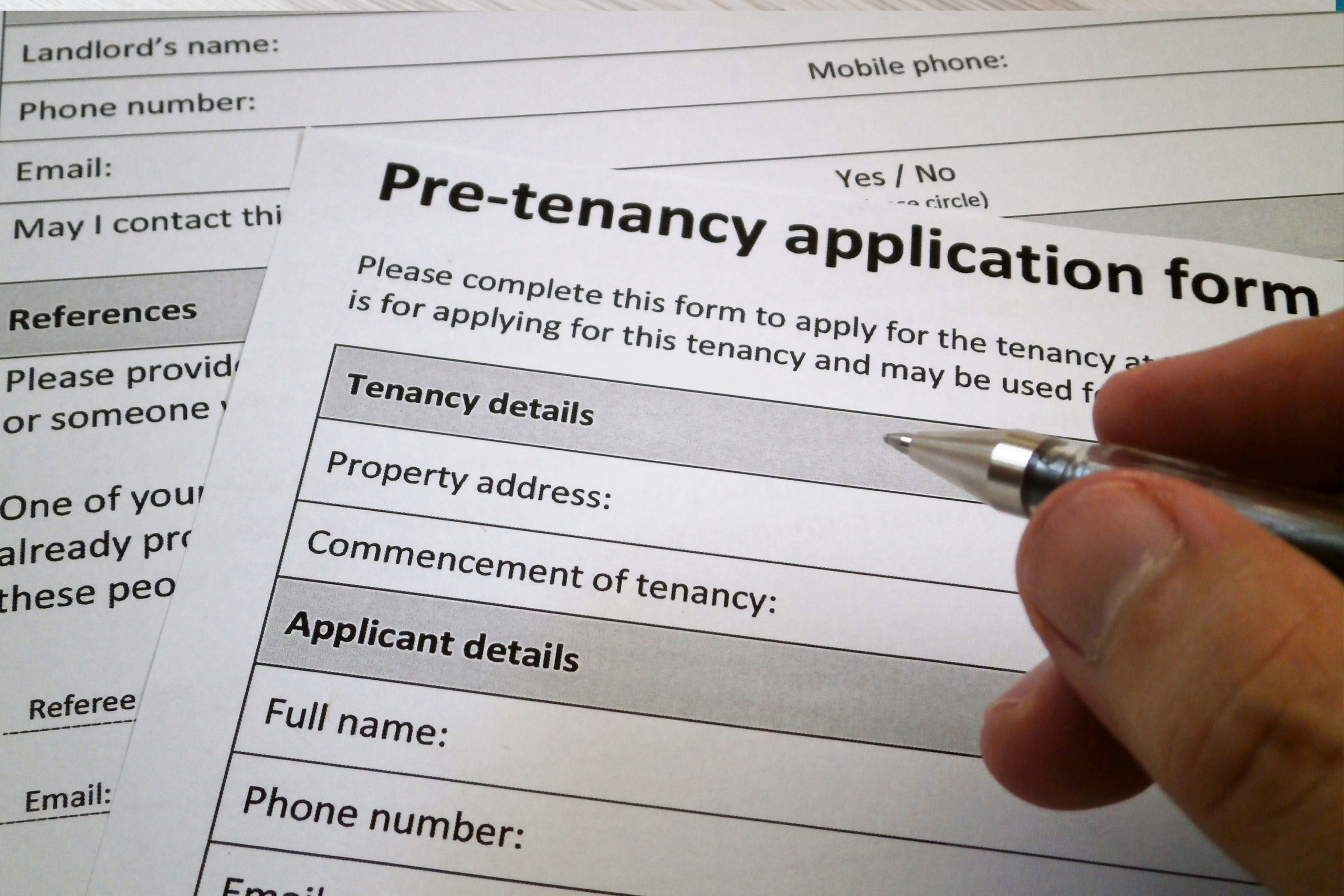
Identify Problem Tenants Before They Move In
A small amount of preparation early can help landlords avoid late payments, excessive complaints, property damage, and other issues that often stem from rushed or inconsistent tenant selection.
Identifying problem renters before they move in begins with a clear, consistent tenant screening process.
Clarifying the Kind of Tenant You Want
Before reviewing rental applications, define the qualities of a dependable tenant for your property. Establishing objective criteria helps ensure that your tenant screening process remains consistent and fair across all applicants.
Common qualities many landlords look for include:
- Steady income that supports the monthly rent
- Respectful and timely communication
- No history of evictions
- A positive background check
It is equally important to identify behaviors that may signal a poor fit. Frequent moves, incomplete applications, excessive unresolved debt, or reluctance to verify information can indicate higher risk. According to the Consumer Financial Protection Bureau, tenant screening reports can contain errors or outdated information, which makes it important for landlords to review reports carefully rather than relying on automated decisions alone.
All screening decisions must comply with state and local fair housing laws. Every applicant must be evaluated using the same standards, and reasonable accommodations must be provided when required.
Creating a Listing That Attracts the Right Renters
Your rental listing shapes a renter’s first impression and helps filter applicants before the screening process begins. A clear, detailed listing attracts serious renters and sets expectations early.
Include key information such as:
- Property type and general location
- Monthly rent and security deposit
- Number of bedrooms and bathrooms, square footage, and notable features
- Included utilities
- Clear, accurate photos
- Lease terms
- Availability date
- Pet policy
Use inclusive, factual language and avoid anything that could be interpreted as discriminatory. Focus on what the property offers rather than expectations about who should live there.
Getting Your Listing in Front of Quality Applicants
Once your listing is complete, promote it through multiple channels to increase visibility. A larger applicant pool improves your chances of finding a tenant who meets your screening criteria.
Effective options include:
- Posting a For Rent sign in a visible area
- Listing on major rental websites and local social media groups
- Sharing through neighborhood boards or community apps
Before scheduling showings, make sure the property is clean and presentable. A well maintained space signals professional management. Prompt responses to inquiries are also important, especially in competitive rental markets.

We use QuickBooks daily in our rental property business!
It’s used to invoice tenants for their rent, track expenses by property and unit number, and our tax advisor can log on anytime to get information he needs for processing taxes or analyzing our data for goal setting meetings!
QuickBooks is the #1 accounting software for small businesses, and today you can take advantage of 30% off your first 6 months of QuickBooks Online using our exclusive Business Affiliate link.
A Three-Part Method for Choosing Tenants with Confidence
A structured tenant screening process helps landlords focus on the factors that matter most while maintaining consistency.
- Confirm the rent fits within the applicant’s budget
Verify that applicants have reliable income from wages, benefits, or subsidies that reasonably cover monthly rent. Many landlords use an income guideline of at least three times the rent, though this varies by market. - Review how the applicant manages financial obligations
A credit report reveals payment patterns. Look for consistent, on-time payments and review any accounts in collection or with repeated late payments. As noted by the National Low Income Housing Coalition (NLIHC), recent changes to eviction record access mean landlords should understand how local laws affect what appears in screening reports. - Speak with professional references
References from former landlords, employers, or other professional contacts can provide valuable insight. Ask about reliability, communication, and how the applicant handled their responsibilities.
Why Careful Tenant Screening Matters
Tenants directly affect rental income, property condition, and overall workload. Taking time to screen applicants carefully reduces avoidable problems and helps landlords choose renters who pay on time and respect lease terms and their property.
According to reporting by The Philadelphia Inquirer, some cities now require landlords to disclose screening criteria or limit blanket exclusions based on credit or eviction history. These changes reinforce the need for transparent, well documented screening practices.
As reported by the NLIHC, several states have expanded eviction record-sealing laws, which can limit what screening information is available to landlords and increase the importance of careful, lawful screening practices.
While no screening process eliminates every risk, consistent tenant screening significantly reduces surprises and protects your rental investment.
Final Thoughts
Clear communication supports effective screening. Applicants should understand expectations from the beginning, and landlords should remain available to answer questions. Because laws and rental markets change, it is important to review screening criteria periodically to stay compliant and effective.
Choosing tenants carefully helps prevent problems before they start, and that begins by identifying problem tenants before they move in.
Did you enjoy this article?
This is an example of what is included on our FREE weekly newsletter, Landlord Weekly.
Subscribers get access to our free forms, email templates, and guides! As well as…
▪️Landlord Tips ▪️ Early Access to Our Blogs ▪️ Landlord Specific Articles by Other Industry Pro’s ▪️ Podcast Links

By John J. Stromberg
Estate planning for rental property owners involves a multitude of estate planning options available to rental property owners. Most rental housing owners understand the general purpose of a will and its goal to carry out the deceased’s instructions after their death. However, too many hapless owners have overlooked the necessary requirements to ensure their will’s validity, thereby triggering a myriad of problems for their heirs.
Primary Requirements to Execute a Will
Even the most basic wills require one of the following events to occur in front of two or more witnesses: (1) the testator signs the will in front of the witnesses; (2) the testator directs one of the witnesses (or some other person) to sign the name of the testator and have that person actually signing for the testator also sign their name; or (3) the testator acknowledges that a signature previously made on the will without the witnesses present at that time, was in fact signed by the testator or signed at the testator’s direction. Further, those two witnesses must sign the will within a reasonable time before the testator’s death.
Modifying or Revoking a Will
Once a will is in place, the owner can revoke or modify it by (1) executing a subsequent will; or (2) burning, tearing, or otherwise completely destroying the current will for the intended purpose of revoking or altering the same.
The testator can even have another person carry out the latter acts at the direction, and in the presence, of the testator with at least two other people present to attest to the fact the testator did in fact direct that other person to take such action.
Witness as Beneficiary
The owner’s heirs and beneficiaries can serve as a witness during the execution of the will. However, it is not recommended that the owner’s heirs, or a beneficiary, also serve as a witness due to concerns of undue influence on the testator that could later create costly litigation.
Estate Planning You Can Trust
Simple. Easy. Trusted.
Nolo’s WillMaker is America’s #1 estate planning software. Get immediate access to easy-to-use software and create your customized will today. Make a living trust, healthcare directive, power of attorney and so much more. There’s never been an easier, more affordable way to protect your family, home and assets.
If the testator’s will already includes instructions for a distribution of rental properties, marriage can trigger a revocation of that will, unless (1) the testator’s will shows a clear intent that it is not to be revoked by any subsequent marriage, or that the will was drafted in contemplation of the marriage; or (2) the testator and spouse entered into a written agreement before the marriage (e.g., a prenuptial agreement) specifying (a) what the spouse is to receive, or (b) that the spouse shall have no rights in the estate.
If the married testator divorces their spouse after execution of a will, the divorce triggers a revocation of (1) all provisions in favor of the former spouse, and (b) any appointment of the spouse as personal representative of the estate. (That’s why divorce judgments commonly describe the revocation of any previously executed wills.)
Who should be my Personal Representative?
Rental property owners should choose their personal representative carefully, as that person will be responsible for the testator’s estate.
An ideal personal representative would have property management experience, financial aptitude, and both the time and resources to maintain the properties with only limited direction from the testator’s will. Further, when there is conflict during distribution of the estate, it may become necessary for the court to exercise its authority and appoint a personal representative to resolve the issues.
There are a multitude of estate planning options available to rental property owners. Every owner is as unique as their estates and objectives. This short article offers only a handful of the different circumstances rental housing owners may experience when contemplating the proper execution of a will.
Did you enjoy this article?
This is an example of what is included on our FREE weekly newsletter, Landlord Weekly.
Subscribers get access to our free forms, email templates, and guides! As well as…
▪️Landlord Tips ▪️ Early Access to Our Blogs ▪️ Landlord Specific Articles by Other Industry Pro’s ▪️ Podcast Links
To check out a sample of our newsletter, click one of the links below👇

By Jason Jones
Exclusions outline what your insurance policy does not cover. Carriers often exclude costly risks like earthquakes or those deemed the owner’s responsibility, such as wear-and-tear or mold. Insurance covers sudden, accidental damage, not gradual or preventable issues.
Knowing which losses are typically excluded helps clarify retained risks and prevent coverage assumptions. Some exclusions can be bought back by endorsement or separate policy.
Standard homeowners policies often exclude business-related losses, including those resulting from rental activities. Investors must have a policy designed specifically for investment properties to ensure proper protection.
Wear-and-Tear
Normal wear and tear is expected from regular use. As an investor, you should be prepared to pay for carpet cleaning or a fresh coat of paint between renters. Wear-and-tear and deterioration are industry-wide exclusions. These small “repairs” can be covered by the security deposit or accepted as the cost of doing business.
Intentional Tenant Damage
Many investors assume that any damage done by a tenant will be covered by their property policy. Intentional tenant damage is usually a sudden, one-time event and may include damage such as broken doors, missing appliances, or spray-painted walls. Damage done by tenants is typically excluded and not considered vandalism or theft to most carriers as you have a lease entrusting the tenant with the care of your property. That contract should stipulate penalties for misuse of the property, whether that be withholding the security deposit or filing a civil lawsuit.
Mold & Fungus
Standing water from floods, backups, etc. can cause mold within 24-48 hours. Coverage for mold, mildew, and fungus is typically completely excluded or very limited. As insurers differ, policy language may mention “mold,” “organic pathogens,” “mycotoxins,” or “penicillium.” Policies may also exclude wet/dry rot and bacteria. Some courts of law treat mold as a pollutant. As such, mold may not be covered if the policy has an absolute pollution exclusion. Mold can damage building materials and affect tenant health.
Sewer & Drain Backup
Tree-root blockages or clogs may cause sewage to back up through drains in the home. This water backup or overflow from a sewer, drain, or sump is typically excluded from standard property policies. For these losses to be covered, you’ll need to purchase a Sewer & Drain Backup endorsement.
A landlords one stop shop for tenant management…for FREE
You can’t beat free and the only time you pay is if you want to purchase a lease or have expedited rent deposits. Most everything else costs zip, zero, zilch.
Natural Disasters: Earthquake, Sinkholes & Flood
Standard property policies typically exclude damage from earthquakes, sinkholes, and floods due to their catastrophic and unpredictable nature. However, coverage is often available for all three through an endorsement or separate policy. Flood damage must come from an external source, such as overflowing rivers or heavy rain, not from internal plumbing or sewer systems. Most also exclude surface water, tides, waves, and overflow from any body of water.
Faulty Workmanship
Most policies exclude coverage for damage resulting from faulty structural work, like deck support failure or other construction defects. Even if a renovation property is properly insured under a Builders Risk policy, carriers typically exclude Faulty Workmanship to prevent overlapping coverage. Instead, any damage or negligence caused by a contractor’s workmanship should be covered under their own policy.
These exclusions reflect common limitations in standard investment property policies.
Did you enjoy this article?
This is an example of what is included on our FREE weekly newsletter, Landlord Weekly.
Subscribers get access to our free forms, email templates, and guides! As well as…
▪️Landlord Tips ▪️ Early Access to Our Blogs ▪️ Landlord Specific Articles by Other Industry Pro’s ▪️ Podcast Links
To check out a sample of our newsletter, click one of the links below👇