When it comes to home repairs, owning a rental property is not much different than owning your personal residence. The main difference is that by law you must make the necessary repairs for your tenants “right to peaceful enjoyment” of the unit they are renting from you. Here are our Top 10 Most Common Rental Unit Repairs, along with how we handle them when they pop up and the best ways to be proactive to minimize them happening in the first place.
1. Garbage Disposal Issues
Either they got something jammed in there or the bottom rusted out and it’s leaking. We do periodic inspections twice a year. Each time we go in, we check the bottom of the disposal for rust. To deter rust from happening in the first place, encourage your tenants to run the disposal each time they rinse dishes. The smallest of particles don’t go down the drain and that wet muck sits in bottom of the disposal, eventually causing it to rust out. The life of a disposal can last 3 times longer when tenants do this one task.
We also check to make sure the garbage disposal wrench that came with the disposal is still under the sink. We tape it to the inside of the cabinet under the sink. Don’t have one? You can order one here. Check out our “FIX IT” tip on YouTube on how best to fix a jammed disposal. Save and send this video to your tenant when they call complaining their disposal won’t turn on or blades are jammed. We tell them to watch the video and use the tool we left under the sink. Every. Single. Time. The tenant comes back with “WOW, IT WORKED”!
2. Toilet Repairs
From a running toilet or broken handle to a leaking tank, toilets are definitely a common rental repair.
Finding and purchasing a rental property is stressful! Consider now that it often comes with current tenants already in place, otherwise known as “inherited tenants.” These tenants can make that purchase either really great or seriously disruptive. While ideally, you would love to start with tenants you have screened and vetted yourself, unfortunately, you must honor the terms of their existing lease with the previous owner until expiration. So how do you handle the inherited tenants that came with your new rental property?
This guide will help you evaluate these inherited tenants before placing an offer, during due diligence, and know what’s important to do with these new tenants after the purchase.
Before You Put An Offer On the Property
Typically, upon request, a seller or their broker representative will provide a disclosure package to prospective buyers to show the basic information that will help determine if the property is worth moving forward with an offer.

The month of April and the Spring season is right around the corner! But for rental property owners, this time of year means being proactive and performing inspections and maintenance tasks. To assist with this task, we have compiled 5 Spring maintenance items landlords should do to their rental property.
We perform inspections on our properties (both inside and out) twice a year. For more information on exactly what we look for on those inspections, read Why Landlord Inspections Are Essential. The following items are above and beyond those semi-annual inspections.
1. EXTERIOR INSPECTIONS
Winter can wreak havoc on properties in severe (even not so harsh) weather climates. Start with the exterior and inspect the following areas to make sure water or ice has not caused damage:
Roof
It seems obvious, but wind can loosen shingles, allowing rain and insects to get underneath. Loose shingles can cause a buildup of moss, nests, and water damage to the interior. Often these issues cannot be seen from ground level, so grab your ladder and take a looksee. If you’re not comfortable with this task, hire a professional to inspect it.
Driveways/Walkways
It’s no secret that being a landlord can be trying. When you have a vacancy and the prospects are few and far between, you must evaluate the applicants in front of you. We stand firm that a landlord should never depend on their gut or emotions when deciding on whether to rent to an applicant or not. But when the best applicant you have doesn’t qualify, then what is a landlord to do? That landlord should require a lease guarantor.
What is a lease guarantor or cosigner, and when would you require one?
A guarantor does not reside in the rental but legally agrees to guarantee the tenant will follow all terms of the lease. Primarily this is used for income purposes, but a guarantor also is financially responsible for the condition, and any damages that may occur should the tenant violate the lease.
Typically, a landlord would require additional protection or a lease guarantor when an applicant cannot qualify on their own. This situation is common for those who do not have a good credit history or have never rented before. We find this often with younger tenants who are moving out on their own for the first time. It is common practice for parents to co-sign or guarantee a lease for a college student, as we have several times with our boys.
It is important to note that the applicant must have adequate proof of income, positive personal referrals (yes, we check those for every applicant), and a solid reason for wanting to move to the area of your rental. For example, new employment or moving back near family after living away at school are valid reasons.
How Does a Lease Guarantee Work?
Just as you do the applicant, you would also vet the guarantor. For example, a landlord scrutinizes the guarantor just as they would any applicant.
Most applications have a dual purpose for either the applicant or the cosigner. First, require the guarantor to fill out and sign the application, pay an application fee, and do a full background check. Look to make sure they have a stable income, own their home or property (in the same country as the rental), have a very clean and positive credit report, and have positive references.
The keyword here is stable. The income the guarantor generates would need to be enough to cover the rent should the tenant stop paying. We require 2 X’s rent over and above their personal expenses. So, Grandma with only $1500 in social security as her only income, would not be considered a safe bet as a guarantor.
Why Does the Guarantor Need to Own Their Own Home?

Every landlord needs to insure their property. However, the type of insurance can get confusing, but have no fear. Your Landlord Resource has put together a guide to help you understand all the different aspects of rental property insurance.
Let’s start with the differences between a homeowner’s policy and landlord or rental dwelling policies.
Homeowners VS Dwelling Policies
Suppose you own and reside in a single-family home or a condo. In that case, you likely are insured with a homeowners (HO) policy with coverage for liability, fire, water damage, and personal contents. For instance, in the unfortunate event an electrical fire destroys your home and all your personal belongings from your TV and appliances to your clothing and laptop, your homeowner’s insurance policy will likely cover the replacement of these items, along with the structure of the home. It will also provide you with another home to live in while you are displaced for repairs. Often, if you live in a flood, earthquake, or wildfire zone, you would have to add this coverage in the form of an endorsement to your homeowner’s policy. Your HO coverage has different levels of coverage.
Because we are focused on covering landlords and their insurance, I will not discuss the variety of HO policies offered. For additional information, please read this article: HO3 Vs HO6 Home Insurance Policy //What’s The Difference In 2022?
Converting Your Home Into a Rental
Now let’s say you are moving from your first home into a nicer, bigger house in a new neighborhood, but you are holding your first home to use as a rental. Once you convert a home into a rental (which you no longer reside in), it typically is no longer covered under a homeowners policy. Instead, the home is deemed a business, and due to the increased risk of liability, insurance companies will require you to take out a “dwelling policy.”
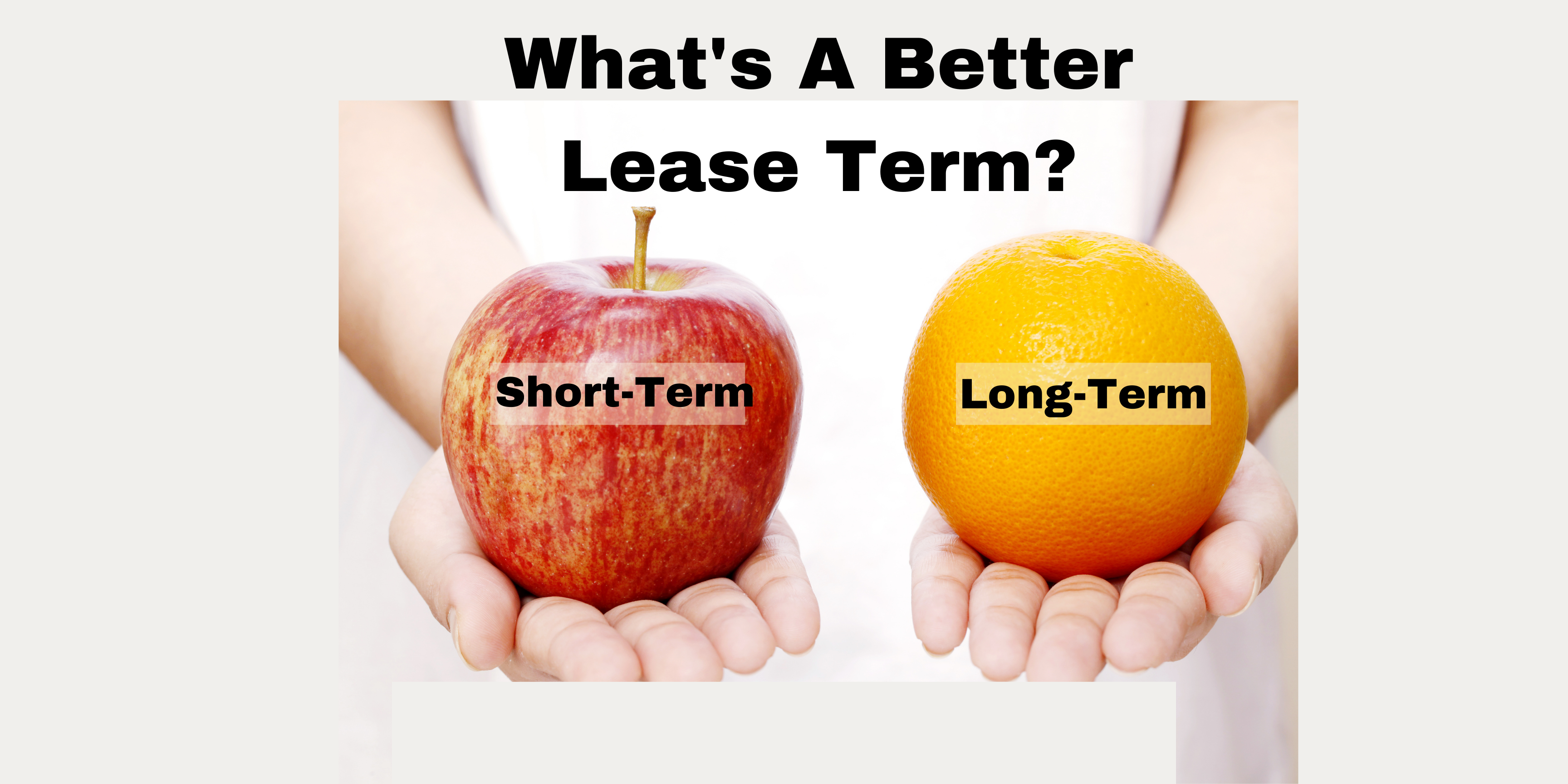
Landlords tend to have firm opinions on this subject! However, not all rentals are alike. When deciding if they want to manage long-term vs shorter termed leases, these are some factors Landlords need to consider:
- Rental Housing Type: single-family homes vs. multi-family units.
- Location: Downtown living is much different than living in the burbs.
- Financial Outlook: Is this rental a long-term hold?
- Time to Manage: Another 9-5 job, age, and team dependability are factors.
Let’s take a deeper look into each of the above points.
Rental Housing Type
The Single Family House
Single-family homes seem to be a common first step for entering the real estate investment market. The upside to owning a single-family home is that when renters move in, they are likely to stay put until they save enough for a home of their own or need to move out of the area. The idea of having a garage for the hot-rod and a yard for the kids and dog to run around in is appealing. As landlords, you can also usually require a longer lease upon entry, typically two years. Note: if you select this option, do yourself a favor and build an automatic rent increase of at least 5% (or max rent control allows) after the first year.
The downside is that once you sign them into a long-term lease, it is challenging to get them out. Now, this will depend on if your rental is in a tenant-friendly state, how well you vetted their application, and how detailed your lease is. Let’s look at the following scenario:
Tina the Tenant
This tenant applies to rent your single-family rental. Tina makes plenty of money to cover the rent, has a concrete reason for wanting to live in your neighborhood, has excellent credit, and positive previous landlord referrals. You don’t even mind that she says she has a sweet little chihuahua. It should be a slam dunk, so you approve her application for a two-year lease because you are anxious to get the income flowing in.

As landlords, we know it is impossible to keep our best tenants forever, but it’s certainly worth trying! Some tenants only stay a short while. Be it new to the area and not sure what part of town suits them best, a recent change in relationship, or maybe they are saving to purchase a home of their own, but some tenants prefer to rent for the long haul. Below are some landlord tips on how to improve tenant retention in your rental property.
Tenants come and go, but if we treat them well, they might think twice before deciding to move on. Along with having a solid lease and doing regular inspections, we recommend the following tips to create a professionally run rental property business that makes tenants feel secure and confident about living in your property long term.
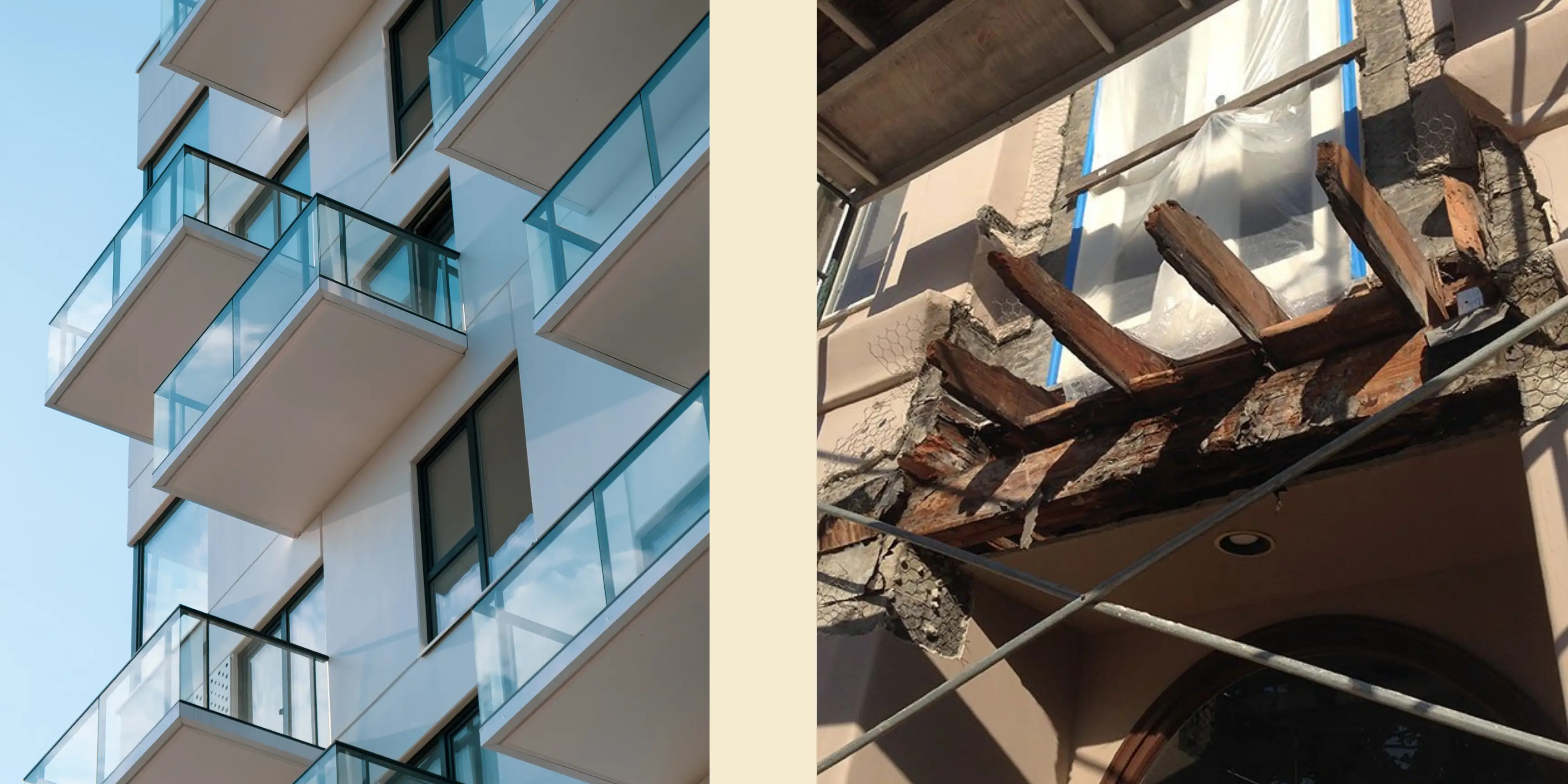
Effective September 2018, California enacted Senate Bill 721, the Deck and Balcony Law. This law came about after six college students died from a dry rotted balcony collapse in Berkley, California. The following information pertains specifically to California rental property owners. However, deaths and injuries from unsafe decks and balconies are happening everywhere and ALL landlords should be aware of the standards and how the Calif. deck and balcony laws affects your rental property, regardless of what state it resides in.
California Landlords Whom This Law Pertains To
The holiday season is upon us! Where this is a busy time of year, it’s always nice to remember those who rent from you. Isn’t the true meaning of the holiday season to share the spirit of community and humanity? Whether you have one single family home rental or several multi-family units, here are 5 ways to show your tenants kindness during the holidays:
Remind them about options for package delivery
Between Black Friday and Cyber Monday your tenants may be getting a lot of packages delivered. If you have a leasing office and packages are delivered there, have your staff create a quick email/text template to let tenants know their package has arrived and is waiting for them to pick up.
If packages are delivered straight to their doorstep, maybe send an email prior to the holidays reminding them that theft is on the rise and to consider asking a neighbor to grab them if they will not be home soon, sending them to a friend or someone with a secure doorstep who will be able to bring them in to safety on their behalf. Another option is to recommend them using a shipping locker that is available at most grocery stores. The company sends them a code to scan when they pick it up and the locker opens up with your package safe and sound.
Maintain icy walkways and parking lots
With increased package delivery and guests visiting this holiday season, consider providing your property with a service or the tenant with the proper tools to remove ice where someone can slip and injure themselves. If using a de-icing product, choose pet and environmentally friendly options. This shows them you care and let them know they have nothing to worry about should they have a 4-legged friend living with them.
Part of owning any business is keeping your paperwork in order. For rental properties, it is imperative to know where every document is located. It does not matter if you prefer paper trail or electronic files. What does matter is keeping your rental property documents, photos, and records organized.
Documents You Need For Each Unit
We have one file for every tenant. In this file, we keep:
- All documents used to process their application.
- Signed lease copy with addendums.
- All maintenance requests. Plus notes on who, what, and when maintenance was performed.
- Papers and notices served.
- Inspection reports, photos, notes on conversations with the tenant about lease violations found.
- ALL documented correspondence between you and the tenant, including emails, text conversations, and notes written about personal conversations.
- Photos: before move-in, inspections, all maintenance requests, and final move-out inspection (or link to digital file)containing these.
- Move-out security deposit disbursement papers with the tenant’s forwarding address.
If you keep a combination of paper and electronic files on each tenant, make sure you notate the location of electronic files (photos, scanned leases, etc.), plus passwords in case someone else needs to take over management unexpectedly.
How to Organize Documents For Each Property
Tenants come and go, but keeping your rental property documents organized is an essential business practice. With that said, it is also important to have separate, organized files that pertain to each property you own.
If you prefer the paper file method, choose a file drawer/box or accordion folder and create monthly files for receipts. Include receipts for all expenses like completed contractor work, paid utility bills, and maintenance supplies specific to THAT property. The organization of your expenses will make your bookkeeping at the end of the year much more manageable. If receipts pertain to items specific to a tenant (repairs made they must reimburse for), make a photocopy and place it in their file as well.
Good Options for Electronic Receipt Filing
We have found Expensify or SmartReceipts are most highly regarded for electronically storing and organizing receipts, especially when on the go.
Expensify is great on the go. You can snap a photo of the receipt with your phone, and it will pull out the vital information needed (Business name, date, amount, etc.) and save it in your cloud. You can also link it with your credit card for easy downloads of receipts and bookkeeping software like QuickBooks.
SmartReceipts is another convenient option for turning your phone into a scanner. Here are the top benefits of this app:
- Customize PDF, CSV, or ZIP format reports you can export
- Free and open source
- Take receipt photos or import them from your photo gallery
- Tag receipts you’ve captured with metadata to help you find them later
- Track your mileage during travel
- Sync your receipts and reports with Google Drive
- It has an OCR feature to recognize text from your scans
Included with your receipts, you should have a copy of your rent roll. This tool is a monthly statement of what rent and income you earn per property. Typically your bookkeeping software provides this, or you can create a spreadsheet to track it. Having all of your income and expenses in one place makes it easy to evaluate the value of the property and the returns on your investment.
For documents and items that have no time stamp, consider using a binder to store:
- Warranties on machines.
- Maintenance logs (to record when you serviced appliances last)
- List of all makes and models for appliances and HVAC units.
- Back-up keys for units, mailboxes, gates, garages, etc.
- Copy of the updated declarations page for your liability insurance.
If you are more electronically inclined and prefer access to your files from any device, we recommend creating a Google Doc or using Evernote to store the above files in the cloud. The ability to share these files with maintenance personnel from anywhere is worth it. Back-up keys may be an issue, but many units are switching to an electronic key entry, so needing key copies may no longer be a consideration for some. Are you beginning to understand why keeping your rental property documents organized is an important business practice?
Businesses should have Operations plus Policy and Procedures manuals.
An Operation Manual
This manual describes all of the essential practices for operating your rental property business. Additionally, it should explain the following: