

Listen On:


Managing rental properties comes with a big decision: should you handle everything yourself or hire a property manager?
In this episode, Stacie Casella and Kevin Kilroy share the real pros and cons of self-managing versus outsourcing — from cost savings and control to the realities of late-night calls, legal paperwork, and burnout. Together, they discuss how each option fits different lifestyles, investment goals, and seasons of life.
You’ll hear stories from their own experience managing a Sacramento 6-plex, a long-distance four-plex in Idaho, and everything in between — plus practical tips to help you make the best decision for your business.
Whether you’re a new landlord just starting out or an experienced investor scaling up, this episode will help you confidently decide which management style supports your goals.
Discussed in this episode:
- The biggest benefits of self-managing rentals
- When hiring a property manager makes sense
- How to evaluate your time, personality, and comfort with risk
- Real examples from Stacie and Kevin’s portfolio
- Recommended landlord tools and software for both approaches
🔗 Links & Resources Mentioned
Listen to Episode 39: 50+ Must-Ask Questions When Hiring a Property Manager, Pt.1
Listen to Episode 40: 50+ Must-Ask Questions When Hiring a Property Manager, Pt.2
Listen to Episode 79: Accounting Software Options for Real Estate Investors
Listen to Episode 84: Tenant Screening Software, What Landlords Need to Know
Listen to Episode 106: The Benefits of Being a Digital Landlord
Connect with Us:
🌎 Visit our website
📧 Subscribe to our newsletter.
👆Click this LINK to select from our FREE Landlord Forms and Doc’s
🤳Text Us SMS text to 650-489-4447. We love questions and love letters, hate mail not so much!
📩Email us at: Stacie@YourLandlordResource.com, Kevin@YourLandlordResource.com
✔️Course Waitlist: From Marketing to Move In, Place Your Ideal Tenant
📱 Follow us on Instagram, Facebook, & join our private Facebook group
🎧 Listen & Subscribe on Apple Podcasts, Spotify, or your favorite podcast app
Check out samples of our newsletter👇 If you love it, you can subscribe from there!
*This post contains affiliate links. We may earn a very small commission (at no additional cost to you) if you purchase from here. These small commissions are to benefit our business so thank you for your support.

Listen On:
Ever feel like you’re running a marathon but you can’t remember why you started running in the first place?
That was our entire 2025. Between two destination weddings, a home renovation that went 300% over budget (with roofers literally falling through our ceiling THREE TIMES), rental property turnovers, portfolio decisions, and trying to be present for our aging parents and adult kids—we were completely burnt out.
In this raw and honest episode, we’re pulling back the curtain on what really happened, why we had to hit pause on the podcast, and what we learned about saying no, setting boundaries, and protecting our time as landlords and business owners. We’re talking about the seven-plex we walked away from, the winter vacancies we’ll never do again, helping our son with his first rental property, and why our 2026 word is RESET.
If you’ve been feeling overwhelmed or like your rental business is running you instead of the other way around, this episode is for you. Let’s talk about what really matters.
What You’ll Learn in This Episode
- Why walking away from deals can be the smartest investment decision
- Real costs of home improvement projects (and why you should always add 40%)
- When to say no to opportunities that don’t align with your operating standards
- Strategies for rental turnovers during difficult seasons
- Why renewal strategy matters more than ever in today’s market
Connect with Us:
🌎 Visit our website
📧 Subscribe to our newsletter.
👆Click this LINK to select from our FREE Landlord Forms and Doc’s
🤳Text Us SMS text to 650-489-4447. We love questions and love letters, hate mail not so much!
📩Email us at: Stacie@YourLandlordResource.com, Kevin@YourLandlordResource.com
✔️Course Waitlist: From Marketing to Move In, Place Your Ideal Tenant
📱 Follow us on Instagram, Facebook, & join our private Facebook group
🎧 Listen & Subscribe on Apple Podcasts, Spotify, or your favorite podcast app
Check out samples of our newsletter👇 If you love it, you can subscribe from there!
*This post contains affiliate links. We may earn a very small commission (at no additional cost to you) if you purchase from here. These small commissions are to benefit our business so thank you for your support.
Estimated reading time: 0 minutes

Listen On:
In this episode we’re digging into a trend — renters are moving less than at any point in the last 40 years, and whether you manage one unit or ten, this affects your strategy, revenue, and renewals in a big way. So, Kevin and I are unpacking what’s behind the sharp drop in renter mobility and what it means for your business.
We talk through why renewing a lease is cheaper than moving, why ownership remains out of reach for many renters, and how construction slowdowns and underbuilding are freezing vacancy chains. We also break down demographic shifts — from long-term renters in their 50s+ to younger renters relocating less because of job instability and cost-of-living pressures. Climate migration plays a surprising role too — many renters want safer living locations but can’t afford to relocate, which means staying put longer than ever.
Most importantly, we share practical strategies to help you adapt: improving renewal conversations, creating predictable systems, using landlord software, and screening wisely to prevent fraud. Longer tenancies can be great — but only if you proactively manage communication, planning, maintenance, and rent increases.
If you want to run your rentals like a real business — with professionalism, confidence, and systems — today’s episode is packed with insight you can put to work immediately. Let’s go!
⭐ What You’ll Learn in This Episode
- Why renter movement is at a 40-year low
- The economic and housing trends freezing mobility
- How underbuilding affects turnover
- Why renewals and communication matter more than ever
- How to plan for longer tenancy cycles and stable revenue
🔗 Links & Resources Mentioned
Listen to Episode 2: Improving Tenant Retention and Renewals
Smart Move Tenant Screening
Tenant Alert Tenant Screening
Connect with Us:
🌎 Visit our website
📧 Subscribe to our newsletter.
👆Click this LINK to select from our FREE Landlord Forms and Doc’s
🤳Text Us SMS text to 650-489-4447. We love questions and love letters, hate mail not so much!
📩Email us at: Stacie@YourLandlordResource.com, Kevin@YourLandlordResource.com
✔️Course Waitlist: From Marketing to Move In, Place Your Ideal Tenant
📱 Follow us on Instagram, Facebook, & join our private Facebook group
🎧 Listen & Subscribe on Apple Podcasts, Spotify, or your favorite podcast app
Check out samples of our newsletter👇 If you love it, you can subscribe from there!
*This post contains affiliate links. We may earn a very small commission (at no additional cost to you) if you purchase from here. These small commissions are to benefit our business so thank you for your support.

By Jason Jones
Exclusions outline what your insurance policy does not cover. Carriers often exclude costly risks like earthquakes or those deemed the owner’s responsibility, such as wear-and-tear or mold. Insurance covers sudden, accidental damage, not gradual or preventable issues.
Knowing which losses are typically excluded helps clarify retained risks and prevent coverage assumptions. Some exclusions can be bought back by endorsement or separate policy.
Standard homeowners policies often exclude business-related losses, including those resulting from rental activities. Investors must have a policy designed specifically for investment properties to ensure proper protection.
Wear-and-Tear
Normal wear and tear is expected from regular use. As an investor, you should be prepared to pay for carpet cleaning or a fresh coat of paint between renters. Wear-and-tear and deterioration are industry-wide exclusions. These small “repairs” can be covered by the security deposit or accepted as the cost of doing business.
Intentional Tenant Damage
Many investors assume that any damage done by a tenant will be covered by their property policy. Intentional tenant damage is usually a sudden, one-time event and may include damage such as broken doors, missing appliances, or spray-painted walls. Damage done by tenants is typically excluded and not considered vandalism or theft to most carriers as you have a lease entrusting the tenant with the care of your property. That contract should stipulate penalties for misuse of the property, whether that be withholding the security deposit or filing a civil lawsuit.
Mold & Fungus
Standing water from floods, backups, etc. can cause mold within 24-48 hours. Coverage for mold, mildew, and fungus is typically completely excluded or very limited. As insurers differ, policy language may mention “mold,” “organic pathogens,” “mycotoxins,” or “penicillium.” Policies may also exclude wet/dry rot and bacteria. Some courts of law treat mold as a pollutant. As such, mold may not be covered if the policy has an absolute pollution exclusion. Mold can damage building materials and affect tenant health.
Sewer & Drain Backup
Tree-root blockages or clogs may cause sewage to back up through drains in the home. This water backup or overflow from a sewer, drain, or sump is typically excluded from standard property policies. For these losses to be covered, you’ll need to purchase a Sewer & Drain Backup endorsement.

A landlords one stop shop for tenant management…for FREE
You can’t beat free and the only time you pay is if you want to purchase a lease or have expedited rent deposits. Most everything else costs zip, zero, zilch.
Natural Disasters: Earthquake, Sinkholes & Flood
Standard property policies typically exclude damage from earthquakes, sinkholes, and floods due to their catastrophic and unpredictable nature. However, coverage is often available for all three through an endorsement or separate policy. Flood damage must come from an external source, such as overflowing rivers or heavy rain, not from internal plumbing or sewer systems. Most also exclude surface water, tides, waves, and overflow from any body of water.
Faulty Workmanship
Most policies exclude coverage for damage resulting from faulty structural work, like deck support failure or other construction defects. Even if a renovation property is properly insured under a Builders Risk policy, carriers typically exclude Faulty Workmanship to prevent overlapping coverage. Instead, any damage or negligence caused by a contractor’s workmanship should be covered under their own policy.
These exclusions reflect common limitations in standard investment property policies.

Did you enjoy this article?
This is an example of what is included on our FREE weekly newsletter, Landlord Weekly.
Subscribers get access to our free forms, email templates, and guides! As well as…
▪️Landlord Tips ▪️ Early Access to Our Blogs ▪️ Landlord Specific Articles by Other Industry Pro’s ▪️ Podcast Links
To check out a sample of our newsletter, click one of the links below👇

By Kristi Mergenhagen
If you decided to make the decision to rent out your house, there’s a lot you need to consider. While a lot of people go with using an agent, we wanted to talk with you about everything you need to know about renting your house without an agent.
While using an agent might make the entire process easier, it’s a lot more expensive and can be harder for you to actually rent out your home. Below we’re going to talk about reasons why you shouldn’t necessarily go with the real estate agent to rent out your home and how you can do it without one the easy way.
Why You May Not Want To Use An Agent?

So, why should you not use an agent when renting out your home? Are there certain things you need to be aware of? Will this cost you way too much money and mess up your budget? Let’s talk about a handful of reasons why you may not want to use a real estate agent for this very purpose.
Limited Services
If you’re putting your home on the market for potential renters to see, real estate agents will only use the multiple listing service. This is a service that is only accessible by real estate agents and is, often times, the only service that they use to find housing that’s available.
When a landlord uses the multiple listing service to look for rental properties that are on the market, they’ll miss everything that’s available from a landlord that’s not using a real estate agent. This makes it so that there are very few options available, and your home may not be one of them.
When you’re renting your home, you want to post a listing just about everywhere possible so you can find the best tenant there is available. Using an agent that also uses the multiple listing service will prevent this from happening.
On that same note, if you were the one looking for a home to rent, you are more likely to see better properties available just by looking at real estate sites online on your own.
They Cost A Lot
Just like landlords, real estate agents expect to get paid. They’re usually found working with people who are buying or selling their homes. When you hire a real estate agent, you have to pay them by giving them a percentage of what your home sells for.
This can add up to tens of thousands of dollars, depending on what your home sells for. Since the housing market is so accessible by prospective tenants and landlords alike, it’s almost pointless to hire a real estate agent that will only end up costing you money.
Similarly to selling your home through a real estate agent, if you want to rent out your home with one, you’ll end up paying a percentage of the rent you receive to the agent in the form of a fee for finding a tenant and possibly fees for “managing” the tenant.
A lot of the time tenants will look for future housing on their own, which takes out the purpose of a landlord or homeowner even needing to use an agent in the first place.
They May Not Want To Work With You
When it comes to real estate agents, it can actually be hard to find one that will help you rent out your home. Most of the time, real estate agents are looking for a property that is for sale, not for rent.
They also may not want to work with you because they may require a real estate agent commission. Most landlords don’t want to pay this commission, as it’s not really necessary. You can easily find someone to rent your home without needing to pay extra money.
Doing More Bad Than Good
If you’re a landlord, chances are you’re already well aware of how much houses and rental units go for in your area. When you put a real estate agent into the mix, they’ll tend to want to negotiate rent prices and will oftentimes have the tenant pay a lower rent than you’re wanting to receive.
As a landlord, you’re likely not looking to negotiate on rent prices. Doing that on top of paying a commission for a real estate agent just sounds like a big waste of money to us.
How To Rent Without An Agent?
So, with all that being said, how exactly do you rent your home without using a real estate agent? While it is a lot cheaper to do so, there are some things that you need to be aware of. There are certain concerns that can come up when you’re renting out your property.
Looking For Tenants
Whether you’re using a real estate agent or not, the first thing you want to do is look for prospective tenants. It’s important to note that not all tenants are good tenants.
You can easily post your home for rent across sites like Trulia and Craigslist. You can have people fill out an application right from the advertisement. You’ll also be able to complete background and credit checks if needed.
There is even software you can download that will post your rental property for sale across multiple sites with the click of a button. This saves you time, energy, and possibly money.
If you were to hire a real estate agent, they would do this for you. But it’s not a lot of work and it’s fairly easy. Why not do it yourself and save some money in the process?
Create An Inventory

Now, let’s say you found a great tenant to rent your home. This can be an entire family, multiple college students, or a single person looking to rent their first home.
Your next step is to prepare an inventory (or a move-in, move-out checklist). This isn’t necessarily mandatory, but you should create one as it can help you in the long run. When renting your home, an inventory will form the basis of any claim you have for the deductions from the deposits which you’ll need to go through and also take photos of before anyone moves in.
You can do this yourself or you can allow your letting agent to do it for you. Be sure that all deposits are kept with a deposit protection scheme by making sure that you give the tenant the paperwork that is needed legally.
You also have the option to register the deposit yourself. If this sounds like a route you’d like to take, consider talking to an online letting agent.
Becoming A Landlord
Being a landlord comes with a lot of perks, especially when you’re renting out your own home. When you’re a landlord, you won’t have to pay a monthly fee for a letting agent to manage your property.
This can save you a lot of money over time and you’ll probably learn a few things along the way. That being said, there are some things that are required of you as a landlord.
You’ll always need to make sure that rent is collected, repair or hire someone to repair anything that needs fixing, make sure that the property is safe and livable, and you’ll also have to check the property every 3 to 6 months for current conditions.
Renting out your own home is a great way to bring in some extra cash while still getting the mortgage paid off. As long as you make sure that you find tenants that will pay rent on time and take care of the property, it should be a success.
What It Will Cost You
So, you know that by not hiring an agent you’ll save a lot of money, but this doesn’t mean you won’t spend anything. Being a landlord comes with a lot of requirements that you wouldn’t have if you were to use an agent.
One thing to note is that being a landlord can be quite time-consuming. You might have maintenance requests that pop up at the last minute, you may need to work late on weekends, or you might even find yourself working on a holiday.
A lot of the times being a landlord can take you away from important family time and there can be blurred lines between personal life and work. It may be good for you to know, but you can hire a maintenance staff to take some of the burden off of you.

Make your business an LLC
Structuring your business as an LLC can bring important advantages: It lets you limit your personal liability for business debts and simplify your taxes. Here, you’ll find the key legal forms you need to create a single-member or multi-member LLC in your state, including:
- LLC articles of organization
- Operating agreement for member-managed LLC
- Operating agreement for manager-managed LLC
- LLC reservation of name letter, and
- Minutes of meeting form
Form Your Own Limited Liability Company has easy-to-understand instructions, including how to create an operating agreement that covers how profits and losses are divided and major business decisions are made. You’ll also learn how to choose a unique LLC name that meets state legal requirements and how to take care of ongoing legal and tax paperwork.
Tips And Tricks For Renting Your Own Home
Whether you can’t find a buyer, or you’re just deciding to rent out your home, we wanted to include some tips and tricks for making the entire process as easy and as stress-free as possible.
Pricing Rent Adequately
Depending on your personality, you might feel like you shouldn’t charge that much for rent. It’s important when you’re a landlord to know that you have to make some money. This is why it’s crucial to price your rent according to the area the property is in.
Let’s say you live in Saint Paul, Minnesota. You’ll find that a neighborhood like Highland Park is going to have much higher rent prices than that of a neighborhood like Midway.
If you have a house for rent in Los Angeles, you’ll need to charge more for rent if it’s located downtown, rather than in the outskirts such as Irvine. But how do you know how much rent is for the area you have a property in?
There are a number of ways you can check this; you can look online and see what similar properties are going for, or you can ask around. You may also call real estate agents and see what they would charge a renter for a home like yours.
As long as the mortgage is covered and there is a little on top for you to make an income, you should be good.
Properly Screening Tenants
You already read a little bit above about what it takes to find the right tenant. We want to encourage you to take a few important steps when it comes to finding the perfect tenant.
It is absolutely crucial to perform a background check. This will show you a lot of information about the prospective tenant and can help you decide whether they are a good fit or not.
You’ll also want to pull a credit report. You can easily do this on your own by researching information through credit reporting agencies such as Equifax or Experian. It is important to note that you’ll want to follow the Fair Credit Reporting Act or FCRA when doing so.
On top of that, you’ll want to check their criminal history. Some information may come up related to their criminal history on their background check, but it’s important to do both. You can search state as well as local records online or you can find an agency that will do it for you to get you the information you need.
Lastly, it’s important to check references. This can be something as simple as contacting their employer to see how long they’ve been working there. You can also check references by calling the prospective tenant’s previous landlords and hearing what they have to say.
Writing A Lease
Another thing that is absolutely crucial to do when you are renting out your own home is to have a written lease. Normally, if you were to have an agent, they would help you with this part, but without one it’s up to you to do it.
When you have a lease, it needs to include some specific information so that you and the tenant are on the same page. We’ve included some of the basic things that should be in the lease below:
- How long the lease is or the lease term. This can be month-to-month, 6 months, 9 months or 12 months. As a landlord, the lease term is up to you.
- A security deposit as well as first and last month’s rent
- Rental due dates
- Any additional fee information
- Additional charges such as a parking space
- Who’s responsible for what repairs
- A list of all tenants
- What upkeep the landlord is responsible for, such as lawn care
- Any rules that the tenant needs to follow
- Eviction terms that are clear to understand
- Any pet-related information or rules
- The dates the lease is active
- Anything related to HOA fees
It may seem like a lot of information, but you’d rather have things covered and communicated than not. A lease is a legally binding contract that you and the tenant are required to follow and that is there for the protection of both
Have House Insurance
Another crucial step to renting out your home without an agent is to protect your home with the correct insurance policy. This will be a different policy than the one you had when you were living there.
When you lived in your own home, your insurance was a homeowner’s policy. This will cover things like the structure of the home itself, any damages that may occur to the home or within the home and any belongings that you have inside the house.
When you rent out your home, you’ll need rental home insurance instead, also known as fire insurance. This is absolutely necessary and can save you a lot of money and potential lawsuits in the long run.
Rental home insurance will cover the structure of the house, legal costs, loss of rental income if your tenant doesn’t pay, repairs and fixes along with any medical expenses that may be required.
In addition to you having rental home insurance, you may want to charge a fee for your tenants to have renters insurance or advise them to get renters insurance on their own. This will help to cover their belongings in case something bad were to happen to or within the home.
Hiring Staff
You read a bit about how hiring your own maintenance team can be incredibly helpful. These are employees of yours that will fix repairs if needed and handle all the on-property needs.
You may also want to hire a management company. They will help you not only to find a tenant, but they’ll perform all the tenant screening procedures that are required. This will also keep you emotionally distant from the tenant, which may come in handy if you need to evict them.
Hiring a management team will ensure that you get the rent every month and that your tenants treat your home with care. Whether you’re hiring a maintenance employee or a property manager, it’s important to know that these cost money and will decrease your monthly income.
Be Aware Of Eviction Laws
Lastly, you need to be aware of the eviction laws for your state. If you need to evict a tenant, you’ll likely need an attorney. Sometimes the tenant won’t leave willingly, and you can’t just go into the property and remove them yourself.
The laws vary quite a bit from state to state, so it’s important to be aware of the laws and regulations for where your property is. You should also be aware of the reasons why you can evict someone along with what’s not considered an offense that can lead to eviction.
Eviction can make things quite awkward; if you have the chance, sit down with your tenant and have an adult conversation. Tell them you understand what they’re going through and give them the opportunity to pay rent within a certain number of days or you’ll file an eviction lawsuit.
Let them know that an eviction lawsuit can ruin their credit score and any possible chance for them to get a loan or mortgage in the future. Be kind when doing this, but also be stern and straightforward.
Final Words
Hopefully, this has taught you everything you need to know about how to rent your house without an agent. It may require a bit more work on your behalf, but it will also save you a ton of money in the long run.
Renting out your home is a great way to make extra income each month. There are plenty of things you can do to take some of the responsibility off your shoulders, such as hiring a maintenance employee.
Make sure you’re aware of all eviction laws and that you have everything covered in the lease. Also, be sure that the tenant has read the lease and has the option to ask questions if they have any about the lease.
Whether you hire a real estate agent to help you rent out your property is up to you as both situations (renting with the help of an agent and without one) have pros and cons you need to weigh up.
Did you enjoy this article?
This is an example of what is included on our FREE weekly newsletter, Landlord Weekly.
Subscribers get access to our free forms, email templates, and guides! As well as…
▪️Landlord Tips ▪️ Early Access to Our Blogs ▪️ Landlord Specific Articles by Other Industry Pro’s ▪️ Podcast Links
To check out a sample of our newsletter, click one of the links below👇
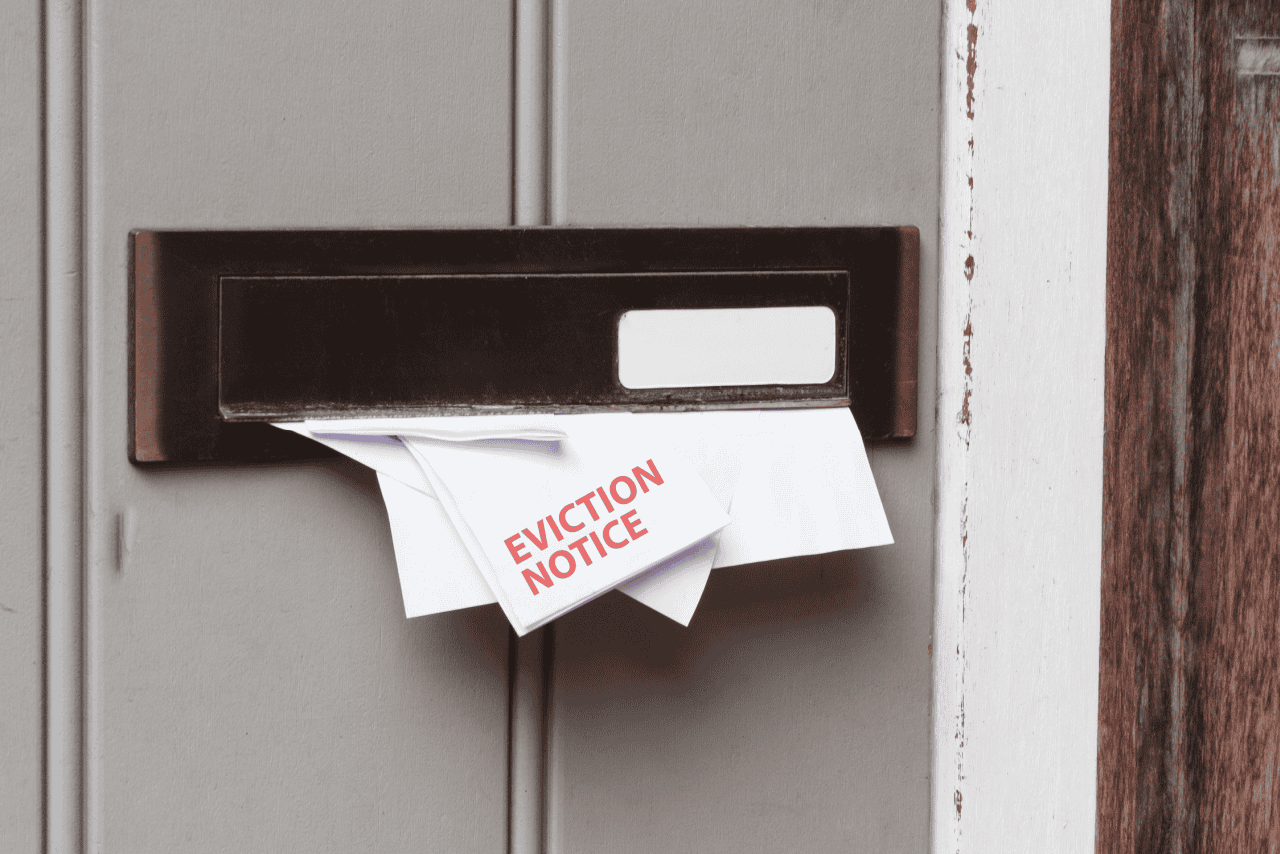
By Allie Militello
There’s one word all experienced landlords have come to fear: eviction.
Nothing is worse for a landlord than going through the long and expensive process of evicting a tenant. Many landlords hope to avoid this nightmare by performing an eviction records search on their potential tenants. But, how do you make sense of the results for someone who has never looked at eviction records?
According to TransUnion, the total eviction-related expenses for property managers averages $3,500. Unfortunately, that’s money that could have been in your pocket had you not had a tenant that broke the lease, didn’t pay rent and more.
Checking eviction history before you rent to a new tenant is a key part of choosing the right tenants who will be long-term, profitable renters. Renting to those with a long eviction history will cause more grief, so learning how to avoid that situation is essential.
In this post, we’ll review how to examine an eviction report, where to find eviction records and more.
Why Is An Eviction Record Search Necessary?
Before we get into the details of how to check eviction history, you may still be curious about why this check is necessary.
Simply put, people tend to have patterns of behavior. If a tenant has been evicted from a property one time before, this shows that they may find themselves in the same situation again in the future.
If they’ve been evicted multiple times, you can be all-but-sure that they will be a difficult tenant to work with.
Eviction only occurs in the most serious of cases. There are times when a tenant does so much damage to property or simply refuses to pay their rent, and those are the times when an eviction occurs.
If a potential tenant has a history of eviction, you will want to consider their profile much more carefully before even considering renting. If you don’t, you’ll be putting yourself and your business at risk.
What’s Included In An Eviction Report?
An eviction records search results will include basic information about the filing. The record will consist of the defendant or the tenant’s full name, the name of the plaintiff or property owner, the address of the property, the dates that the eviction was filed, the location of the court the eviction was filed with as well as the outcome of the eviction proceedings.
At RentPrep, we ensure that any eviction record that returns from a search matches the correct applicant. We verify any records that return with the name and address provided by the eviction record and compare that with the information provided by the landlord to ensure that the information in our reports is as up-to-date and accurate as possible.
How To Look Up Evictions
You must know how to look up evictions, especially when it comes to legality.
Eviction Lookup Method 1: Court Records
The most direct and thorough way to determine if a potential tenant has a eviction history is to check court records. Every state, county, and area may have different courthouses, and so it may seem impossible to find out if this tenant has ever done wrong before.
First, find your state’s website.
Court records can be searched by state. Use this resource to find your state’s website, which can be used to search court records. Each state may have multiple websites that can be checked for various home-related issues, so be sure to check each one thoroughly.
Second, search the names.
Once on the court records website, search the potential tenants’ names to find out if they have any eviction records in their past.
You will want to be sure you are thorough and check more than just the main name they gave you on their application. In addition to their currently used name, check the following names:
- Birth name
- Nicknames
- Alternate names
- Names with or without initials
- Name before or after marriage/divorce
By ensuring you check every combination of their name you can come up with, you will be able to make sure there aren’t any records you are missing.
Third, get access to the record.
While you cannot view the full record for eviction cases in every state, you can get a thorough briefing or full access in most states with this type of case.
It’s essential you actually view the eviction case. Don’t let the presence of an eviction case cause you to write off a potential tenant.
In some cases, bad landlords try to wrongfully evict a tenant, and this would still cause an eviction case to be present in the person’s history.
While learning to check eviction records, you must consider the meaning of every result you find in your search to give every tenant a balanced chance.
If you cannot view the record online or travel to the courthouse in person, call them to see if you can pay a copy fee to have a case record mailed to you.
Eviction Lookup Method 2: Hire A Third Party Service
As you can see, doing the work of finding the right courthouse, checking every name that the tenant may have used in the past, and collecting the full court information can be quite the task.
Plus, you may not know what states your potential tenant has lived in during their life!
Because figuring out how to check eviction history can be quite complicated, several services include eviction checks as part of their tenant screening services. A screening service can do a national eviction search thoroughly and effectively. The screening services often come back including credit information so you can make a comprehensive and well-informed decision about future tenants.
If you aren’t experienced or confident in your ability to research every potential tenant, it may be time to use a screening service to help you narrow down the list of maybes to find the perfect renter.
For Tenants: How To Check If You Have An Eviction
Are you a tenant hunting for an apartment? Wondering how to see if you have an eviction on record that might negatively affect your chances when applying for an apartment? Thankfully, doing this is just as easy for you as for landlords.
In fact, you can use the exact same methods outlined above to find out if you have anything negative in your rental history. Landlords use these techniques, so it makes sense for you also to use them!
The ultimate way to ensure you know how your records will show up for a landlord is to ask what screening service, if any, they use. You can then check via this same third-party service to see your record.

Online tenant screening for property owners
TransUnion’s Smart Move is FCRA compliant and provides Tenant screening reports in 4 easy steps. Just create a FREE account, enter applicant information, select which reports you want, and select who pays!
No subscriptions: Enjoy free membership with SmartMove’s pay-as-you go tenant screening. Only pay for the reports you need.
Fill your property vacancies quickly. Reports are often back to you within minutes of paying and submitting the order.
Choose who pays, you or the applicant!
Get critical info from a trusted source. TransUnion is one of the three major credit reporting agencies in the United States.
How To Understand Eviction Search Results
We may not be able to understand what exactly led to the eviction being filed, but we can learn the results of the court proceedings from the record. The final disposition provided on an eviction record will give us more information regarding the outcome of the eviction filing. It is important to remember that an eviction filing does not always mean that the tenant was forced to vacate the property.
Civil New Filing Vs Judgment Vs Restitution of Premises
Common dispositions, or final outcomes, include civil new filing, judgments, or restitution of premises.
When the outcome on the record is “Civil New Filing,” the case was either canceled or dismissed. There are many reasons why the eviction proceedings could have been dropped. For example, the tenant may have paid past due rent that was owed, or they have agreed with the landlord or property manager outside of court, causing the eviction filing to be dropped.
If the eviction proceedings end with a judgment, the eviction was filed in favor of the landlord. In this case, the court has ordered that the tenant must pay the landlord money for rent owed and/or for any damage done to the property.
Sometimes referred to as a default judgment, this outcome occurs when the tenant fails to appear in court or respond to the eviction summons. “Restitution of Premises” is the outcome that most landlords hope for when filing for an eviction. This means that the judge has ordered the tenant to be removed from the property and full ownership is returned to the landlord. The judge will then order the tenant to vacate the property within a given time frame.
Cons Of Running Your Own Search
If you choose to run your own eviction search, be wary of where you receive the records from. Specifically, with services that offer automatically generated reports, you’ll want to be extremely careful that the records belong to the correct person and can be legally used in the adverse action process should the results lead you to deny a tenant.
Typically, the information provided on an eviction record includes the applicant’s first and last name and the property’s address. You’ll want to ensure that your applicant is the only person who has lived at that address with that name to ensure the eviction record belongs to them. This step is crucial if the applicant has a common name.
Remembering that eviction records can only be reported within seven years of filing is also essential. Any eviction records older than 7 years cannot be used in the decision to deny an applicant.
To avoid any confusion or any potential legal trouble, we recommend using a service with FCRA screeners to search eviction records for you. At RentPrep, we hand-compile our reports to ensure that any information is accurate and is compliant with all state and federal laws. Our screeners are all FCRA certified, meaning they have the knowledge and expertise to ensure that the results in our reports can legally be used in the decision-making process.
How To Look Up Evictions FAQs
Are Evictions Public Record?
Yes, evictions are added to the public record after they are filed with the court system. Whether or not the full details are readily available depends on what state the report was filed in, but all evictions will show up in some way on public records. Depending on the case’s final judgment, it may also appear in criminal background checks.
Generally speaking, however, eviction records do not appear in a credit report as of July 2017. This is why many landlords do separate eviction history checks in addition to a credit report.
How Can I Check If I Have Evictions On Record?
The best way to check if you have evictions on record is to go through the steps outlined above. While the technique was written with landlords in mind, you can use the same technique to check your own information. Here is a simplified step-by-step:
- Use this website to find your state’s court data system.
- Search your name and any aliases you have used to see if any evictions appear.
- If evictions show up, you can contact the court to view the full eviction details to see what the documents actually say.
Another way to check if you have any evictions on record is to request a full tenant screening report on yourself or even a criminal background screening; these checks may include evictions in some cases.
RentPrep’s services are intended for landlords to run background screening on potential tenants and should not be used to check for your own personal eviction history. If you’re interested in searching for possible eviction records, we recommend calling the court you believe the eviction could have been filed with. This could be the county or town court in which the property is located.
How Do You Get An Eviction Removed From Your Public Record?
If you lost the eviction case in court, there is no way to have the court records expunged from the civil records as the case was valid and fully prosecuted. If, however, you won an eviction case or the landlord dropped it, you can make sure it no longer appears in court records.
If a landlord has ever filed against you for eviction but you won the case or it never went to court, you will want to make sure the records are expunged so they do not appear in eviction report searches by potential landlords.
How Can I Check My Rental History?
If you want to check out what type of rental history report your landlord or potential landlords might be looking at, the easiest way to do that is to sign up with a third-party service and run a report in your own name. This is also how to determine if you have an eviction on your record.
Landlords often use screening services to get a complete and comprehensive look at the rental history of prospective tenants, so this is an easy way to check out your own information. Checking your own information is also an important step to ensure that all information shown is accurate.
How Soon Does An Eviction Show Up?
Evictions typically show up on records within 30 to 60 days; the exact amount of time it takes for these records to appear depends on the court system, the filing agencies, and what types of screening services are being used to check this data.
Do Evictions Show Up On Background Checks?
The term background check doesn’t necessarily denote a specific type of information search; landlords who use the phrase background check typically do both a criminal background check and an eviction history check.
Evictions would not appear on criminal background checks unless an associated charge or misdemeanor had to be settled in civil court. Evictions will appear in an eviction history check for as long as they are on record with the courts; these files are typically on file for seven years.
Checking your credit report for evictions isn’t going to bring back any results; evictions are not included there.
It is common for background checks performed to apply for a rental to include eviction records search. Suppose an eviction record search is performed during a background check. In that case, the record will typically be reported regardless of the outcome, provided that the record is not too old to include in the report.
Do Dismissed Evictions Show Up On Background Checks?
Dismissed evictions should not appear on your background checks, but there are some cases where the paperwork will still be on file with the court system. If the landlord doesn’t read the full document and only sees that an eviction filing exists, this might lead them to make incorrect assumptions about the responsibility of a potential tenant.
Dismissed evictions can be expunged from a tenant’s record as the court would likely find that it is in the interest of justice to remove evictions that were not complete.
Can You Still Get An Apartment With An Eviction?
Many landlords will still rent to tenants with an eviction, mainly if there is a solid reason for that eviction happening or if it was many years in the past. If you have an eviction on your record, it is best to be upfront with any landlords about it, why it happened, and how to avoid any repeat scenarios.
It’s best if the landlord finds out from the tenant rather than from their screening services.
How far back can an eviction search go?
Eviction records can be included on a report seven years after the eviction was filed. Any documents older than 7 years cannot legally be included in a report.
Choose Your Tenants Carefully
Renting out property is about more than just finding someone who is willing to live in your rental. It’s about finding tenants with a good relationship with you and your property.
If you don’t choose tenants carefully and learn how to check eviction records, you could be putting your entire business at risk. All the information gathered in rental applications should supplement your research about each tenant.
Be sure to check for a history of evictions:
- Search courthouse records.
- Consider every possible nickname.
- Hire help for more detailed eviction reviews.
By paying attention to the history of potential tenants, you can make smarter choices about who you invite to live in your rental properties. This decision should include an eviction history, a background check, and credit scores. With all of that information, you’ll be making the wisest choice a landlord can make.
Did you enjoy this article?
This is an example of what is included on our FREE weekly newsletter, Landlord Weekly.
Subscribers get access to our free forms, email templates, and guides! As well as…
▪️Landlord Tips ▪️ Early Access to Our Blogs ▪️ Landlord Specific Articles by Other Industry Pro’s ▪️ Podcast Links
To check out a sample of our newsletter, click one of the links below👇

Provided by Genuine Property Management
As a landlord or property owner, staying on top of your investment’s financial health is essential. Whether you self-manage or work with a property management company, one of the most important tools for tracking income, expenses, and profitability is the owner statement. This document provides a clear overview of your rental property’s financial performance.
Below, we’ll break down what an owner statement is, what it typically includes, how often you should expect to receive one, and why it matters so much for your bottom line.
What Is an Owner Statement?
An ownership statement, sometimes called a landlord statement or property management report, is a document containing a detailed financial summary. It outlines all income and expenses related to a rental property over a specific period. This is a different document than a statement of ownership, which confirms your legal rights over your property.
Owner statements may be generated by a property management company and made available via email or an online owner portal. For landlords who self-manage, creating one can still be incredibly valuable for tracking finances and preparing for tax season.
What’s Typically Included in an Owner Statement?
While the exact format can vary depending on the property management software or company, most owner statements include the following key components:
- Rental Income: This section shows how much rent has been collected from tenants during the reporting period (including revenue from parking, laundry, and other amenities). A rental statement may also note if any payments were late, partial, or still outstanding.
- Operating Expenses: This part outlines all expenses related to managing and maintaining the property. It may include:
- Property management fees
- Maintenance and repair costs
- Utility payments (if applicable)
- HOA dues
- Landscaping or pest control
- Legal or administrative fees
- Owner Disbursements: After income and expenses are tallied, this section shows the net amount disbursed to you—the owner. It may list the method of payment (e.g., bank transfer) and the date funds were sent.
- Reserve Fund Activity: If your management agreement includes a reserve fund (used for emergency repairs or maintenance), your statement will detail any contributions to or withdrawals from this account.
- Itemized Transactions: Some statements provide a line-by-line breakdown of each transaction, including dates, vendors, and descriptions. This level of detail is especially helpful for recordkeeping and tax preparation.

All-in-One Property Management Software For Landlords
Easy to use mobile landlord app with everything you need to manage properties

Rated 4.8 based on 8.7K reviews on iOS
How Often Are Owner Statements Sent?
Owner statements are typically sent monthly, providing a consistent financial snapshot of your rental property’s performance. Most property management companies distribute these reports within the first week of the new month, once all income and expenses from the previous month have been finalized. This ensures landlords receive accurate data on rent collection, maintenance costs, and disbursements.
In addition to monthly rental statements, some landlords may receive quarterly summaries to track broader financial trends or annual owner statements used for tax reporting. These annual reports often include cumulative income and expenses, plus IRS Form 1099 for tax filing purposes.
If you’re self-managing your property, it’s still a good practice to generate monthly or at least quarterly statements. Regular reporting not only keeps your finances organized but also helps you spot patterns, budget more effectively, and stay compliant with tax requirements. Consistent reporting is key to maintaining financial control and transparency over your investment.
Why Owner Statements Are Important for Landlords
Owner statements play a vital role in helping landlords manage their rental properties efficiently. Here’s why they matter:
- Financial Clarity: Track income, expenses, and net cash flow to evaluate the profitability of your rental property.
- Simplified Tax Preparation: Use itemized statements to accurately report income and claim deductions—no need to sort through piles of receipts.
- Accountability: Verify that your property management company is collecting rent, paying vendors, and handling funds properly.
- Performance Monitoring: Spot trends such as rising maintenance costs or consistent late payments, and adjust your strategy accordingly.
- Informed Decision-Making: Use financial data to guide decisions about rent increases, renovations, or expanding your portfolio.
- Professional Recordkeeping: Maintain organized, audit-ready documentation for lenders, accountants, or potential buyers.
Owner statements aren’t just paperwork—they’re essential tools for growing and protecting your investment.
Partner with a Property Manager Who Puts Transparency First
Clear, consistent owner statements are just one part of running a profitable rental business—the right property manager makes all the difference.
Did you enjoy this article?
This is an example of what is included on our FREE weekly newsletter, Landlord Weekly.
Subscribers get access to our free forms, email templates, and guides! As well as…
▪️Landlord Tips ▪️ Early Access to Our Blogs ▪️ Landlord Specific Articles by Other Industry Pro’s ▪️ Podcast Links
To check out a sample of our newsletter, click one of the links below👇

Listen On:
Hey landlords! In this week’s episode of Your Landlord Resource Podcast, we dive into Stop Guessing, Smart Budgeting — it’s time to take control of your rental property finances.
In this week’s episode of Your Landlord Resource Podcast, we share smart budgeting tips for rental property owners that turn your rentals into a confident, well-run business.
Building on Episodes 78 (Bookkeeping & Accounting Tips for Landlords) and 79 (Accounting Software for Landlords), we discuss how self-managing landlords can create a practical budget, forecast expenses, manage reserves, and plan for profit. You’ll learn how to track cash flow, prepare for maintenance and capital projects, and stop reacting to financial surprises.
We also dive into the best tools to help landlords stay organized and in control and explain which ones fit best depending on your portfolio size and experience level.
By the end, you’ll know exactly how to use budgeting as your most powerful business tool — not just to survive, but to grow.
What You’ll Learn
- How to build and manage a rental property budget
- Why reserves matter and how to fund them
- How to plan for maintenance and CapEx
- How to budget for profit, not just expenses
- Which software tools make it easier
🔗 Links & Resources Mentioned
Listen to Episode 78: Bookkeeping and Accounting Tips for Landlords
Listen to Episode 79: Accounting Software Options for Real Estate Investors
Listen to Episode 28: The Cash Reserves Blueprint: Protecting & Expanding Your Portfolio
Connect with Us:
🌎 Visit our website
📧 Subscribe to our newsletter.
👆Click this LINK to select from our FREE Landlord Forms and Doc’s
🤳Text Us SMS text to 650-489-4447. We love questions and love letters, hate mail not so much!
📩Email us at: Stacie@YourLandlordResource.com, Kevin@YourLandlordResource.com
✔️Course Waitlist: From Marketing to Move In, Place Your Ideal Tenant
📱 Follow us on Instagram, Facebook, & join our private Facebook group
🎧 Listen & Subscribe on Apple Podcasts, Spotify, or your favorite podcast app
Check out samples of our newsletter👇 If you love it, you can subscribe from there!
*This post contains affiliate links. We may earn a very small commission (at no additional cost to you) if you purchase from here. These small commissions are to benefit our business so thank you for your support.

By: Sharlene Mulchandani
Real estate investors are managing successful rental businesses across the U.S. But there’s no doubt that some landlord friendly states make better long-term investments than others.
The best investors don’t only know how to invest, but where to do so. The success of a rental property investment often depends on landlord tenant laws in the localized market it lies in, but certain states make investing inherently easier for landlords due to legal regulations and lease agreement policies.
Whether you’re a new or seasoned investor, knowing where to target your next rental property investment is critical. In this article, we’ll cover the criteria to be on the lookout for as well as the top five best states for landlords and successful rental property owners.
What Does It Mean for a State to Be Landlord Friendly?
When a state is landlord friendly, its policies, rental regulations, current market conditions, or other factors are favorable to landlords and investors. For instance, a high average rental income and rental rates can make a state attractive to real estate investors, but so can lax legal regulations found within a state’s landlord-tenant code. The most landlord friendly states have a favorable combination of these factors, even if they don’t have every single one.
In 2025, many states are reevaluating rent control and eviction protections, making it even more critical to invest in regions that protect landlords’ rights and profitability.
What Makes a State “Landlord-Friendly”?
Here are a few of the factors that make a state landlord friendly.
1. Low property taxes and insurance rates
Property tax rates are one of the biggest factors landlords look at when deciding whether to invest in rental properties in a state. Some states have an extremely high rate for property taxes, while others have lower property taxes, which are more favorable property laws for investors and especially for those who own or plan to own multiple rental properties.
Insurance rates are also a consideration. The national average cost of landlord insurance is around 20% more than a typical homeowner’s policy, but rates vary by location. This is a result of different levels of risk in different areas of the country— some states have more natural disasters than others, and the risk of unpaid rent, damages, and other issues also varies. As a result, landlords consider both the property taxes and insurance rates that will affect their rental property assets before choosing to invest.
In 2025, Florida, Louisiana, and California saw landlord insurance premiums rise by due to increased climate risk. Many insurers in Florida and Louisiana became insolvent after multiple Hurricane disasters, leading to a tightened insurance market and fewer available policies. State Farm recently discontinued 72,000 home policies in California, as the threat of wildfires have driven costs up due to high risks and regulatory burdens.
In contrast, states like Indiana and Ohio remain relatively affordable when it comes to landlord insurance. In Indiana, the cost of landlord insurance averages at $936 per year, and in Ohio at $966. These states benefit from fewer natural disasters, lower population densities, and a historically lower rate of catastrophic claims. Their moderate climates reduce the risk of widespread damage from hurricanes, wildfires, or earthquakes, allowing insurers to keep premiums predictable and competitive.
In each of the above mentioned states as well as others, insurance is a major factor that influences the renting/leasing environment for landlords.
2. No statewide rent control (or banned)
Rent control laws are laws that regulate or restrict the price landlords can ask tenants to pay rent. Rent control is often instated to keep markets in check and reduce the likelihood of unpaid rent due to unreasonable rates.
Across the U.S. states, there are a variety of approaches to rent control. A state can either:
- Instate state-wide rent control laws (to which all localities must comply)
- Not enforce state-wide rent control, but allow localities to instate it
- Only allow rent control during emergencies (e.g., the COVID-19 pandemic)
- Ban it entirely (also known as pre-empted status)
The most landlord friendly states have either banned rent control entirely or have very few cities and localities that enforce it. No rent control doesn’t guarantee that tenants will pay rent on time, but it does guarantee that rent prices won’t be formally capped by the government.
As of 2025, 32 states have rent control bans or preemption laws in place, including Texas, Arizona, and Indiana. Meanwhile, new legislation expanding rent control is under consideration in states like Massachusetts, Illinois, and Washington.
In Massachusetts, lawmakers are reconsidering rent control for the first time since its repeal in 1994, with Boston leading the push for local authority. Illinois has multiple active bills, such as House Bill 116, proposing to repeal its rent control preemption law, with strong backing from tenant rights groups in Chicago. Washington State is also exploring statewide rent stabilization measures after a sharp increase in housing costs across cities like Seattle and Tacoma.
If you aren’t aware of the status of rent control in your state and city, now is the time to dive into these laws – you may find that a new bill has been proposed or even passed since you last checked.
3. No or few restrictions on late fees/security deposits
Most states have laws and security deposit restrictions regulating the amount landlords can charge for certain fees and deposits, such as late fees for unpaid rent and security deposits. Landlord-friendly states have no/few restrictions or relatively lax restrictions. For example, a landlord-friendly state may allow landlords to choose their own late fee amounts when tenants do not pay rent, charge fees as soon as unpaid rent is late, collect large security deposits, and/or allow landlords ample time to deduct funds from deposits when the lease on the rental property ends.
States like Georgia and Indiana give landlords full control over late fees and security deposits. Landlords in Georgia and Indiana can charge any amount they see fit, set their own timelines for collecting and returning deposits, and enforce fees immediately when rent is late. However, although uncapped legally, courts may strike down unreasonable fees in these states. Still, this flexibility lets landlords protect their properties and adjust terms based on tenant risk or local demand.
In contrast, tenant-friendly states like California and New York enforce strict limits with tenant-centric regulations. California caps security deposits at one month’s rent for unfurnished units and two months for furnished. New York allows only one month’s rent, no matter the unit type. Both states require landlords to return deposits quickly—within 14 days in New York—and include itemized deductions. They also restrict late fees and often require a grace period before landlords can apply them.
Both late fees and security deposits impact the bottom line for landlords, so if you’re looking into investing in a state with limits on either, be sure to do your research.
4. Quick eviction process
Lease violations inevitably lead to the eviction process, which can often be tedious and costly. Landlord-friendly states make it easy for landlords to remove tenants who do not pay rent or repeatedly violate their rental agreements. Although eviction is a complex legal procedure in every state, some states’ rental laws make the process quicker, easier, or less expensive than others.
Eviction speed is a critical metric for investors. In Florida, the average legal eviction process takes less than 30 days. In contrast, the average process in New Jersey may take three weeks to three months (or longer) depending on court backlogs. Understanding eviction speed is essential for any investor considering a property in a given state.
5. Business-friendly regulatory environment
Landlords should also consider whether a state imposes additional licensing, rental registration, or inspection requirements.
States like Texas do not require statewide rental licenses, while cities like Los Angeles and Boston impose strict requirements. However, cities like Dallas have adopted laws where a landlord must register their properties with the city yearly.
1031 exchange friendliness, capital gains taxes, and inheritance laws are key factors that also vary. States like Ohio, Nevada, and South Dakota are known for low or no estate/investment taxes, which is ideal for long-term wealth building. Ohio does tax income (including capital gains) but has no estate or inheritance tax and there is no state capital gains tax in Nevada, South Dakota, Florida, Texas, Wyoming, Alaska, Tennessee, and New Hampshire. All of these factors should be involved in an investment decision you’re making.
Top 5 Most Landlord Friendly States
Now that you know which factors make a state landlord friendly, here are the top five best landlord friendly states for your 2024 investments.
1. Alabama
Alabama makes our list due to its low tax rates and lax rental laws and fee regulations.
- Second lowest tax rate (0.40%) in the U.S., according to Rocket Mortgage
- No statewide rent control
- No limit on late fees
- No mandatory grace period for rent
- Extra-long period to return security deposits (60 days)
- Seven-day eviction notice period for unpaid rent and other lease violations
- Tenants are not permitted to withhold rent or repair and deduct if the landlord fails to remedy a condition
- Fun fact: The median home value in Birmingham dropped 5.1% since 2024. Homes still go to pending in around 20 days, indicating steady demand despite the price drop.
2. Colorado
Colorado makes the list of best states for rental property owners due to its low tax rate, rent control ban, and lax rental laws/fee restrictions.
- Third lowest property taxes rate in the U.S. (0.55%), according to Rocket Mortgage
- Banned rent control
- No security deposit limit
- Extra-long period to return security deposits (60 days)
- No advanced notice required before entry for most reasons
- Shorter eviction notice periods for unpaid rent and lease violations (three to ten days)
- Fun fact: Vacancy rates in Colorado have hit 7% in the first quarter of 2025, the highest level in 15 years–partially driven by approximately 20,000 new apartments added in 2024
3. Arizona
Arizona is one of the best landlord friendly states due to its relatively low tax rate and shorter eviction notice periods for rental properties.
- Low property taxes (0.63%)
- No statewide rent control
- Shorter eviction notice periods (five to ten days)
- Fast eviction process (5-day notice for nonpayment, 10-day notice for lease violations)
- Minimal restrictions on late fees
- Fun fact: Median rent prices decreased 7% in Phoenix in 2024, yet Phoenix still maintains a reputation as a high-growth metro

The Landlord Property Management Software that does it all! Their software can help you manage single family homes, multifamily properties, and student housing.
Everything provided by Innago is available FREE to landlords*
So that means:
- You get a personal rep to answer questions for FREE
- Your invoices and late fee generation is FREE
- Online Leasing & Document Storage…FREE
- Your Financial Tracking and Reporting is FREE
- Your property and tenants get a maintenance portal for FREE
- Tenant Communication is FREE
- Applications and Tenant Screening is FREE*
- Online Rent Payments are FREE*
*Tenant pays for these services unless you opt to cover the fees yourself.
Whether you have one unit or one thousand. Innago makes life easier.
4. Texas
Texas is one of the top landlord friendly states due to its expedited eviction process and several cities with high rental rates.
- No statewide rent control
- No security deposit limit
- No advanced notice necessary before entry into a rental property
- Three-day eviction notice period for all lease violations
- Option to file for “immediate possession”
- Has a tax rate of 1.68%, according to Rocket Mortgage
- Fun fact: Austin ranked No. 1 among U.S. metros for the largest year-over-year drop in median rent, according to a Redfin report released May 12, 2025. The median rent in the Austin-Round Rock area fell 9.6% from the previous year to $1,399, making it the only metro in the country to approach a double-digit decline.
5. Ohio
Although Ohio has higher property tax rates, it is nonetheless one of the best states for landlords to invest in due to its open security deposit policy, lax lease agreement regulations, and simple eviction process.
- No statewide rent control
- No late fee limits
- No mandatory grace period
- No security deposit limit
- Short eviction notice period for nonpayment (three days)
- Fun fact: Columbus and Cincinnati have become midwestern investment hotspots in 2025, with average gross rental yields of between 7%-12%, and low competition compared to coastal cities.
Honorable Mentions
Below are some of our honorable mentions for most landlord friendly states:
- Nevada – Nevada has a notoriously speedy eviction process that many lawmakers have attempted to revise. Currently, Nevada makes it very easy to remove a tenant under an expedited summary process action.
- Florida – Florida has no statewide rent control, no security deposit limit, and shorter eviction notice periods.
- Illinois – Illinois has no statewide rent control, no late fee limit, no grace period minimum, and shorter eviction notice periods.
- Indiana – In Indiana, rent control is banned, there is no late fee limit or grace period minimum, and there is also no security deposit limit.
- Michigan – In Michigan, rent control is banned, and there is no late fee limit, security deposit limit, or mandatory grace period for rent.
City and Local Regulations
When we talk about a state being “landlord friendly,” we’re referring to its statewide conditions and regulations. It’s important to remember that county and municipal regulations are overlayed over state laws. These localities often establish stricter regulations for properties within their boundaries than the ones enforced by the state itself.
This means there are better and worse cities for landlords in even the most landlord friendly states. It’s up to the investor to do their research into the individual local laws that may apply in the area they intend on investing in. Be sure that your lease or rental agreement complies with local regulations in addition to state ones.
For example, while Arizona preempts rent control statewide, the city of Tucson passed a 2024 ordinance requiring rental registration and safety inspections. Always confirm local rules before purchasing.
Does “Landlord Friendly” Mean “Tenant-Unfriendly”?
It’s worth noting that just because a state is landlord friendly, this doesn’t necessarily mean that the state is hostile to tenants. It just means that this state’s policies or conditions are ideal for landlords or real estate investors. Every state has protections in place to guard tenant rights and make sure that both parties within a rental agreement are treated fairly under the law.
In fact, many landlord-friendly states also rank well for tenant satisfaction and rent affordability, proving that fair laws can benefit both parties when enforced properly.
Tips for Landlords in All States
Not every state makes property management easy, and there are barriers for landlords in every state. If you’re investing or operating rentals in a tenant-friendly state, here are smart ways to act in your best interest and protect your bottom line:
- Know the local laws. Understand rent control rules, eviction timelines, deposit limits, landlord-tenant regulations, and entry restrictions in your city and state.
- Set expectations early. A well-structured lease that clearly spells out rent due dates, maintenance obligations, late fees, and entry policies protects both parties and reduces miscommunication.
- Get serious about documentation. Keep thorough records of communication, payments, inspections, and repairs. In highly regulated areas, having proof on file is often the difference between winning or losing a legal dispute.
- Invest in preventative maintenance. Regular property upkeep isn’t just about avoiding tenant complaints, it keeps you in compliance with strict habitability standards and minimizes costly emergencies.
- Build relationships with local professionals. Connect with experienced attorneys, real estate agents, and contractors in your area. These professionals can help you navigate red tape and avoid fines.
- Use software to stay organized. Property management platforms can help you automate lease tracking, maintenance requests, rent reminders, and more.
- Prioritize tenant quality over speed. In places where evictions are slower or more expensive, it’s worth spending extra time upfront to find responsible, communicative tenants, even if that means a longer vacancy.
- Think long-term. In restrictive states, profit margins might be slimmer in the short run. But stable tenants, well-maintained properties, and smart financial planning can still lead to long-term success.
Investing wisely in landlord-friendly states can significantly boost your portfolio’s profitability and sustainability, ensuring long-term success in the ever-evolving real estate market.
Conclusion
If you’re looking to invest in a new property in 2024, the five states listed above are a promising bet. However, be sure you do the necessary research into local/municipal laws on landlord-tenant relations and rental agreement policies so that you are fully informed of the implications of investment wherever you decide. With shifting economic conditions, legal reforms, and rising housing demand in key metros, choosing a landlord-friendly state can protect your margins and simplify long-term portfolio growth.
FAQs
What does it mean for a state to be landlord friendly?
A landlord-friendly state offers policies and regulations that favor landlords, including high rental income potential and lax legal restrictions. Such states often have low property taxes and no rent control, making them attractive to investors.
Why are low property taxes important for landlords?
Low property taxes reduce the overall cost of owning rental properties, making investments more profitable. States with lower property taxes are often more attractive to landlords looking to expand their portfolios.
How does insurance rates affect landlords?
Insurance rates impact the cost of maintaining rental properties. States with lower insurance rates, like Indiana and Ohio, are generally more favorable to landlords as they reduce the financial burden and risk.
What is the significance of rent control laws for landlords?
Banning or limiting rent control allows landlords to set rental prices based on market demand, which can lead to higher profitability. Many landlord-friendly states have either banned rent control or limited its application.
How do eviction processes affect rental investments?
A quick and straightforward eviction process is crucial for landlords to effectively manage property turnover, thereby reducing potential financial losses from non-compliant tenants. This is a key factor in determining a state’s landlord friendliness.
Are landlord-friendly states negative for tenants?
Not necessarily. Many landlord-friendly states maintain fair tenant protections, ensuring that both landlords and tenants can benefit from transparent and equitable rental agreements.
Did you enjoy this article?
This is an example of what is included on our FREE weekly newsletter, Landlord Weekly.
Subscribers get access to our free forms, email templates, and guides! As well as…
▪️Landlord Tips ▪️ Early Access to Our Blogs ▪️ Landlord Specific Articles by Other Industry Pro’s ▪️ Podcast Links
To check out a sample of our newsletter, click one of the links below👇

By Noel Krasomil
Whether you’re selling a rental property, switching to property management software, or simply tired of paying 8% to 12% monthly recurring fees, you’ll need to know exactly how to terminate your existing property management contract.
To help, this guide will walk you through common reasons landlords make the switch, a six-step guide to canceling your contract, and a free termination letter template for you to use.
No hard feelings, property managers, but today’s landlords have more efficient and affordable tools at their disposal.
Reasons to Terminate Your Property Management Contract
There are plenty of reasons to cancel your property management contracts, including:
High Costs Are Hurting Your Bottom Line
Most property management companies charge between 8 and 12% of the monthly rent price. That’s no minor expense, and the recurring fees can have a real impact on your cash flow. If rising fees are stunting your returns, it might be time to axe your contract to free up more funds.
You’ve Sold, Moved, or Expanded Into a New Market
Sometimes, a simple sale or a move to a new area is all it takes to part ways with your property manager. If you’ve offloaded a rental or expanded into another market, switching management is often the practical next step. Nothing personal, soon-to-be-ex property manager. It’s just business.
Lack of Communication or Responsiveness
Whether it’s missed maintenance requests, delayed rent updates, or tenant complaints left unanswered, communication breakdowns can harm your business in numerous ways. If your property manager isn’t alert and responsive, it’s probably time to consider replacing them with a more dependable solution.
Poor Maintenance and Repair Handling
When maintenance issues arise, addressing them promptly and effectively is non-negotiable. If your property manager is failing to deliver when gathering quotes, vetting contractors, or scheduling repairs to maintain habitability, they’re a liability.
To resolve this issue, consider switching to property management software that includes built-in maintenance tracking and a coordinated repair dispatch system.
Tenant Complaints
Tenants and property managers have to get along. (Your sanity relies on it.) If you’re hearing complaints from tenants about poor communication, delays, or general unprofessionalism, it might be time to start drafting your termination letter. Disgruntled tenants can lead to turnover, bad reviews, and prolonged vacancies you can’t afford.
Desire to Self-Manage or Use Property Management Software
Maybe you suddenly have more time on your hands and want to take a crack at self-managing your properties. Or perhaps you’ve realized that modern software offers time-saving tools that can streamline most of the work for you. Regardless of your reason, you might be primed to make a bold move that saves you thousands by simplifying your rental operation.
Property management software can help you advertise listings, screen tenants, collect rent, manage repairs, and store documents, all from the comfort of your computer or smartphone. And if going entirely DIY feels too risky, a hybrid approach with occasional hired help is also viable.
How to Terminate Your Property Management Contract
Before you rush to submit your notice, ensure you understand the proper procedure for cutting it loose. The following six steps will help you exit your property management agreement:
Step 1: Review Your Contract Terms
Always reread your property management contract before terminating it. (This rule goes for any contract you ever sign, really.) As you review it, look out for termination clauses, notice periods, and any early cancellation fees. Understanding the fine print helps you avoid slipups and increases your chances of a clean split.
If, after reading your contract, it makes sense to cancel, take steps to move forward. Open up your laptop, draft your notice letter, and get ready to deliver some bad news to your property management company (professionally, of course).
Step 2: Issue Written Notice to Terminate Your Contract
Next, it’s time to tell your property management company something they probably don’t want to hear: you’re moving on to greener pastures. To do that, you’ll need to send them a formal termination letter that is professional, clear, and direct.
When writing your letter, be sure to include your property address(s), termination date, and any relevant references to the contract’s terms. Stay specific, avoid emotion, and make it simple for them to close out their end of the relationship.
Pro tip: Keep reading for a free termination letter template you can copy, paste, fill in, and send directly to your property management company.
Step 3: Square Up on Finances
When you end your contract, you’ll likely have some loose financial ends to tie up. These might include termination fees, unpaid invoices, or pending maintenance reimbursements. Review your final statements carefully to ensure everything adds up before proceeding.
Then, pay everything in full and get written confirmation from the old company that your account is closed and zeroed out. The key here is to completely shut the door on this past arrangement. Don’t leave it cracked open for surprise charges or disputes down the road.
A landlords one stop shop for tenant management…for FREE
You can’t beat free and the only time you pay is if you want to purchase a lease or have expedited rent deposits. Most everything else costs zip, zero, zilch.
Step 4: Communicate the Change With Tenants
Switching from a property management company will inevitably bring changes. Let tenants know you’ve parted ways with your property management company and explain what to expect next. Clear communication will prevent your tenants from texting the wrong number, mailing checks into the void, or being unsure who to call when the toilet backs up.
Step 5: Transition Property Management Duties to Software
Now it’s time to start transitioning as many of your day-to-day duties as possible over to software. You can automate many aspects of your operation, including rental applications, tenant screening, state-specific lease generation, accounting, and bookkeeping, among others.
And while your operation won’t become completely passive, it’ll become a whole lot simpler. You’ll save time, streamline essential processes, and put an end to forking over 8 to 12% of your rent each month.
Sign up for a free TurboTenant account to get started.
Step 6: Monitor the Transition Closely
As you automate, make sure tenants sign up for digital rent payments and understand how to enroll in autopay. Double-check new leases before sending them out and ensure that your accounting system is set up correctly. Make necessary tweaks to stay organized.
Pay attention to how things run once you’ve made the switch. If payments are late, tenants get confused, or messages go unanswered, make adjustments as needed. A little fine-tuning early on will go a long way toward keeping your business running like clockwork.
Free Property Management Termination Letter Template
[Your Full Name]
[Your Mailing Address]
[City, State, ZIP Code]
[Email Address]
[Phone Number]
[Date]
[Property Management Company Name]
[Company Address]
[City, State, ZIP Code]
Subject: Termination of Property Management Agreement for [Property Address]
Dear [Property Manager’s Name],
I am writing to formally terminate the property management agreement for the rental property located at [Rental Property Address], as outlined in our contract dated [Original Contract Date].
In accordance with the termination clause stated in the agreement, I am providing [X] days of written notice, with the final effective date of termination being [Termination Date]. Please confirm receipt of this letter and begin the process of transferring management duties, tenant records, and any outstanding funds or deposits.
I request a final accounting statement, along with all relevant documentation, including lease agreements, maintenance records, inspection reports, and current tenant contact information. Kindly ensure that any future correspondence regarding the property is sent directly to me at the contact information listed above.
Thank you for your service to date. I appreciate your assistance in facilitating a smooth and professional transition.
Sincerely,
[Your Full Name]
TurboTenant: Your All-in-One Digital Property Manager
Now that you understand how to terminate your property management contract, it’s time to take control of what happens next. TurboTenant can help with the transition by automating rent collection, lease signing, tenant screening, and more.
Not to mention, many of TurboTenant’s core features are free to use. Signing up takes just a couple of minutes, and you won’t even need to bust out your credit card. Once you’ve taken our software for a test drive, you can upgrade to a paid plan for full-feature access. It’s less than the middle-tier Netflix price.
Sign up for a free TurboTenant account and start holding onto the 8 to 12% that used to go to your property manager.
Did you enjoy this article?
This is an example of what is included on our FREE weekly newsletter, Landlord Weekly.
Subscribers get access to our free forms, email templates, and guides! As well as…
▪️Landlord Tips ▪️ Early Access to Our Blogs ▪️ Landlord Specific Articles by Other Industry Pro’s ▪️ Podcast Links
To check out a sample of our newsletter, click one of the links below👇